
We Are a Network of Queer and Trans-identified Mental Health Professionals Who Serve the 2SLGBTQIA Community
Finding culturally safe mental health support in a smaller Ontario community takes intention. If you live in Woodstock or the surrounding area and you are seeking therapy that truly understands your experience as a queer, trans, or two-spirit person, you may have felt the weight of limited local options or the exhaustion of explaining your identity to clinicians who don't get it. Umbrella Mental Health Network brings specialized LGBTQ mental health counseling in Woodstock and across the Greater Toronto Area, offering registered psychotherapists and social workers who center your needs without requiring you to educate them about your own life. The decision to enter therapy is not always a crisis moment. You might notice that anxiety shows up in your body before social situations, that you are carrying weight from past relationships or family rejection, that gender questions feel urgent and unresolved, or simply that you want space to process your life with someone who gets it. Umbrella's therapists work with individuals across all these experiences, offering both short-term focused work and longer-term healing. Recognizing readiness might mean noticing that you deserve support, that something has shifted in your capacity to hold it alone, or that you are curious about what therapy could offer. Woodstock residents and those across the GTA often delay seeking care because they worry they "are not sick enough" or that their struggles do not warrant professional attention. trauma-informed practice, which Umbrella centers in its work, understands that you do not need to be in crisis to benefit. Many people find that preventive, exploratory, or maintenance therapy shapes their life in profound ways before things deteriorate. Before reaching out, spend time naming what brought you to search for support right now. Are you working through past trauma or abuse? Are you navigating gender identity or sexual orientation questions? Are you in a relationship-whether monogamous, partnered, or open-and wanting couples counseling or ENM (ethical non-monogamy) support? Are you a young person or young adult finding your way? Umbrella offers individual psychotherapy, couples therapy, trauma and PTSD treatment, gender and sexual identity exploration, and youth counseling, so knowing your primary focus helps you articulate what you need in a first conversation. Write down two or three things you hope might shift or become clearer. This clarity is not about having perfect language; it is about naming your own truth so that when you connect with a therapist, you are not starting from scratch. Therapists at Umbrella work from feminist and anti-oppressive frameworks, meaning they understand that your struggles are not individual failings but are shaped by the systems and histories you move through. Having a sense of your own priorities helps match you with someone who can hold that work. Visit Umbrella's website and read about their team, their values, and the specific services they offer. Look for a sense of whether their language and approach resonate with you. You will find that they are explicit about being trauma-informed, sex-positive and kink-positive, grounded in social justice and decolonization, and centered on the needs of the 2SLGBTQIA community. This is not generic therapy language; it means they actively understand how oppression, colonialism, gender dysphoria, sexual shame, and relationship diversity shape mental health. Pay attention to how their materials speak to you. If you are in Woodstock or nearby areas, know that Umbrella serves not only Toronto proper but the Greater Toronto Area, so distance should not be a barrier-many clients work with therapists remotely or travel to appointments. Understanding their philosophy before you call or email means you arrive with realistic expectations and a genuine sense of whether this is the right fit for you. Reach out to Umbrella through their website with a brief note about what brings you and what you are looking for. Most practices offer an initial consultation-sometimes brief, sometimes a full session-to see if there is a match. Come prepared with a sense of your needs from Step 2, but do not rehearse perfectly. Therapists are trained to help you find language for what is hard to say. Ask about their experience with whatever is most pressing for you: trauma recovery, gender exploration, couples dynamics, youth questions, or something else entirely. This first conversation is as much about you assessing them as it is about them understanding you. You deserve to feel heard, to sense that your identity and experience are normalized rather than questioned, and to believe that this person can hold complexity without judgment. If the first therapist or consultation does not feel like the right fit, it is entirely reasonable to ask about others on the team or to keep exploring. Finding your person is part of the process. Once you have found a therapist with whom you resonate, commit to a regular schedule-usually weekly or biweekly sessions. Therapy works through consistency and the building of trust over time. In the early sessions, your therapist will ask questions to understand your history, your current life, your relationships, and what you are hoping to shift. They will also explain how they work, what to expect, and what the boundaries and confidentiality of the relationship look like. Bring your whole self. Share what is true even if it feels messy, contradictory, or shameful. One of the most powerful aspects of working with someone trained in anti-oppressive and trauma-informed practice is that you are not reinforcing internalized shame or oppression by seeking healing. You are reclaiming your right to flourish. Umbrella's therapists understand that for many 2SLGBTQIA people, shame runs deep because the world has told you that queerness, transness, and desire are wrong. Therapy is a space to undo that, to know yourself as whole, and to build a life that feels true to who you actually are. Yes. Umbrella Mental Health Network serves Woodstock and the Greater Toronto Area with specialized LGBTQ mental health counseling provided by registered psychotherapists and social workers trained in trauma-informed, affirming care. You can connect with them through their website to discuss whether in-person or remote sessions work best for your situation. Trauma-informed therapy recognizes how past and present harm shapes your nervous system, relationships, and sense of self. For LGBTQ individuals, this includes understanding how discrimination, rejection, medical gatekeeping, and heteronormative systems create trauma. It means your therapist does not retraumatize you by minimizing your experience or asking you to explain your identity. Umbrella offers individual psychotherapy for LGBTQ clients, couples therapy and ethical non-monogamy (ENM) counseling, trauma and PTSD treatment, gender and sexual identity exploration, and youth and young adult counseling. Their therapists also bring expertise in alternative relationship structures and sexual health. Individual therapy is right when you are working through personal history, identity questions, or internal struggles. Couples therapy is helpful when relationship dynamics, communication, or shared trauma is what you want to address. Many people do both at different times or simultaneously-Umbrella can help you figure out what makes sense for your situation. Anti-oppressive practice means your therapist actively names and works against the systems-racism, sexism, homophobia, transphobia, ableism, and others-that shape your life and mental health. They do not treat your identity or your responses to oppression as individual problems to fix, but as understandable reactions to real harm. This approach centers social justice alongside personal healing. No. People seek therapy for many reasons: to explore identity, to process past experiences, to improve relationships, to prevent crisis, or simply to grow and understand themselves better. Trauma-informed therapists work with people across all these needs, not only in moments of acute crisis. Visit Umbrella's website at umhn.ca and reach out through their contact form with a brief note about what brings you and what you are seeking. They will guide you through next steps, whether that is an initial consultation, a full first session, or introductions to therapists who specialize in your specific needs.Lgbtq Mental Health Counseling Woodstock
Step 1: Recognize When You Are Ready to Seek Support
Step 2: Clarify What You Need From Therapy
Step 3: Research Umbrella Mental Health Network and Their Approach
Step 4: Make Initial Contact and Have a Consultation
Step 5: Begin Regular Therapy and Show Up Consistently
Frequently Asked Questions
Is there LGBTQ mental health counseling available in Woodstock?
What is trauma-informed therapy and why does it matter for LGBTQ people?
What types of therapy does Umbrella offer?
How do I know if I need couples therapy or individual therapy?
What does anti-oppressive practice mean in mental health counseling?
Do I have to be in crisis to seek therapy with Umbrella?
How do I contact Umbrella Mental Health Network to start?

Acknowledgement
Tkaronto and the surrounding areas that we serve are within the Dish With One Spoon Territory. The Dish With One Spoon is a treaty between the Anishinaabe, Mississaugas and Haudenosaunee that bound them to share the territory and protect the land. Subsequent Indigenous Nations and Peoples, Europeans and all newcomers have been invited into this treaty in the spirit of peace, friendship and respect.
We at Umbrella recognize that the professions of psychology, psychotherapy, and social work have roots in colonial violence. As psychotherapists and social workers, we understand that we have a responsibility to continuously work to decolonize the practice of psychotherapy/social work and acknowledge the origins of the various healing practices we utilize.
Our therapists actively engage in regular training that emphasizes professional development, team support, and sharing the current knowledge in 2SLGBTQIA mental health, to ensure the highest level of care for our clients.
Meet Our Team

Christopher Shillington
MA, CCC, RP
(they/them)
Clinic Director/ Registered Psychotherapist
Areas of focus:
- Healthy Relationships
- Intersectional Identities
- Trauma & PTSD

Andrés Gayoso Descalzi
MSW,RSW
(he/him)
Registered Social Worker
Areas of focus:
- Gender Identity & Embodiment
- Life Changes & Transitions
- 2SLGBTQIA+ Youth & Families

Aysha Natsheh
MSW, RSW
Registered Social Worker
Areas of focus:
- Food, Body, Self-Image
- Trauma
- Gender & Sexual Identity

Bushra Ahmed
MSW, RSW
Registered Social Worker
Areas of focus:
- 2SLGBTQIA+ Youth
- Exploring Neurodivergent Identities
- Impact of Oppression & Trauma on Mental Health

Clara Doucette
MA, RP (Qualifying)
(she/her)
Registered Psychotherapist (Qualifying)
Areas of focus:
- Relational Styles & Attachment
- Friendships & Kinship
- Stress
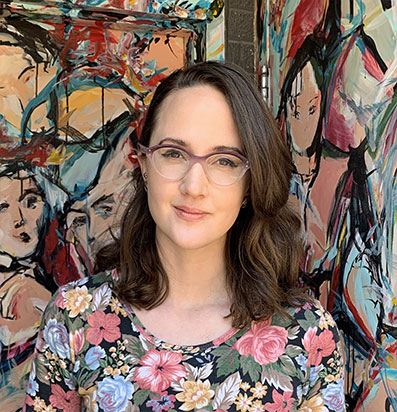
Cressida Frey
MSW, RSW (she/her) Registered Social WorkerAreas of focus:
- Children, Adolescents and Adults
- Violence, Trauma and Healing
- Stress and Anxiety

Derek Cassidy
MSW, RSW
(he/him/they/them)
Registered Social Worker
Areas of focus:
- Relationships and Attachment
- Complex, Relational Trauma
- Sexuality and Sexual Health
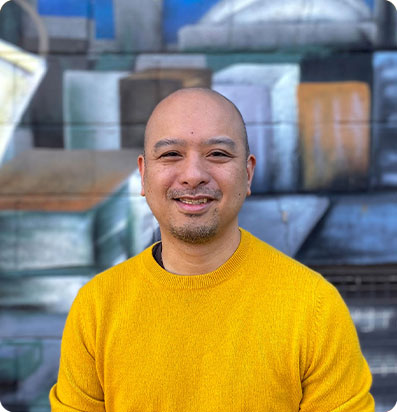
Jesmen Mendoza
C.Psych. (he/him) Adjunct PsychologistAreas of focus:
- Complex Mental Health
- Consultation

Jett Peters
MSW Candidate
(they/them)
Student Therapist
Areas of focus:
- Gender Identity
- Relationship(s) with Food & Body
- Trauma

Kathryn Bargis
MSc, RP (she/her) Registered PsychotherapistAreas of focus:
- Relationships
- Trauma
- Gender and Sexual Identity

Maxine Bower
MSW, RSW (she/her) Registered Social WorkerAreas of focus:
- Attachment in Individuals and in Relationships
- Complex Trauma
- Deepening Connections

Nicholas Sorg
MSc, RP
(he/him)
Registered Psychotherapist
Areas of focus:
- Stress, Anxiety, and Depression
- Sexual Identity Development
- Alternative Relationships, Relationship and Family Stress

Rae Griffin-Carlson
MSW, RSW
(she/her)
Registered Social Worker
Areas of focus:
- 2SLGBTQIA+ Youth & Adults
- Stress, Anxiety & Depression
- Sexual & Gender-based Violence

Rahim Thawer
MSW, RSW
(he/him)
External Clinical Supervisor
Areas of focus:
- Identity Conflict & Shame
- Dating, Relationships, Single by Chance/Choice
- Sexualized Substance Use

Saadia Khan
BA (they/them) Administrative and Social Media Assistant
Stephanie Wu
RP, Professional Art Therapist
(they/them)
Registered Psychotherapist
Areas of focus:
- Intimate Partner Violence, Sexual Assault & Childhood Abuse
- Impacts of Oppression
- 2SLGBTQIA+ Youth & Adults