
We Are a Network of Queer and Trans-identified Mental Health Professionals Who Serve the 2SLGBTQIA Community
LGBTQ mental health counseling in Puslinch connects people in this rural Wellington County community with specialized, affirming care designed for 2SLGBTQIA individuals and families. Umbrella Mental Health Network brings registered psychotherapists and social workers to Puslinch and the surrounding region, offering trauma-informed, anti-oppressive therapy grounded in feminist and social justice values. Puslinch is a quiet agricultural township between Guelph and Hamilton, where many LGBTQ+ residents travel considerable distances to access culturally competent mental health support. The community's rural character means that finding a therapist who understands both queer and trans experience-without judgment or pathologizing language-often requires looking beyond immediate local options. Umbrella serves Puslinch residents by bringing expertise in gender identity exploration, trauma recovery, and relationship counseling directly into the region, eliminating the barrier of traveling to larger urban centers for affirming care. Specialized counseling for LGBTQ+ clients goes far beyond general talk therapy. Because queer and trans people navigate systems designed without them in mind-healthcare, family structures, legal frameworks, workplaces-the mental health issues they face are shaped by those specific pressures. Umbrella's approach integrates this understanding into every session. The practice addresses a wide range of concerns: What distinguishes this work is the framework. Umbrella's therapists ground their practice in values of feminism, social justice, decolonization, and sex-positivity. This means they do not pathologize queerness, transness, or non-traditional relationship structures. It means they understand internalized oppression as a real psychological consequence, not a character flaw. It means they know how systems of power affect mental health and can help clients distinguish between individual struggles and systemic harm. Rural and semi-rural areas present distinct challenges for LGBTQ+ mental health. Puslinch residents may lack access to local therapists with relevant training or lived experience. General practitioners and counselors without LGBTQ+ specialization may use outdated language, ask invasive questions, or inadvertently pathologize identity. Traveling to Toronto or Hamilton for ongoing therapy is expensive, time-consuming, and not always feasible for those with caregiving responsibilities, limited mobility, or financial constraints. Beyond access, there is the question of safety and understanding. In smaller communities, confidentiality concerns loom larger. Someone seeking counseling may worry about encountering their therapist at the grocery store or having their presence in a therapist's office become community knowledge. Umbrella's presence in Puslinch and the surrounding region offers a middle ground: specialized care without requiring a major urban commute. Young people in Puslinch exploring gender or sexual identity may face particular isolation. Youth and young adult counseling at Umbrella creates space for identity exploration without the pressure to conform to heteronormative or cisnormative expectations. For queer couples in Puslinch-whether married, partnered, or navigating ENM arrangements-having access to a therapist who does not view alternative relationship structures as pathology is essential to genuine couples work. Trauma-informed care recognizes that many LGBTQ+ people carry trauma-from family rejection, bullying, assault, medical abuse, or simply the cumulative effect of living in a society that does not affirm their existence. A trauma-informed therapist does not retraumatize. They explain the process, ask consent before exploring difficult material, and understand that symptoms like hypervigilance or emotional dysregulation are adaptive responses, not disorders to be punished. Anti-oppressive practice means the therapist does not position themselves as the expert on the client's identity or lived experience. It means examining power dynamics in the therapeutic relationship itself. It means refusing to diagnose queerness, transness, or non-monogamy as pathology. It means understanding how racism, colonialism, ableism, classism, and other systems of oppression shape a person's mental health and cannot be separated from individual psychology. In concrete terms, this affects how therapy unfolds. A therapist at Umbrella will ask how you identify and use your language, not impose theirs. They will not assume family was harmful or that transition requires following a specific pathway. They will help you examine whether anxiety comes from your actual circumstances or from internalized messages about who you are allowed to be. They recognize that healing is not about fitting into a broken system-it is about building resilience, community, and the freedom to live authentically. For residents of Puslinch and the broader region seeking mental health support that honors their identity and experiences, Umbrella Mental Health Network offers the depth and specificity that general counseling cannot match. If you are ready to explore therapy with therapists who understand queer and trans experience from both training and values, reach out to learn more about how this practice can support your mental health journey. Yes. Umbrella Mental Health Network serves Puslinch and surrounding Wellington County and Greater Toronto Area communities with specialized LGBTQ+ counseling and psychotherapy. The practice brings registered psychotherapists and social workers to the region, offering trauma-informed, culturally affirming care without requiring clients to travel to major urban centers. Anti-oppressive therapy recognizes that mental health is shaped by systems of power-racism, homophobia, transphobia, ableism, colonialism, and others-and does not treat these as individual failings. Standard counseling may pathologize queer or trans identity or overlook systemic harm. Anti-oppressive practice centers the client's self-understanding, refuses to diagnose identity as disorder, and helps distinguish between internalized oppression and genuine individual struggles. Yes. Umbrella specializes in couples therapy and ethically non-monogamous (ENM) relationship counseling. The practice takes a sex-positive and kink-positive approach, meaning therapists do not pathologize consensual adult relationship arrangements. This makes it a genuine fit for queer couples, polyamorous partnerships, and others seeking affirmation rather than judgment.Lgbtq Mental Health Counseling Puslinch
What does specialized LGBTQ mental health counseling address?
Because LGBTQ+ people face structural barriers, discrimination, and often family or community rejection, mental health care must address both individual healing and the social contexts that shape distress.
Why might someone in Puslinch need this specific type of care?
How does trauma-informed, anti-oppressive practice shape the counseling relationship?
Frequently Asked Questions
Is there LGBTQ mental health counseling available near Puslinch?
What is anti-oppressive therapy and how is it different from standard counseling?
Does Umbrella offer counseling for couples and alternative relationship structures?

Acknowledgement
Tkaronto and the surrounding areas that we serve are within the Dish With One Spoon Territory. The Dish With One Spoon is a treaty between the Anishinaabe, Mississaugas and Haudenosaunee that bound them to share the territory and protect the land. Subsequent Indigenous Nations and Peoples, Europeans and all newcomers have been invited into this treaty in the spirit of peace, friendship and respect.
We at Umbrella recognize that the professions of psychology, psychotherapy, and social work have roots in colonial violence. As psychotherapists and social workers, we understand that we have a responsibility to continuously work to decolonize the practice of psychotherapy/social work and acknowledge the origins of the various healing practices we utilize.
Our therapists actively engage in regular training that emphasizes professional development, team support, and sharing the current knowledge in 2SLGBTQIA mental health, to ensure the highest level of care for our clients.
Meet Our Team

Christopher Shillington
MA, CCC, RP
(they/them)
Clinic Director/ Registered Psychotherapist
Areas of focus:
- Healthy Relationships
- Intersectional Identities
- Trauma & PTSD

Andrés Gayoso Descalzi
MSW,RSW
(he/him)
Registered Social Worker
Areas of focus:
- Gender Identity & Embodiment
- Life Changes & Transitions
- 2SLGBTQIA+ Youth & Families

Aysha Natsheh
MSW, RSW
Registered Social Worker
Areas of focus:
- Food, Body, Self-Image
- Trauma
- Gender & Sexual Identity

Bushra Ahmed
MSW, RSW
Registered Social Worker
Areas of focus:
- 2SLGBTQIA+ Youth
- Exploring Neurodivergent Identities
- Impact of Oppression & Trauma on Mental Health

Clara Doucette
MA, RP (Qualifying)
(she/her)
Registered Psychotherapist (Qualifying)
Areas of focus:
- Relational Styles & Attachment
- Friendships & Kinship
- Stress
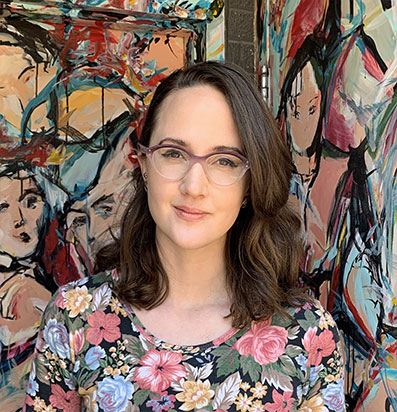
Cressida Frey
MSW, RSW (she/her) Registered Social WorkerAreas of focus:
- Children, Adolescents and Adults
- Violence, Trauma and Healing
- Stress and Anxiety

Derek Cassidy
MSW, RSW
(he/him/they/them)
Registered Social Worker
Areas of focus:
- Relationships and Attachment
- Complex, Relational Trauma
- Sexuality and Sexual Health
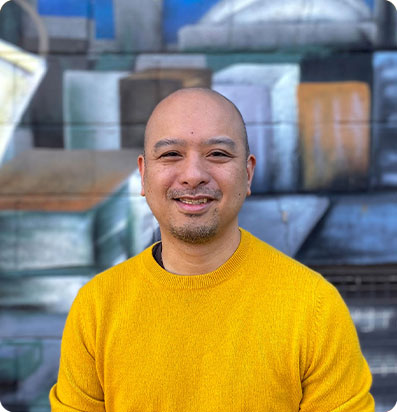
Jesmen Mendoza
C.Psych. (he/him) Adjunct PsychologistAreas of focus:
- Complex Mental Health
- Consultation

Jett Peters
MSW Candidate
(they/them)
Student Therapist
Areas of focus:
- Gender Identity
- Relationship(s) with Food & Body
- Trauma

Kathryn Bargis
MSc, RP (she/her) Registered PsychotherapistAreas of focus:
- Relationships
- Trauma
- Gender and Sexual Identity

Maxine Bower
MSW, RSW (she/her) Registered Social WorkerAreas of focus:
- Attachment in Individuals and in Relationships
- Complex Trauma
- Deepening Connections

Nicholas Sorg
MSc, RP
(he/him)
Registered Psychotherapist
Areas of focus:
- Stress, Anxiety, and Depression
- Sexual Identity Development
- Alternative Relationships, Relationship and Family Stress

Rae Griffin-Carlson
MSW, RSW
(she/her)
Registered Social Worker
Areas of focus:
- 2SLGBTQIA+ Youth & Adults
- Stress, Anxiety & Depression
- Sexual & Gender-based Violence

Rahim Thawer
MSW, RSW
(he/him)
External Clinical Supervisor
Areas of focus:
- Identity Conflict & Shame
- Dating, Relationships, Single by Chance/Choice
- Sexualized Substance Use

Saadia Khan
BA (they/them) Administrative and Social Media Assistant
Stephanie Wu
RP, Professional Art Therapist
(they/them)
Registered Psychotherapist
Areas of focus:
- Intimate Partner Violence, Sexual Assault & Childhood Abuse
- Impacts of Oppression
- 2SLGBTQIA+ Youth & Adults