
We Are a Network of Queer and Trans-identified Mental Health Professionals Who Serve the 2SLGBTQIA Community
Umbrella Mental Health Network provides LGBTQ mental health counseling in Mount Elgin and the surrounding Greater Toronto Area, delivering culturally competent psychotherapy grounded in trauma-informed practice and social justice values. Mount Elgin is a small community in Oxford County with a distinctive character-rural enough to offer quiet, but connected enough to the broader GTA to access specialized services. The people who live and work there deserve mental health care that understands their identities and experiences without compromise. For LGBTQ+ individuals in Mount Elgin seeking counseling, that has historically meant traveling significant distances or settling for generalist providers unfamiliar with queer and trans mental health. Umbrella closes that gap by bringing affirming, expert care directly to the region. A 28-year-old non-binary person living in Mount Elgin experienced significant anxiety around workplace disclosure and family acceptance. They had attempted therapy with a local counselor who, while well-intentioned, repeatedly misgendered them and framed gender identity exploration as a phase to be resolved rather than honored. After six sessions, they stopped attending. The experience reinforced a common barrier: rural and semi-rural communities often lack therapists trained in gender-affirming practice and queer-specific trauma recovery. The nearest specialized LGBTQ+ mental health services required commuting an hour or more, creating logistical and financial strain. This person's experience is not unusual. Many 2SLGBTQIA individuals in Mount Elgin and surrounding areas report difficulty finding therapists who combine clinical skill with genuine affirmation of sexual and gender diversity. The gap is particularly acute for people exploring gender identity, survivors of queer-specific trauma, and couples in non-traditional relationship structures. Umbrella Mental Health Network brought a registered psychotherapist experienced in gender identity work to work with this client. The clinician opened by affirming the client's pronouns and identity without question, and asked directly about past therapy experiences and what had not worked. This foundation-establishing safety and centering the client's expertise in their own life-is core to how Umbrella practices. The therapeutic work unfolded across three dimensions. First, the therapist provided psychoeducation on minority stress-the cumulative psychological burden of living in a society that marginalizes your identity-and helped the client recognize that anxiety was a rational response to real social pressures, not a personal failing. Second, they developed concrete strategies for workplace disclosure, grounded in the client's own risk assessment and values rather than a prescribed timeline. Third, they addressed family dynamics through a lens that honored both the client's need for acceptance and the realistic complexity of family conversations across generational and cultural difference. Umbrella's approach draws on feminist, decolonial, and sex-positive frameworks. This means the therapist does not pathologize the client's identity, does not center cisgender or heteronormative outcomes as health, and does not shy away from discussing sexuality, pleasure, and alternative relationship structures as healthy parts of human experience. For this client, it also meant recognizing that some of their family's difficulty was rooted in their own cultural background and generational trauma-not excusing harm, but contextualizing it so the client could make informed choices about family engagement without internalizing rejection as truth. Over eighteen months of monthly sessions, combined with periodic intensive work around specific life events, the client's anxiety decreased measurably. They disclosed their pronouns at work, received mixed but ultimately workable responses, and developed resilience around those who struggled with acceptance. Crucially, they stopped pathologizing their own gender identity and began articulating it with clarity and ease in daily life. The therapeutic relationship-one in which the client's identity was never questioned or treated as pathology-created the safety required for deeper work on family relationships and self-acceptance. The client reported that having a therapist who understood queer experience from the inside, rather than as intellectual knowledge alone, allowed them to focus on their actual presenting issues rather than spending session time educating the therapist or justifying their existence. Umbrella Mental Health Network extends this same standard of care across the full range of services they offer: individual psychotherapy for LGBTQ+ clients of all ages, couples therapy and ethical non-monogamy counseling, trauma and PTSD treatment grounded in understanding of queer-specific violence, and gender and sexual identity exploration for youth and adults. The practice serves Mount Elgin, Toronto, and communities across the Greater Toronto Area, bringing specialized, affirming mental health care to people who have long had to travel or compromise. If you are searching for mental health support that meets you where you are-that understands your identity, your relationships, and your right to healing-Umbrella Mental Health Network is ready to work with you. Reach out through their website to discuss what you are looking for and explore whether their services are a fit for your needs. Yes. Umbrella serves Mount Elgin and the broader Greater Toronto Area through remote and in-person sessions. Clients can connect with registered psychotherapists and social workers experienced in LGBTQ+ mental health care without traveling to downtown Toronto. Gender identity exploration is a collaborative process in which a therapist helps a client understand their own gender, free from pressure toward any particular outcome. Conversion therapy attempts to change someone's identity to align with cisgender or heteronormative norms. Umbrella practices affirming, exploratory therapy that centers the client's self-knowledge and autonomy. Yes. Umbrella provides couples therapy and ethical non-monogamy counseling for queer and polyamorous partners. The practice is sex-positive and does not require monogamy as a framework for relational health or commitment. Trauma-informed therapy recognizes how trauma shapes nervous system responses and sense of safety. Clinicians maintain transparency, offer choice and control to the client, and avoid practices that might re-traumatize. For LGBTQ+ clients, this includes understanding how discrimination and violence specific to their identities may have shaped their trust and self-perception. Anti-oppressive practice means the therapist actively examines how systems of power-racism, homophobia, transphobia, ableism, and others-shape individual experience. Rather than treating these as individual problems to overcome, the therapist helps clients recognize structural barriers and build resilience while validating that systemic oppression is real and not their fault. Yes. Umbrella offers youth and young adult counseling for those exploring gender and sexual identity. The practice provides affirming support without pushing any particular outcome, helping young people develop clarity about their own identity in their own time.Lgbtq Mental Health Counseling Mount Elgin
The Challenge: Finding Affirming Care in a Rural Area
Culturally competent mental health care is not a luxury-it is foundational to healing. A therapist who understands the lived reality of LGBTQ+ people, the structural barriers they face, and the strength required to navigate them, accelerates recovery and deepens trust.
The Approach: Trauma-Informed, Anti-Oppressive Therapy
The Outcome: Grounded Identity and Sustained Progress
Frequently Asked Questions
Does Umbrella Mental Health Network serve clients in Mount Elgin?
What is the difference between gender identity exploration and conversion therapy?
Do you work with couples in non-monogamous relationships?
How does trauma-informed therapy differ from standard counseling?
What does anti-oppressive practice mean in counseling?
Does Umbrella work with youth exploring gender identity?

Acknowledgement
Tkaronto and the surrounding areas that we serve are within the Dish With One Spoon Territory. The Dish With One Spoon is a treaty between the Anishinaabe, Mississaugas and Haudenosaunee that bound them to share the territory and protect the land. Subsequent Indigenous Nations and Peoples, Europeans and all newcomers have been invited into this treaty in the spirit of peace, friendship and respect.
We at Umbrella recognize that the professions of psychology, psychotherapy, and social work have roots in colonial violence. As psychotherapists and social workers, we understand that we have a responsibility to continuously work to decolonize the practice of psychotherapy/social work and acknowledge the origins of the various healing practices we utilize.
Our therapists actively engage in regular training that emphasizes professional development, team support, and sharing the current knowledge in 2SLGBTQIA mental health, to ensure the highest level of care for our clients.
Meet Our Team

Christopher Shillington
MA, CCC, RP
(they/them)
Clinic Director/ Registered Psychotherapist
Areas of focus:
- Healthy Relationships
- Intersectional Identities
- Trauma & PTSD

Andrés Gayoso Descalzi
MSW,RSW
(he/him)
Registered Social Worker
Areas of focus:
- Gender Identity & Embodiment
- Life Changes & Transitions
- 2SLGBTQIA+ Youth & Families

Aysha Natsheh
MSW, RSW
Registered Social Worker
Areas of focus:
- Food, Body, Self-Image
- Trauma
- Gender & Sexual Identity

Bushra Ahmed
MSW, RSW
Registered Social Worker
Areas of focus:
- 2SLGBTQIA+ Youth
- Exploring Neurodivergent Identities
- Impact of Oppression & Trauma on Mental Health

Clara Doucette
MA, RP (Qualifying)
(she/her)
Registered Psychotherapist (Qualifying)
Areas of focus:
- Relational Styles & Attachment
- Friendships & Kinship
- Stress
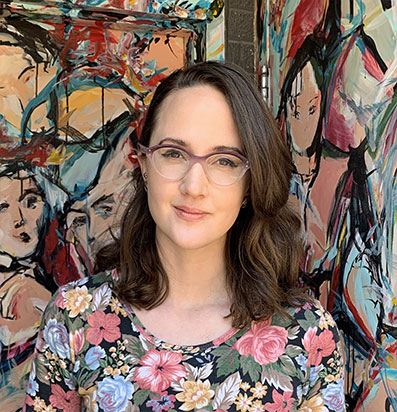
Cressida Frey
MSW, RSW (she/her) Registered Social WorkerAreas of focus:
- Children, Adolescents and Adults
- Violence, Trauma and Healing
- Stress and Anxiety

Derek Cassidy
MSW, RSW
(he/him/they/them)
Registered Social Worker
Areas of focus:
- Relationships and Attachment
- Complex, Relational Trauma
- Sexuality and Sexual Health
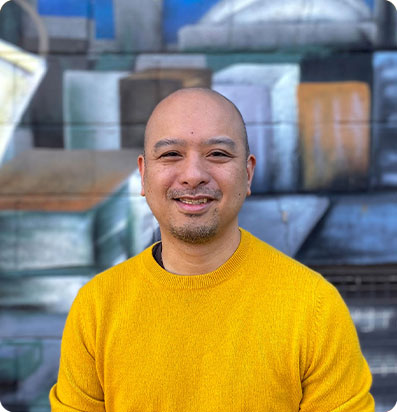
Jesmen Mendoza
C.Psych. (he/him) Adjunct PsychologistAreas of focus:
- Complex Mental Health
- Consultation

Jett Peters
MSW Candidate
(they/them)
Student Therapist
Areas of focus:
- Gender Identity
- Relationship(s) with Food & Body
- Trauma

Kathryn Bargis
MSc, RP (she/her) Registered PsychotherapistAreas of focus:
- Relationships
- Trauma
- Gender and Sexual Identity

Maxine Bower
MSW, RSW (she/her) Registered Social WorkerAreas of focus:
- Attachment in Individuals and in Relationships
- Complex Trauma
- Deepening Connections

Nicholas Sorg
MSc, RP
(he/him)
Registered Psychotherapist
Areas of focus:
- Stress, Anxiety, and Depression
- Sexual Identity Development
- Alternative Relationships, Relationship and Family Stress

Rae Griffin-Carlson
MSW, RSW
(she/her)
Registered Social Worker
Areas of focus:
- 2SLGBTQIA+ Youth & Adults
- Stress, Anxiety & Depression
- Sexual & Gender-based Violence

Rahim Thawer
MSW, RSW
(he/him)
External Clinical Supervisor
Areas of focus:
- Identity Conflict & Shame
- Dating, Relationships, Single by Chance/Choice
- Sexualized Substance Use

Saadia Khan
BA (they/them) Administrative and Social Media Assistant
Stephanie Wu
RP, Professional Art Therapist
(they/them)
Registered Psychotherapist
Areas of focus:
- Intimate Partner Violence, Sexual Assault & Childhood Abuse
- Impacts of Oppression
- 2SLGBTQIA+ Youth & Adults