
We Are a Network of Queer and Trans-identified Mental Health Professionals Who Serve the 2SLGBTQIA Community
Culturally affirming mental health support for LGBTQ+ individuals requires therapists who understand the specific challenges of queer and trans life, combined with clinical expertise in trauma, identity, and relational health. Umbrella Mental Health Network provides this calibre of LGBTQ Mental Health Counseling Windham Centre, serving the 2SLGBTQIA community throughout the Greater Toronto Area with registered psychotherapists and social workers trained in trauma-informed, anti-oppressive care. Windham Centre is a residential community in the greater GTA, home to diverse families, young professionals, and established residents seeking accessible mental health services without the bureaucracy of institutional settings. Many people in Windham Centre face barriers to mental health care: systemic discrimination within mainstream services, lack of understanding about gender identity or non-traditional relationships, unprocessed trauma from medical or religious contexts, or simply the difficulty of finding a therapist who gets it. Umbrella addresses these gaps directly. Trauma-informed care means understanding that many LGBTQ+ individuals carry complex trauma from family rejection, medical gatekeeping, discrimination, or sexual violence-and that healing requires therapists who recognize these patterns without retraumatizing. Umbrella's approach integrates three core methodologies. First, somatic awareness: therapists work with how trauma lives in the body, not only in narrative or thought patterns. Second, autonomy and choice: you set the pace and content of sessions; the therapist does not impose a predetermined pathway. Third, cultural humility: therapists at Umbrella center your lived experience as expert knowledge about your own identity and needs. This matters concretely in Windham Centre, where clients may have experienced dismissal from previous providers or feel unsafe disclosing their full identity. A therapist working from this framework will not ask you to prove your gender identity, will not frame your sexual orientation as something to work through, and will not treat your relationship structure as pathological. Instead, the work focuses on what you actually came for: processing specific trauma, building relational skills, exploring identity questions, or managing anxiety and depression in a life that makes sense to you. Umbrella's registered psychotherapists and social workers hold qualifications including the Registered Psychotherapist (RP) credential in Ontario, which requires 200 hours of direct client contact, 40 hours of clinical supervision, and continuing education. This training, combined with specific expertise in queer and trans mental health, trauma recovery, and feminist therapy approaches, creates the technical foundation for this work. The therapist you meet has not simply added "LGBTQ-friendly" to their practice; they have structured their training and ongoing practice around liberation-centered care. Umbrella offers five core service areas designed for the specific needs of LGBTQ+ life. Individual psychotherapy addresses depression, anxiety, complex trauma, and the intersection of these with identity development. Couples therapy and ethical non-monogamy (ENM) counselling serve partners navigating relationship dynamics, communication patterns, and alternative relationship structures-a service most mainstream therapists are not trained to provide. Gender and sexual identity exploration offers space to process questions about transition, coming out, or evolving understanding of sexuality without pressure to reach a predetermined conclusion. Trauma and PTSD treatment draws on evidence-based modalities adapted for the specific ways trauma manifests in queer and trans bodies. Youth and young adult counselling recognizes that adolescence and early adulthood involve distinct developmental tasks-identity formation, peer relationships, family dynamics-compounded by living as LGBTQ+ in a largely heteronormative world. Clients in Windham Centre can access any of these services with therapists who understand both the clinical requirements and the lived reality of queer and trans experience. ENM counselling deserves particular mention because it reflects Umbrella's commitment to sex and kink positivity. Rather than treating non-traditional relationship structures as inherently pathological, therapists support couples in building communication practices, establishing boundaries, and processing emotions in ways that honor the relationship structure they have chosen. This is clinical work grounded in respect for diverse ways of loving and relating. Anti-oppressive therapy means actively working against systems of domination-racism, transphobia, homophobia, ableism, classism-rather than treating them as background context. At Umbrella, this translates to concrete practices. Therapists examine their own internalized oppression and biases through regular supervision and continuing education. Sessions center your analysis of systemic forces affecting your mental health, not only individual psychology. Clinical formulation accounts for how discrimination, medical trauma, and social marginalization shape your symptoms and strengths. Feminist values emphasize power analysis, collective liberation, and the political dimensions of healing. This means your therapist will not ask you to simply adapt to oppressive systems; instead, you will develop understanding of how those systems operate while building agency and resilience. For someone in Windham Centre navigating family pressure about coming out, medical transition, or choosing a non-traditional family structure, this approach validates that your struggle is not a personal failure but a rational response to real constraints-and that your choices can be both strategic and authentic. Decolonization is embedded in Umbrella's framework, recognizing that mental health systems themselves carry colonial and white supremacist assumptions about normalcy, family, spirituality, and healing. Therapists work to center Indigenous wisdom, challenge Western psychological assumptions, and honor diverse cultural frameworks for understanding wellbeing. For 2SLGBTQIA clients in particular, this means space to reclaim identity concepts and healing practices rooted in Indigenous traditions, not only settler approaches. If you are living in Windham Centre and seeking mental health support that actually understands your experience as an LGBTQ+ person, that treats trauma with clinical precision and relational warmth, and that grounds care in justice rather than pathology, Umbrella Mental Health Network is equipped to work with you. Reach out to discuss what you are looking for and whether this approach resonates with your needs. A Registered Psychotherapist (RP) in Ontario holds a regulated credential requiring 200+ hours of direct client contact, 40+ hours of clinical supervision, and completion of an accredited psychotherapy training program. This means accountability to professional standards, ongoing education, and legal responsibility for the quality of care. Counselors and life coaches operate outside this regulatory framework and typically have less formalized clinical training. Umbrella's therapists are RPs or registered social workers, meaning you are working with someone trained in clinical assessment, trauma treatment, and psychotherapeutic methodology. Yes. Umbrella Mental Health Network offers couples therapy and ethical non-monogamy (ENM) counselling designed specifically for people navigating non-traditional relationship structures. Most mainstream therapists lack training in this area and may default to heteronormative or monogamous assumptions. Umbrella therapists have expertise in supporting partners through communication, boundary-setting, and emotional processing within the framework they have chosen. Trauma-informed care recognizes that many clients carry unprocessed trauma and structures sessions to avoid retraumatization. This means you control the pace and content of disclosure, the therapist explains what they are doing and why, and you maintain agency throughout. Standard therapy may not hold these intentional safeguards, particularly important for LGBTQ+ individuals who have often experienced medical, familial, or systemic trauma. Yes. Umbrella offers gender and sexual identity exploration as an open-ended process with no predetermined conclusion. Sessions create space to process questions, examine internalized messages, and clarify your own sense of identity at your own pace. Therapists do not pathologize exploration or push you toward any particular identity outcome. Anti-oppressive therapy means your therapist actively examines how systems of oppression (racism, transphobia, homophobia, ableism, classism) affect your mental health and wellbeing. Rather than treating symptoms as purely individual, you and your therapist analyze systemic forces, build understanding of power dynamics, and develop strategies that honor both your agency and the real constraints you face. It is therapy that validates your experiences as rational responses to real discrimination, not personal failings.Lgbtq Mental Health Counseling Windham Centre
What Trauma-Informed LGBTQ Mental Health Counseling in Windham Centre Looks Like
Specialized Services: From Couples Therapy to Identity Exploration
Anti-Oppressive Practice and Feminist Values in Action
Frequently Asked Questions
What is the difference between a registered psychotherapist and a counselor or life coach?
Is there LGBTQ Mental Health Counseling Windham Centre that specializes in non-monogamy and alternative relationships?
How does trauma-informed care differ from standard therapy?
Can I access gender identity exploration without committing to a specific outcome?
What does anti-oppressive therapy actually mean in practice during a session?

Acknowledgement
Tkaronto and the surrounding areas that we serve are within the Dish With One Spoon Territory. The Dish With One Spoon is a treaty between the Anishinaabe, Mississaugas and Haudenosaunee that bound them to share the territory and protect the land. Subsequent Indigenous Nations and Peoples, Europeans and all newcomers have been invited into this treaty in the spirit of peace, friendship and respect.
We at Umbrella recognize that the professions of psychology, psychotherapy, and social work have roots in colonial violence. As psychotherapists and social workers, we understand that we have a responsibility to continuously work to decolonize the practice of psychotherapy/social work and acknowledge the origins of the various healing practices we utilize.
Our therapists actively engage in regular training that emphasizes professional development, team support, and sharing the current knowledge in 2SLGBTQIA mental health, to ensure the highest level of care for our clients.
Meet Our Team

Christopher Shillington
MA, CCC, RP
(they/them)
Clinic Director/ Registered Psychotherapist
Areas of focus:
- Healthy Relationships
- Intersectional Identities
- Trauma & PTSD

Andrés Gayoso Descalzi
MSW,RSW
(he/him)
Registered Social Worker
Areas of focus:
- Gender Identity & Embodiment
- Life Changes & Transitions
- 2SLGBTQIA+ Youth & Families

Aysha Natsheh
MSW, RSW
Registered Social Worker
Areas of focus:
- Food, Body, Self-Image
- Trauma
- Gender & Sexual Identity

Bushra Ahmed
MSW, RSW
Registered Social Worker
Areas of focus:
- 2SLGBTQIA+ Youth
- Exploring Neurodivergent Identities
- Impact of Oppression & Trauma on Mental Health

Clara Doucette
MA, RP (Qualifying)
(she/her)
Registered Psychotherapist (Qualifying)
Areas of focus:
- Relational Styles & Attachment
- Friendships & Kinship
- Stress
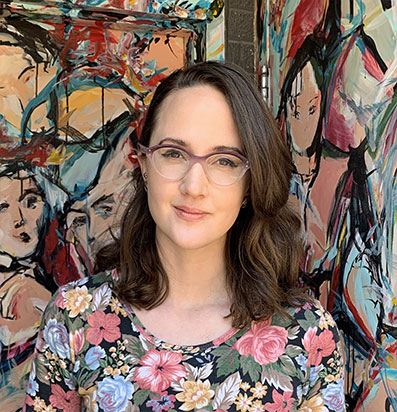
Cressida Frey
MSW, RSW (she/her) Registered Social WorkerAreas of focus:
- Children, Adolescents and Adults
- Violence, Trauma and Healing
- Stress and Anxiety

Derek Cassidy
MSW, RSW
(he/him/they/them)
Registered Social Worker
Areas of focus:
- Relationships and Attachment
- Complex, Relational Trauma
- Sexuality and Sexual Health
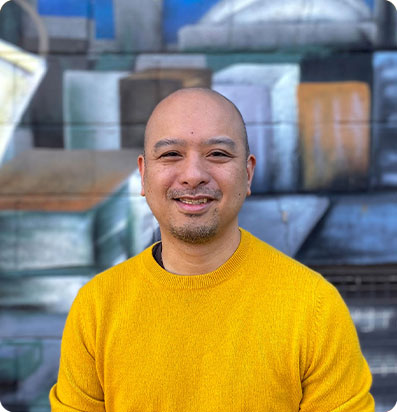
Jesmen Mendoza
C.Psych. (he/him) Adjunct PsychologistAreas of focus:
- Complex Mental Health
- Consultation

Jett Peters
MSW Candidate
(they/them)
Student Therapist
Areas of focus:
- Gender Identity
- Relationship(s) with Food & Body
- Trauma

Kathryn Bargis
MSc, RP (she/her) Registered PsychotherapistAreas of focus:
- Relationships
- Trauma
- Gender and Sexual Identity

Maxine Bower
MSW, RSW (she/her) Registered Social WorkerAreas of focus:
- Attachment in Individuals and in Relationships
- Complex Trauma
- Deepening Connections

Nicholas Sorg
MSc, RP
(he/him)
Registered Psychotherapist
Areas of focus:
- Stress, Anxiety, and Depression
- Sexual Identity Development
- Alternative Relationships, Relationship and Family Stress

Rae Griffin-Carlson
MSW, RSW
(she/her)
Registered Social Worker
Areas of focus:
- 2SLGBTQIA+ Youth & Adults
- Stress, Anxiety & Depression
- Sexual & Gender-based Violence

Rahim Thawer
MSW, RSW
(he/him)
External Clinical Supervisor
Areas of focus:
- Identity Conflict & Shame
- Dating, Relationships, Single by Chance/Choice
- Sexualized Substance Use

Saadia Khan
BA (they/them) Administrative and Social Media Assistant
Stephanie Wu
RP, Professional Art Therapist
(they/them)
Registered Psychotherapist
Areas of focus:
- Intimate Partner Violence, Sexual Assault & Childhood Abuse
- Impacts of Oppression
- 2SLGBTQIA+ Youth & Adults