
We Are a Network of Queer and Trans-identified Mental Health Professionals Who Serve the 2SLGBTQIA Community
LGBTQ Mental Health Counseling West Flamborough serves people in this rural community who need mental health support from therapists who understand queer and trans experience, trauma, and the specific pressures that LGBTQ+ individuals face. Umbrella Mental Health Network provides this specialized counseling through registered psychotherapists and social workers trained in trauma-informed, anti-oppressive care. West Flamborough is a quiet agricultural area in rural Hamilton, Ontario, with a small population spread across farmland and conservation areas. For LGBTQ+ residents here, finding affirming mental health care can mean traveling into the city or settling for practitioners without specialized knowledge of queer identity, trauma recovery, or the intersecting pressures of rural queer life. Umbrella brings this expertise directly to West Flamborough and the surrounding Greater Toronto Area through both in-person and virtual sessions, so you do not have to choose between isolation and distance. Rural LGBTQ+ individuals often face distinct mental health pressures that differ from urban experience. Limited local community, reduced anonymity, geographic distance from affirming social networks, and sometimes closer-knit conservative social environments create specific stressors. Umbrella's therapists work with these realities directly, not as exceptions. They address coming out decisions in small communities, family dynamics where acceptance is complicated by rural social ties, and the cumulative impact of isolation or internalized shame that can intensify in places where LGBTQ+ visibility is lower. Individual psychotherapy with Umbrella focuses on what matters to you: anxiety or depression rooted in identity, trauma recovery from past rejection or harm, gender identity exploration without pressure toward a preset outcome, and building resilience within actual community constraints rather than theoretical ones. The therapists practice sex-positive and kink-positive care, meaning sexual identity and expression are treated as ordinary parts of human experience worthy of exploration, not pathology. For West Flamborough residents and others in rural areas of the GTA, virtual sessions make consistent, specialized care possible without the cost and time of weekly travel. In-person sessions are also available for those who prefer them. Trauma-informed care assumes that psychological distress often has roots in harmful experience, and that how therapy is delivered matters as much as what is discussed. Standard counseling may miss trauma entirely or retraumatize clients through insensitive practice. Umbrella's approach rests on understanding that many LGBTQ+ people carry trauma from rejection, conversion attempts, sexual violence, discrimination, or systemic erasure, and that recovery requires safety, choice, and pacing controlled by the client. This means your therapist does not assume your symptoms are inherent or character flaws; they explore what you have survived and how your mind and body have protected you. You set the pace of disclosure. Your boundaries are honored, not overridden. Because this approach centers your agency and safety, healing happens without retraumatization, and you build skills that apply beyond the therapy room. For West Flamborough residents navigating rural life while processing trauma, trauma-informed therapy also acknowledges the particular challenge of healing in small communities where encounters with people connected to past harm are harder to avoid. Your therapist helps you manage this reality while recovering your sense of safety and worth. LGBTQ+ individuals often need support that standard couples or family work does not provide. Umbrella offers couples therapy and counseling for ethical non-monogamy (ENM) and alternative relationship structures, grounded in the understanding that queer relationships may not follow heteronormative patterns and that this is not a problem to solve. They also support youth and young adults exploring gender and sexual identity, with care designed for people still in the process of understanding themselves, not people seeking validation of a conclusion they have already reached. For queer families-including those formed through adoption, surrogacy, co-parenting, or blended structures-Umbrella provides counseling that treats your family as legitimate and whole. Gender identity exploration is supported without pressure toward transition or against it; the work centers your authentic self-knowledge, not external expectations. Because Umbrella's therapists are grounded in values of feminism, decolonization, and social justice, they bring awareness of how systems of power affect mental health. A West Flamborough resident working through identity in a rural context benefits from a therapist who understands how geography, class, and proximity to power intersect with queer experience. Anti-oppressive counseling means your therapist does not treat your identity-your queerness, your transness, your non-monogamy, your sexual interests, your race, your class position, or your disability-as something that needs to be managed or corrected. Instead, it is understood as context that shapes your experience and informs your healing. Your therapist actively works to avoid perpetuating the systems that have harmed you. For West Flamborough residents, this means you are not asked to fit into a therapeutic model designed for a different population. Your therapist understands rural queer life not as a niche case but as a legitimate context requiring specific attention. Healing happens through your lens, not in spite of it. If you are an LGBTQ+ individual or family in West Flamborough or elsewhere in the Greater Toronto Area seeking counseling rooted in your actual experience, Umbrella Mental Health Network is ready to work with you. Contact them to discuss what you are navigating and explore how they can help. Umbrella Mental Health Network serves West Flamborough through both in-person and virtual sessions, so you do not have to travel. Virtual therapy offers continuity and confidentiality without the cost and time of weekly drives to the city. In-person appointments are available for those who prefer them. Trauma-informed therapy assumes distress often has roots in harmful experience and emphasizes safety, pacing, and client choice throughout treatment. It avoids retraumatization and builds healing through your agency. Regular counseling may miss trauma or inadvertently cause harm by moving too quickly or ignoring context. Yes. Umbrella provides couples therapy and counseling for ethical non-monogamy and alternative relationship structures. Care is grounded in the understanding that queer relationships are valid as structured, without pathologizing non-monogamy or divergence from heteronormative patterns. Anti-oppressive practice treats your identity as context shaping healing, not as a problem. Your therapist actively works to avoid perpetuating the systems that have harmed you, centers your expertise in your own life, and delivers care that affirms who you are. Yes. Umbrella supports gender and sexual identity exploration without pressure. The work centers your authentic self-knowledge and pacing, not external expectations or conclusions predetermined by the therapist. Rural LGBTQ+ individuals often face limited local community, reduced anonymity, geographic distance from affirming networks, and sometimes conservative social environments. Umbrella's therapists address these specific pressures directly, including coming out in small communities and managing isolation. Yes. Umbrella provides counseling for youth and young adults exploring gender and sexual identity, with care designed for people still in process of understanding themselves, not seeking validation of a predetermined conclusion.Lgbtq Mental Health Counseling West Flamborough
What does LGBTQ+ counseling in a rural setting actually address?
How does trauma-informed care differ from standard counseling?
Who else does Umbrella serve beyond individual clients?
What does anti-oppressive practice mean in real terms?
Approach Standard Counseling Anti-Oppressive Practice Therapist stance toward identity Neutral or pathologizing; identity treated as separate from presenting problem Identity affirmed; understood as context shaping all experience and recovery Power dynamics in therapy Therapist as expert; client follows recommendations Collaborative; client expertise in their own life is centered; therapist brings skill and knowledge Cultural knowledge required General mental health training; cultural competence assumed Deep, specific knowledge of 2SLGBTQIA experience, trauma patterns, and community realities Scope of healing Symptom reduction; individual adjustment Symptom reduction plus reclaiming dignity, rebuilding self-worth, understanding systemic impact Frequently Asked Questions
Is there LGBTQ+ therapy available in West Flamborough, or do I have to travel to Hamilton or Toronto?
What is the difference between trauma-informed therapy and regular counseling?
Does Umbrella offer therapy for couples and non-traditional relationships?
What does anti-oppressive practice mean, and how does it affect my therapy?
Can I explore my gender identity without being pushed toward a particular outcome?
How does rural LGBTQ+ life create different mental health challenges?
Does Umbrella work with LGBTQ+ youth exploring their identity?

Acknowledgement
Tkaronto and the surrounding areas that we serve are within the Dish With One Spoon Territory. The Dish With One Spoon is a treaty between the Anishinaabe, Mississaugas and Haudenosaunee that bound them to share the territory and protect the land. Subsequent Indigenous Nations and Peoples, Europeans and all newcomers have been invited into this treaty in the spirit of peace, friendship and respect.
We at Umbrella recognize that the professions of psychology, psychotherapy, and social work have roots in colonial violence. As psychotherapists and social workers, we understand that we have a responsibility to continuously work to decolonize the practice of psychotherapy/social work and acknowledge the origins of the various healing practices we utilize.
Our therapists actively engage in regular training that emphasizes professional development, team support, and sharing the current knowledge in 2SLGBTQIA mental health, to ensure the highest level of care for our clients.
Meet Our Team

Christopher Shillington
MA, CCC, RP
(they/them)
Clinic Director/ Registered Psychotherapist
Areas of focus:
- Healthy Relationships
- Intersectional Identities
- Trauma & PTSD

Andrés Gayoso Descalzi
MSW,RSW
(he/him)
Registered Social Worker
Areas of focus:
- Gender Identity & Embodiment
- Life Changes & Transitions
- 2SLGBTQIA+ Youth & Families

Aysha Natsheh
MSW, RSW
Registered Social Worker
Areas of focus:
- Food, Body, Self-Image
- Trauma
- Gender & Sexual Identity

Bushra Ahmed
MSW, RSW
Registered Social Worker
Areas of focus:
- 2SLGBTQIA+ Youth
- Exploring Neurodivergent Identities
- Impact of Oppression & Trauma on Mental Health

Clara Doucette
MA, RP (Qualifying)
(she/her)
Registered Psychotherapist (Qualifying)
Areas of focus:
- Relational Styles & Attachment
- Friendships & Kinship
- Stress
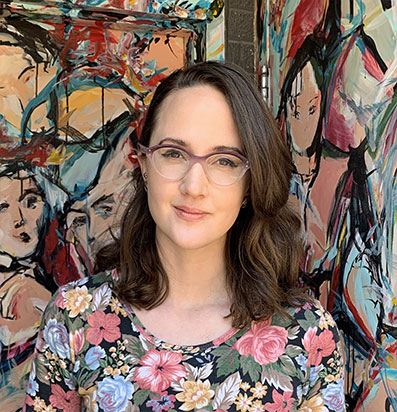
Cressida Frey
MSW, RSW (she/her) Registered Social WorkerAreas of focus:
- Children, Adolescents and Adults
- Violence, Trauma and Healing
- Stress and Anxiety

Derek Cassidy
MSW, RSW
(he/him/they/them)
Registered Social Worker
Areas of focus:
- Relationships and Attachment
- Complex, Relational Trauma
- Sexuality and Sexual Health
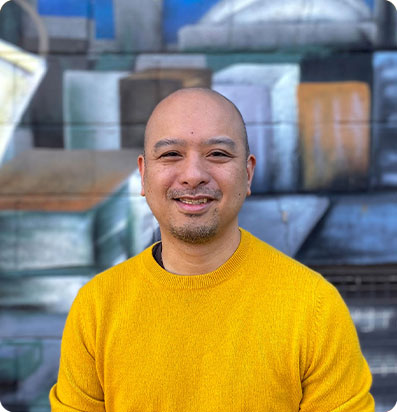
Jesmen Mendoza
C.Psych. (he/him) Adjunct PsychologistAreas of focus:
- Complex Mental Health
- Consultation

Jett Peters
MSW Candidate
(they/them)
Student Therapist
Areas of focus:
- Gender Identity
- Relationship(s) with Food & Body
- Trauma

Kathryn Bargis
MSc, RP (she/her) Registered PsychotherapistAreas of focus:
- Relationships
- Trauma
- Gender and Sexual Identity

Maxine Bower
MSW, RSW (she/her) Registered Social WorkerAreas of focus:
- Attachment in Individuals and in Relationships
- Complex Trauma
- Deepening Connections

Nicholas Sorg
MSc, RP
(he/him)
Registered Psychotherapist
Areas of focus:
- Stress, Anxiety, and Depression
- Sexual Identity Development
- Alternative Relationships, Relationship and Family Stress

Rae Griffin-Carlson
MSW, RSW
(she/her)
Registered Social Worker
Areas of focus:
- 2SLGBTQIA+ Youth & Adults
- Stress, Anxiety & Depression
- Sexual & Gender-based Violence

Rahim Thawer
MSW, RSW
(he/him)
External Clinical Supervisor
Areas of focus:
- Identity Conflict & Shame
- Dating, Relationships, Single by Chance/Choice
- Sexualized Substance Use

Saadia Khan
BA (they/them) Administrative and Social Media Assistant
Stephanie Wu
RP, Professional Art Therapist
(they/them)
Registered Psychotherapist
Areas of focus:
- Intimate Partner Violence, Sexual Assault & Childhood Abuse
- Impacts of Oppression
- 2SLGBTQIA+ Youth & Adults