
We Are a Network of Queer and Trans-identified Mental Health Professionals Who Serve the 2SLGBTQIA Community
Finding mental health support that actually understands your identity can feel impossible. You sit in a waiting room wondering if the therapist will use your pronouns, or whether you'll need to spend the first session explaining what being queer means. LGBTQ mental health counseling in Waterloo through Umbrella Mental Health Network changes that dynamic entirely by centering your lived experience from the very first conversation. Waterloo is home to a thoughtful, diverse population including students, young professionals, and established families-many of whom are navigating their identities, relationships, and healing while managing the particular pressures of living in a mid-sized Ontario city. Whether you're exploring your gender identity, recovering from trauma, working through relationship challenges, or simply need a space where you don't have to justify who you are, this guide walks you through accessing culturally competent care designed specifically for 2SLGBTQIA individuals and families. You don't need to be in crisis to benefit from therapy. Many people in Waterloo seek out this service because they're exhausted from managing their identity in an unsupportive environment, because they're questioning aspects of themselves they've never had language for, or because past trauma is quietly running their present relationships. Umbrella Mental Health Network works with people at every point along this spectrum. Take a moment to notice what brought you here. Are you experiencing anxiety that intensifies around your identity? Are you navigating a major transition-coming out, gender affirmation, leaving a relationship, or starting a chosen family? Are you healing from specific trauma rooted in your queerness or transness? Are you and a partner struggling to communicate, particularly around non-traditional relationship structures? Each of these is a legitimate reason to reach out. The therapists at Umbrella practice trauma-informed care grounded in social justice values, which means they understand that distress often has roots in oppression and marginalization, not personal failure. Umbrella Mental Health Network offers several specialized approaches depending on what you're working through. Understanding which service aligns with your situation helps you communicate clearly when you make contact. "Because queer and trans people often internalize messages that our identities are wrong or broken, therapy rooted in affirmation and social justice doesn't just treat symptoms-it shifts the entire foundation of how you see yourself." When you contact Umbrella, be honest about what's on your mind. You might say, "I'm exploring my gender identity and I've never talked to anyone about this," or "My partner and I are struggling and we need help built on understanding queer relationships," or simply "I've been through a lot and I need someone who gets it." The team will help you clarify which service is the right starting place. Contact Umbrella Mental Health Network through their website at umhn.ca. The intake process is designed to be accessible and straightforward. You'll share some basic information about yourself, what brought you in, and any specific needs or preferences you have. If you're in Waterloo and seeking this service, mention that clearly-Umbrella serves the Greater Toronto Area including Waterloo, and understanding your location helps them connect you with the right therapist. Be prepared to discuss what matters to you in a therapeutic relationship. Are there specific aspects of your identity you want the therapist to have direct experience with? Do you have particular trauma that requires specialized training? Are you looking for someone with expertise in specific areas like gender affirmation, kink-positivity, or family planning for LGBTQ+ couples? Umbrella's team includes registered psychotherapists and social workers with deep expertise across these domains, and matching you thoughtfully is part of the process. If you're uncertain about any part of the intake, ask questions. There's no such thing as a wrong question when you're deciding whether to trust someone with your mental health and your identity. The clarity you bring to this conversation shapes the entire therapeutic relationship. When you're ready to take the next step, Umbrella Mental Health Network welcomes your contact. You can reach them through their website to begin exploring how therapy can support your healing and growth. Whether you're in Waterloo itself or elsewhere in the Greater Toronto Area, the door is open to you. Affirming therapy is built on the foundation that your identity is not the problem-it's valid and worthy of celebration. Rather than pathologizing queerness or transness, therapists at Umbrella work from a social justice lens that recognizes how oppression and marginalization create psychological distress. This means your therapist understands the difference between identity-based challenges and externally imposed harm, and they work accordingly. Umbrella Mental Health Network serves the Greater Toronto Area including Waterloo, so you can access this service locally without needing to travel into Toronto. Whether you prefer in-person sessions in your community or virtual appointments, Umbrella works with people throughout the region to provide culturally competent, affirming care. Identity exploration is one of Umbrella's core areas of focus, and the approach is completely non-directive and non-judgmental. You're supported in discovering what feels true for you on your own timeline, without pressure toward any particular outcome. Many people come to therapy uncertain about who they are, and that uncertainty is exactly where the work begins. Yes. Umbrella specializes in couples therapy and ENM counselling grounded in understanding that queer relationships often exist outside conventional frameworks. Therapists here are sex-positive and kink-aware, bringing expertise to the particular dynamics and communication needs that non-traditional relationships require. Your first session is largely about building trust and understanding your story. You'll share what brought you in, what you're hoping to work on, and what matters to you in a therapeutic relationship. Your therapist will explain how they work and answer any questions you have. It's as much about you assessing whether this is the right fit as it is about them learning about you.Lgbtq Mental Health Counseling Waterloo
Step 1: Recognize When Professional Support Serves You
Step 2: Identify the Right Type of Therapy for Your Needs
Step 3: Reach Out and Begin the Intake Process
Frequently Asked Questions
What makes LGBTQ-affirming therapy different from regular counseling?
Is there LGBTQ mental health counseling available specifically in Waterloo, or do I need to travel to Toronto?
What if I'm not sure about my identity yet and I'm worried a therapist will judge me?
Do you work with couples in non-traditional relationships or ethical non-monogamy?
What should I expect during my first session?

Acknowledgement
Tkaronto and the surrounding areas that we serve are within the Dish With One Spoon Territory. The Dish With One Spoon is a treaty between the Anishinaabe, Mississaugas and Haudenosaunee that bound them to share the territory and protect the land. Subsequent Indigenous Nations and Peoples, Europeans and all newcomers have been invited into this treaty in the spirit of peace, friendship and respect.
We at Umbrella recognize that the professions of psychology, psychotherapy, and social work have roots in colonial violence. As psychotherapists and social workers, we understand that we have a responsibility to continuously work to decolonize the practice of psychotherapy/social work and acknowledge the origins of the various healing practices we utilize.
Our therapists actively engage in regular training that emphasizes professional development, team support, and sharing the current knowledge in 2SLGBTQIA mental health, to ensure the highest level of care for our clients.
Meet Our Team

Christopher Shillington
MA, CCC, RP
(they/them)
Clinic Director/ Registered Psychotherapist
Areas of focus:
- Healthy Relationships
- Intersectional Identities
- Trauma & PTSD

Andrés Gayoso Descalzi
MSW,RSW
(he/him)
Registered Social Worker
Areas of focus:
- Gender Identity & Embodiment
- Life Changes & Transitions
- 2SLGBTQIA+ Youth & Families

Aysha Natsheh
MSW, RSW
Registered Social Worker
Areas of focus:
- Food, Body, Self-Image
- Trauma
- Gender & Sexual Identity

Bushra Ahmed
MSW, RSW
Registered Social Worker
Areas of focus:
- 2SLGBTQIA+ Youth
- Exploring Neurodivergent Identities
- Impact of Oppression & Trauma on Mental Health

Clara Doucette
MA, RP (Qualifying)
(she/her)
Registered Psychotherapist (Qualifying)
Areas of focus:
- Relational Styles & Attachment
- Friendships & Kinship
- Stress
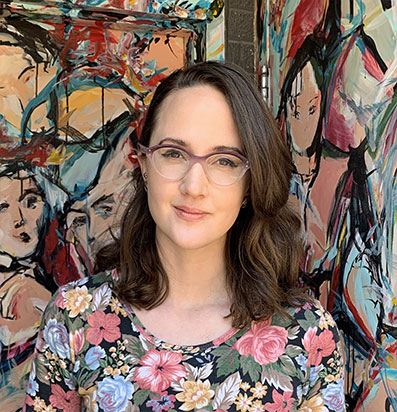
Cressida Frey
MSW, RSW (she/her) Registered Social WorkerAreas of focus:
- Children, Adolescents and Adults
- Violence, Trauma and Healing
- Stress and Anxiety

Derek Cassidy
MSW, RSW
(he/him/they/them)
Registered Social Worker
Areas of focus:
- Relationships and Attachment
- Complex, Relational Trauma
- Sexuality and Sexual Health
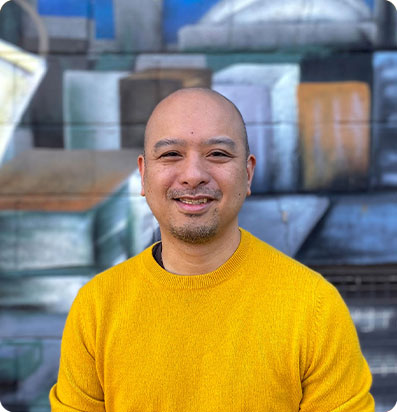
Jesmen Mendoza
C.Psych. (he/him) Adjunct PsychologistAreas of focus:
- Complex Mental Health
- Consultation

Jett Peters
MSW Candidate
(they/them)
Student Therapist
Areas of focus:
- Gender Identity
- Relationship(s) with Food & Body
- Trauma

Kathryn Bargis
MSc, RP (she/her) Registered PsychotherapistAreas of focus:
- Relationships
- Trauma
- Gender and Sexual Identity

Maxine Bower
MSW, RSW (she/her) Registered Social WorkerAreas of focus:
- Attachment in Individuals and in Relationships
- Complex Trauma
- Deepening Connections

Nicholas Sorg
MSc, RP
(he/him)
Registered Psychotherapist
Areas of focus:
- Stress, Anxiety, and Depression
- Sexual Identity Development
- Alternative Relationships, Relationship and Family Stress

Rae Griffin-Carlson
MSW, RSW
(she/her)
Registered Social Worker
Areas of focus:
- 2SLGBTQIA+ Youth & Adults
- Stress, Anxiety & Depression
- Sexual & Gender-based Violence

Rahim Thawer
MSW, RSW
(he/him)
External Clinical Supervisor
Areas of focus:
- Identity Conflict & Shame
- Dating, Relationships, Single by Chance/Choice
- Sexualized Substance Use

Saadia Khan
BA (they/them) Administrative and Social Media Assistant
Stephanie Wu
RP, Professional Art Therapist
(they/them)
Registered Psychotherapist
Areas of focus:
- Intimate Partner Violence, Sexual Assault & Childhood Abuse
- Impacts of Oppression
- 2SLGBTQIA+ Youth & Adults