
We Are a Network of Queer and Trans-identified Mental Health Professionals Who Serve the 2SLGBTQIA Community
LGBTQ mental health counseling in Wallenstein connects you with registered psychotherapists and social workers who understand your lived experience as a queer, trans, or two-spirit person and offer care grounded in social justice values. Wallenstein is a small, tight-knit community in the Waterloo region where many residents value authenticity and progressive values, yet access to affirming mental health support can feel scarce. Umbrella Mental Health Network brings specialized, trauma-informed counselling to Wallenstein and the wider Greater Toronto Area, serving 2SLGBTQIA+ individuals, couples, and families with the depth and cultural competence that generic therapy cannot provide. This guide walks you through the essential steps to access LGBTQ mental health counseling in Wallenstein through Umbrella, from clarifying what you need to building a therapeutic relationship with a provider who gets it. Before reaching out, reflect on what brought you to seek support and what you hope therapy will address. Are you working through trauma or a specific mental health concern like anxiety or depression? Are you exploring your gender identity or sexual orientation? Are you navigating a relationship transition, considering non-monogamy, or building a queer family? Are you a young person in Wallenstein questioning your identity in an environment where you may not see many visible role models? Understanding your primary concern helps you communicate clearly with Umbrella and ensures a good fit with a therapist who has expertise in that specific area. You may also want to consider your preferences about your therapist. Many people benefit from working with a provider who shares aspects of their identity-though not everyone does. Some prefer a therapist with particular theoretical training, such as somatic or trauma-focused approaches. Being honest about these preferences helps Umbrella match you with someone who can offer the safest, most effective care for your needs. Umbrella Mental Health Network operates from an explicitly anti-oppressive, feminist, and decolonial framework. This means therapy is not neutral-it actively addresses how systems of oppression (homophobia, transphobia, racism, classism, and others) have shaped your life and mental health. The practice is also sex-positive and kink-aware, recognizing that sexual and intimate expression are part of healthy human experience, not pathology to fix. Knowing this framework helps you understand what to expect: you will not encounter conversion therapy rhetoric, misgendering, or the assumption that queerness itself is a problem. Umbrella serves Wallenstein and the Greater Toronto Area through individual psychotherapy, couples and ethical non-monogamy counselling, trauma and PTSD treatment, gender and sexual identity exploration, and youth and young adult counselling. If you live in or near Wallenstein and travel into Toronto or nearby centers for work or community, Umbrella's service area makes access possible. Some residents of Wallenstein may also access virtual sessions, which expands flexibility for those with scheduling or transportation constraints. Umbrella brings together highly skilled registered psychotherapists and social workers, each with different training, specializations, and therapeutic styles. Before booking, explore who works with your specific needs. If you are processing sexual trauma, you want someone with trauma-informed and possibly somatic training. If you are a young adult in Wallenstein questioning your identity in a conservative or unsupportive family context, you want someone skilled in youth counselling and identity work. If you are in a queer couple or exploring ethical non-monogamy, you need a couples therapist trained in relational dynamics beyond heteronormative partnership models. Check availability and practical details: Do they offer evening or weekend appointments? Are sessions virtual, in-person in Wallenstein or Toronto, or hybrid? What is their approach to cancelled sessions or gaps in therapy? Getting these logistics clear upfront prevents friction later and allows you to commit fully to the therapeutic process. Reaching out is often the hardest step. Contact Umbrella through their website at http://www.umhn.ca to inquire about availability or to request a therapist match based on your needs. Be honest about what brings you in-the more details you share at intake, the better the fit. Your intake appointment is not your first therapy session; it is a mutual assessment. You are gathering information about whether this therapist can serve you well, and Umbrella is understanding your situation so they can either take you on or refer you appropriately. Come prepared to discuss your mental health history, current concerns, what you have tried before (if anything), and any practical needs or boundaries. If you are in crisis or have active suicidal thoughts, let Umbrella know immediately so they can ensure you have the right level of support. The intake phase typically takes one or two sessions and sets the foundation for real therapeutic work to follow. Therapy is not advice-giving or quick fixes. It is a collaborative relationship in which you and your therapist work together to understand patterns, process difficult material, and move toward healing and change. This takes time-typically several months, often longer depending on the depth of what you are working with. If you are processing trauma, exploring gender identity, or healing from years of internalized oppression, expect that meaningful change unfolds gradually. Show up consistently, be as honest as you can be, and communicate if something is not working. A good therapist welcomes feedback. If you feel misunderstood, unseen, or unsafe with your therapist, say so. Umbrella's commitment to anti-oppressive practice means they want to know if something has landed wrong. Therapy is an investment in yourself-the more genuine you are willing to be, the more you will get out of it. If you are based in Wallenstein or the surrounding area and have been seeking affirming, culturally competent mental health support, Umbrella Mental Health Network is here to serve you. You deserve a therapist who understands your identity, honors your resilience, and works from values aligned with social justice and liberation. Reach out to Umbrella through http://www.umhn.ca to begin the conversation. Your healing matters, and you do not have to navigate it alone. Yes. Umbrella Mental Health Network serves Wallenstein and the Greater Toronto Area with specialized, affirming counselling for 2SLGBTQIA+ individuals and families. While Wallenstein is a small community, Umbrella's service area includes the wider region, and virtual sessions are available for those who prefer remote access. Umbrella explicitly centers anti-oppression, feminism, decolonization, and sex-positivity in all work. Therapists are trained in trauma-informed care and understand the specific mental health impacts of homophobia, transphobia, and systemic marginalization. This is therapy designed for queer and trans people, not therapy that happens to serve them. Yes. Umbrella specializes in couples therapy and ethical non-monogamy (ENM) counselling. Therapists understand diverse relationship structures and are trained to support queer couples, polyamorous networks, and people exploring alternative relationships without judgment or heteronormative assumptions. Umbrella offers youth and young adult counselling focused on gender and sexual identity exploration. Contact Umbrella at http://www.umhn.ca to discuss your situation; they can connect you with a therapist experienced in supporting young people in identity work in a safe, affirming environment. Umbrella provides trauma and PTSD treatment using evidence-based, trauma-informed approaches. If you are a survivor of sexual violence, abuse, or systemic trauma related to your LGBTQ+ identity, Umbrella's therapists have deep expertise in trauma recovery and can offer the specialized care you deserve. Visit http://www.umhn.ca to learn about Umbrella's therapists and their specializations. Reach out to inquire about availability and what you are looking for in therapy. Umbrella will work with you to find the right fit and schedule an intake appointment to begin your therapeutic journey.Lgbtq Mental Health Counseling Wallenstein
Step 1: Identify What You Are Looking For in Therapy
Step 2: Understand Umbrella's Approach and Service Areas
Step 3: Research Therapist Fit and Availability
Step 4: Make First Contact and Prepare for Your Intake
Step 5: Commit to the Therapeutic Process and Build Your Relationship with Your Therapist
Frequently Asked Questions
Is there LGBTQ mental health counseling available in Wallenstein?
What makes Umbrella Mental Health Network different from generic therapy?
Does Umbrella offer couples therapy for same-sex or non-monogamous relationships?
How do I access LGBTQ mental health counseling in Wallenstein if I am a young person questioning my identity?
What if I have experienced trauma and need specialized support?
How do I get started with LGBTQ mental health counseling in Wallenstein?

Acknowledgement
Tkaronto and the surrounding areas that we serve are within the Dish With One Spoon Territory. The Dish With One Spoon is a treaty between the Anishinaabe, Mississaugas and Haudenosaunee that bound them to share the territory and protect the land. Subsequent Indigenous Nations and Peoples, Europeans and all newcomers have been invited into this treaty in the spirit of peace, friendship and respect.
We at Umbrella recognize that the professions of psychology, psychotherapy, and social work have roots in colonial violence. As psychotherapists and social workers, we understand that we have a responsibility to continuously work to decolonize the practice of psychotherapy/social work and acknowledge the origins of the various healing practices we utilize.
Our therapists actively engage in regular training that emphasizes professional development, team support, and sharing the current knowledge in 2SLGBTQIA mental health, to ensure the highest level of care for our clients.
Meet Our Team

Christopher Shillington
MA, CCC, RP
(they/them)
Clinic Director/ Registered Psychotherapist
Areas of focus:
- Healthy Relationships
- Intersectional Identities
- Trauma & PTSD

Andrés Gayoso Descalzi
MSW,RSW
(he/him)
Registered Social Worker
Areas of focus:
- Gender Identity & Embodiment
- Life Changes & Transitions
- 2SLGBTQIA+ Youth & Families

Aysha Natsheh
MSW, RSW
Registered Social Worker
Areas of focus:
- Food, Body, Self-Image
- Trauma
- Gender & Sexual Identity

Bushra Ahmed
MSW, RSW
Registered Social Worker
Areas of focus:
- 2SLGBTQIA+ Youth
- Exploring Neurodivergent Identities
- Impact of Oppression & Trauma on Mental Health

Clara Doucette
MA, RP (Qualifying)
(she/her)
Registered Psychotherapist (Qualifying)
Areas of focus:
- Relational Styles & Attachment
- Friendships & Kinship
- Stress
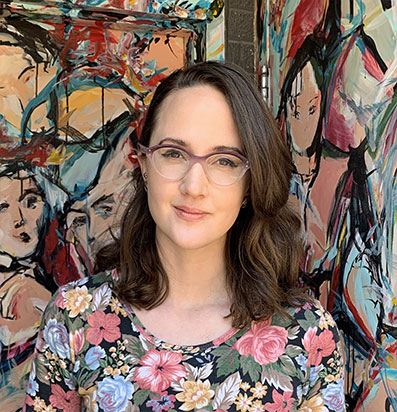
Cressida Frey
MSW, RSW (she/her) Registered Social WorkerAreas of focus:
- Children, Adolescents and Adults
- Violence, Trauma and Healing
- Stress and Anxiety

Derek Cassidy
MSW, RSW
(he/him/they/them)
Registered Social Worker
Areas of focus:
- Relationships and Attachment
- Complex, Relational Trauma
- Sexuality and Sexual Health
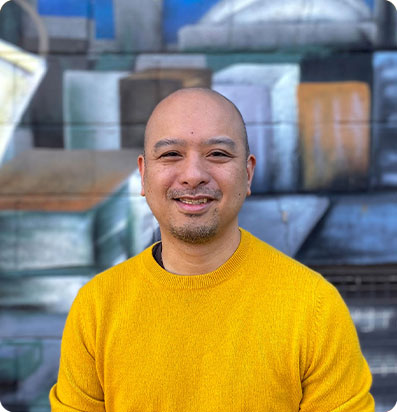
Jesmen Mendoza
C.Psych. (he/him) Adjunct PsychologistAreas of focus:
- Complex Mental Health
- Consultation

Jett Peters
MSW Candidate
(they/them)
Student Therapist
Areas of focus:
- Gender Identity
- Relationship(s) with Food & Body
- Trauma

Kathryn Bargis
MSc, RP (she/her) Registered PsychotherapistAreas of focus:
- Relationships
- Trauma
- Gender and Sexual Identity

Maxine Bower
MSW, RSW (she/her) Registered Social WorkerAreas of focus:
- Attachment in Individuals and in Relationships
- Complex Trauma
- Deepening Connections

Nicholas Sorg
MSc, RP
(he/him)
Registered Psychotherapist
Areas of focus:
- Stress, Anxiety, and Depression
- Sexual Identity Development
- Alternative Relationships, Relationship and Family Stress

Rae Griffin-Carlson
MSW, RSW
(she/her)
Registered Social Worker
Areas of focus:
- 2SLGBTQIA+ Youth & Adults
- Stress, Anxiety & Depression
- Sexual & Gender-based Violence

Rahim Thawer
MSW, RSW
(he/him)
External Clinical Supervisor
Areas of focus:
- Identity Conflict & Shame
- Dating, Relationships, Single by Chance/Choice
- Sexualized Substance Use

Saadia Khan
BA (they/them) Administrative and Social Media Assistant
Stephanie Wu
RP, Professional Art Therapist
(they/them)
Registered Psychotherapist
Areas of focus:
- Intimate Partner Violence, Sexual Assault & Childhood Abuse
- Impacts of Oppression
- 2SLGBTQIA+ Youth & Adults