
We Are a Network of Queer and Trans-identified Mental Health Professionals Who Serve the 2SLGBTQIA Community
LGBTQ mental health counseling in Toronto is specialized psychotherapy and counseling designed to meet the unique needs of 2SLGBTQIA individuals, couples, and families with clinicians who understand queer and trans lived experience, structural oppression, and the specific mental health challenges these communities face. Umbrella Mental Health Network provides exactly this kind of care across Toronto and the Greater Toronto Area. Their team of registered psychotherapists and social workers brings deep expertise in trauma recovery, gender and sexual identity exploration, couples therapy including ethical non-monogamy, and youth counseling. What sets their work apart is the integration of trauma-informed, anti-oppressive practice grounded in feminism, social justice, and decolonization-not as buzzwords, but as the foundation of how they listen and respond. If you are searching for this service, you likely have a specific reason: you may be navigating a gender transition, recovering from relational or systemic trauma, exploring your sexuality or identity, working through anxiety or depression, or seeking a therapist who will not pathologize your relationships, sexual expression, or chosen family. This page will help you understand what makes culturally grounded care different, and how Umbrella approaches the work. A therapist trained in mainstream psychology may be technically competent but lack the contextual knowledge that changes everything. Consider the difference between treating depression in isolation versus understanding how chronic stress from discrimination, microaggressions, and systemic exclusion shapes mental health. A clinician unfamiliar with queer experience might pathologize non-monogamy as a symptom of commitment issues, when ethical non-monogamy is a valid relationship structure chosen consciously by many 2SLGBTQIA people. They might encourage a trans client toward cisgender presentation as a coping strategy, when the real work is building safety to live authentically. Umbrella Mental Health Network operates from the understanding that oppression itself is traumatic. This shift in perspective changes everything about treatment. Instead of asking "why are you struggling with this," a trauma-informed, anti-oppressive therapist asks "what systems have harmed you, and how do we build healing and resilience together?" This is not ideology layered on top of competence-it is competence, when the client is someone from a marginalized community. Not all counseling services that claim to be LGBTQ-friendly operate the same way. Below is a comparison of different approaches you might encounter when searching for care in Toronto and surrounding areas: Umbrella Mental Health Network sits in the specialized affirmative camp because their clinicians do not view queerness or transness as something to adapt to, but as central to understanding who you are and what you need. Umbrella serves Toronto and the GTA with several overlapping service streams. Here is what they actually do: Each of these services is delivered by registered psychotherapists or social workers, meaning they are clinically trained, regulated, and bound by professional standards of confidentiality and ethics. Toronto and the Greater Toronto Area are home to diverse 2SLGBTQIA communities, yet accessing truly culturally grounded mental health care remains a barrier for many. Umbrella bridges this gap by centering several commitments that guide their work: This is not a generic list of values posted on a website. These are working principles that change how Umbrella listens, what they notice, and what they prioritize in treatment. If you are searching for mental health support that meets you where you are-as a whole person with a queer or trans identity, a history, relationships, and a desire to heal without abandoning yourself-Umbrella Mental Health Network is here. Reach out to learn more about how they work and whether their approach resonates with what you need. Both are clinically trained professionals regulated by professional bodies in Ontario. Registered psychotherapists and registered social workers both provide therapy and counseling. The distinction varies by training history and licensing; what matters most is that they are regulated and their specific expertise fits your needs. Umbrella employs both to serve different client needs and preferences. Trauma-informed care assumes that many people, especially those from marginalized communities, have experienced harm and may carry its effects. Rather than asking 'what is wrong with you,' trauma-informed practitioners ask 'what happened to you' and build safety and choice into treatment. This changes everything about pace, boundaries, and how progress is measured. Yes. Umbrella is based in Toronto and serves clients across the Greater Toronto Area. They specialize in counseling for 2SLGBTQIA individuals, couples, and families, with in-person and virtual options available for GTA residents. Absolutely. Gender exploration is a core part of Umbrella's work. Therapy is a space to ask questions about your identity without pressure to have answers. Many people benefit from working with a clinician who understands gender diversity while you figure out what feels true for you. Anti-oppressive practice means actively working against racism, transphobia, biphobia, ableism, and other systems of exclusion in both how a therapist thinks and how they show up in the room. It means naming structural barriers as real and legitimate, not reframing them as individual failures. This shapes what gets discussed and how. Yes. Umbrella offers couples therapy and explicit ethical non-monogamy counseling. Therapists are trained and affirming of diverse relationship structures, including monogamy, non-monogamy, and other arrangements. This work is grounded in communication, consent, and what works for you and your partner(s).Lgbtq Mental Health Counseling Toronto
Why General Therapists Often Miss What Queer and Trans Clients Need
LGBTQ Mental Health Counseling Toronto: What Different Approaches Look Like
Approach Training & Lens What This Means for You Best For Mainstream clinical practice (LGBTQ-friendly) Standard psychology training plus stated openness to queer clients; may lack depth in queer theory or anti-oppressive work Safe from overt discrimination; may not address systemic factors shaping your mental health General mental health concerns if you prefer a standard therapeutic model Specialized queer affirmative practice (Umbrella's model) Advanced training in LGBTQ mental health, trauma, social justice, and anti-oppressive frameworks; therapists with lived knowledge Your identity and relationships are the starting point, not something to work around; systemic harm is named and addressed Clients prioritizing cultural safety, identity work, trauma recovery, and understanding mental health through a justice lens Support groups and peer counseling Peer-led or volunteer-facilitated; valuable for community but not clinical training Affordable, community-based, and affirming; not a substitute for clinical mental health treatment Complement to therapy; ongoing community and peer support Core Services That Address Real Needs in Toronto
What Makes Umbrella's Approach Distinct in the GTA
Frequently Asked Questions
What is the difference between a psychotherapist and a social worker in mental health counseling?
How is trauma-informed care different from regular therapy?
Does Umbrella Mental Health Network offer LGBTQ mental health counseling in Toronto specifically?
Can I access counseling if I am exploring my gender identity but not certain yet?
What does 'anti-oppressive practice' mean in therapy?
Is ethical non-monogamy discussed in couples therapy at Umbrella?

Acknowledgement
Tkaronto and the surrounding areas that we serve are within the Dish With One Spoon Territory. The Dish With One Spoon is a treaty between the Anishinaabe, Mississaugas and Haudenosaunee that bound them to share the territory and protect the land. Subsequent Indigenous Nations and Peoples, Europeans and all newcomers have been invited into this treaty in the spirit of peace, friendship and respect.
We at Umbrella recognize that the professions of psychology, psychotherapy, and social work have roots in colonial violence. As psychotherapists and social workers, we understand that we have a responsibility to continuously work to decolonize the practice of psychotherapy/social work and acknowledge the origins of the various healing practices we utilize.
Our therapists actively engage in regular training that emphasizes professional development, team support, and sharing the current knowledge in 2SLGBTQIA mental health, to ensure the highest level of care for our clients.
Meet Our Team

Christopher Shillington
MA, CCC, RP
(they/them)
Clinic Director/ Registered Psychotherapist
Areas of focus:
- Healthy Relationships
- Intersectional Identities
- Trauma & PTSD

Andrés Gayoso Descalzi
MSW,RSW
(he/him)
Registered Social Worker
Areas of focus:
- Gender Identity & Embodiment
- Life Changes & Transitions
- 2SLGBTQIA+ Youth & Families

Aysha Natsheh
MSW, RSW
Registered Social Worker
Areas of focus:
- Food, Body, Self-Image
- Trauma
- Gender & Sexual Identity

Bushra Ahmed
MSW, RSW
Registered Social Worker
Areas of focus:
- 2SLGBTQIA+ Youth
- Exploring Neurodivergent Identities
- Impact of Oppression & Trauma on Mental Health

Clara Doucette
MA, RP (Qualifying)
(she/her)
Registered Psychotherapist (Qualifying)
Areas of focus:
- Relational Styles & Attachment
- Friendships & Kinship
- Stress
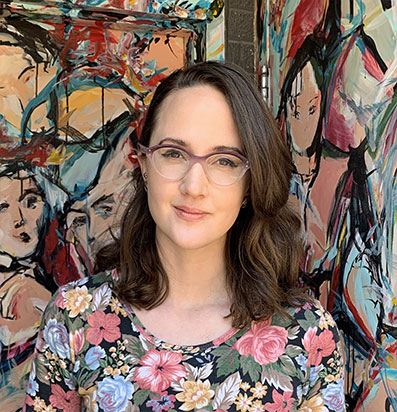
Cressida Frey
MSW, RSW (she/her) Registered Social WorkerAreas of focus:
- Children, Adolescents and Adults
- Violence, Trauma and Healing
- Stress and Anxiety

Derek Cassidy
MSW, RSW
(he/him/they/them)
Registered Social Worker
Areas of focus:
- Relationships and Attachment
- Complex, Relational Trauma
- Sexuality and Sexual Health
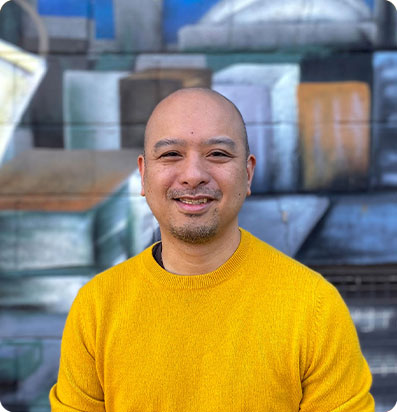
Jesmen Mendoza
C.Psych. (he/him) Adjunct PsychologistAreas of focus:
- Complex Mental Health
- Consultation

Jett Peters
MSW Candidate
(they/them)
Student Therapist
Areas of focus:
- Gender Identity
- Relationship(s) with Food & Body
- Trauma

Kathryn Bargis
MSc, RP (she/her) Registered PsychotherapistAreas of focus:
- Relationships
- Trauma
- Gender and Sexual Identity

Maxine Bower
MSW, RSW (she/her) Registered Social WorkerAreas of focus:
- Attachment in Individuals and in Relationships
- Complex Trauma
- Deepening Connections

Nicholas Sorg
MSc, RP
(he/him)
Registered Psychotherapist
Areas of focus:
- Stress, Anxiety, and Depression
- Sexual Identity Development
- Alternative Relationships, Relationship and Family Stress

Rae Griffin-Carlson
MSW, RSW
(she/her)
Registered Social Worker
Areas of focus:
- 2SLGBTQIA+ Youth & Adults
- Stress, Anxiety & Depression
- Sexual & Gender-based Violence

Rahim Thawer
MSW, RSW
(he/him)
External Clinical Supervisor
Areas of focus:
- Identity Conflict & Shame
- Dating, Relationships, Single by Chance/Choice
- Sexualized Substance Use

Saadia Khan
BA (they/them) Administrative and Social Media Assistant
Stephanie Wu
RP, Professional Art Therapist
(they/them)
Registered Psychotherapist
Areas of focus:
- Intimate Partner Violence, Sexual Assault & Childhood Abuse
- Impacts of Oppression
- 2SLGBTQIA+ Youth & Adults