
We Are a Network of Queer and Trans-identified Mental Health Professionals Who Serve the 2SLGBTQIA Community
LGBTQ mental health counseling in Springfield connects 2SLGBTQIA individuals and families with registered psychotherapists and social workers who understand the specific clinical and lived realities of queer and trans experience. Umbrella Mental Health Network provides this specialized care across Springfield and the Greater Toronto Area, grounded in trauma-informed practice, anti-oppressive methodology, and values of social justice and decolonization. Springfield residents seeking mental health support deserve clinicians who recognize how systemic oppression, discrimination, and historical trauma shape psychological wellbeing. Generic counseling may miss the intersectional complexities of gender identity exploration, coming out processes, family rejection, workplace discrimination, or the legacy of conversion therapy and medical gaslighting. Umbrella's approach centers these realities rather than treating them as secondary to a diagnosis. The team at Umbrella brings deep expertise across individual psychotherapy, couples and ethical non-monogamy (ENM) counseling, trauma and PTSD recovery, gender and sexual identity exploration, and youth and young adult work. Whether you are navigating a major life transition, processing relational trauma, building affirming relationships, or simply seeking a space where your identity is not up for debate, this practice offers the methodological rigor and cultural fluency that Springfield's LGBTQ+ community deserves. Trauma-informed care in LGBTQ mental health counseling recognizes that many 2SLGBTQIA individuals carry both capital-T trauma-discrete events like violence, abuse, or medical harm-and what clinicians term complex or developmental trauma: the accumulated weight of living in a heteronormative, cisnormative, and often transphobic world. Umbrella's registered psychotherapists and social workers work with this understanding built into every session. The clinical methodology involves several key elements. First, safety is established through explicit transparency about the therapeutic relationship and process; the therapist does not position themselves as an expert on the client's identity or experience. Second, choice and agency are centered: clients direct the pace and focus of work, which is especially important for those whose bodies and identities have been controlled or invalidated by systems of care. Third, the therapist actively works to identify how current symptoms may be adaptive survival responses to past or ongoing oppression, rather than individual pathology to be corrected. For Springfield residents processing trauma, this means sessions do not proceed from a deficit model-viewing queerness or transness as the problem to solve-but instead examine how internalized oppression, family estrangement, medical trauma, sexual violence, or other injuries can be metabolized and healed. Umbrella's practitioners are trained to recognize and interrupt their own socialization around gender and sexuality, ensuring their clinical presence supports rather than re-traumatizes. LGBTQ mental health counseling in Springfield extends beyond individual work to address the specific dynamics of queer and trans relationships. Umbrella offers specialized couples therapy for same-sex and mixed-orientation partnerships, as well as counseling for ethical non-monogamy (ENM), polyamory, and other relationship structures often marginalized by mainstream therapy frameworks. Couples work addresses several clinical territories. Relational trauma-patterns where partners trigger each other's historical wounds-is addressed through somatic and relational techniques that build safety and attunement. Communication breakdowns specific to queer partnerships, such as navigating differing levels of outness, managing community dynamics, or processing shared experiences of discrimination, are examined directly. For trans partners, work may involve supporting identity transitions, examining how shifting bodies and social roles affect intimacy and power, or processing grief and mutual adjustment. ENM counseling deserves particular mention because mainstream therapy often pathologizes non-monogamy, treating it as evidence of avoidant attachment or commitment failure. Umbrella's approach is sex-positive and kink-positive, meaning non-monogamy is understood as a valid relational choice that still requires skill-building, emotional intelligence, and honest communication. Therapists help couples establish agreements, manage jealousy or insecurity from a grounded place, navigate safer sex practices, and build community with integrity. Springfield's LGBTQ+ residents benefit from clinicians who do not position affirming identity work as secondary to relationship repair. Gender and sexual identity exploration can unfold within couples sessions when both partners are willing, or individual therapy can run alongside couple work. This flexibility meets people where they are rather than imposing a one-size-fits-all treatment model. Youth and young adult counseling at Umbrella is similarly tailored to the developmental and social realities of 2SLGBTQIA young people in Springfield. Adolescents navigating gender identity questions, sexual orientation discovery, or the anxiety and isolation of being queer or trans in school or family environments receive support that validates their experience while building concrete coping skills and community connection. Umbrella Mental Health Network's clinicians understand that Springfield is not homogeneous. The practice serves neighborhoods across the city with varying levels of LGBTQ+ visibility, community resources, and cultural backgrounds. A trans client in one area may have entirely different safety considerations and support networks than a queer client in another. This specificity-attending to Springfield itself rather than treating the city as backdrop-shapes how therapy unfolds. If you are seeking mental health support as a member of the 2SLGBTQIA community in Springfield, reach out to Umbrella Mental Health Network. The practice welcomes inquiries from individuals, couples, families, and young people. Contact them through their website to discuss your needs and learn how their team can support your healing and growth. Trauma-informed care recognizes that many queer and trans people carry trauma from discrimination, medical harm, family rejection, or violence, and that these experiences shape mental health. Clinicians work with transparency, prioritize your choice and agency, and understand current symptoms as adaptive responses rather than pathology. At Umbrella, this means your therapist actively works to avoid re-traumatizing you and supports healing at a pace you direct. Yes. Umbrella specializes in couples therapy for same-sex and mixed-orientation partnerships, as well as ethical non-monogamy and polyamory counseling. Therapists address relational trauma, communication patterns specific to queer partnerships, identity transitions, and relationship agreements with a sex-positive, kink-positive framework that does not pathologize non-monogamy. Yes. Umbrella offers specialized gender and sexual identity exploration counseling. Whether you are questioning your identity, navigating a transition, or processing internalized messages about sexuality and gender, therapists provide a non-directive, affirming space where you lead the work at your own pace. Yes. Umbrella provides youth and young adult counseling for 2SLGBTQIA individuals navigating identity questions, social isolation, family conflict, anxiety, or depression. Sessions address the specific developmental and social realities of being queer or trans in school, family, and community settings. Anti-oppressive therapy explicitly examines how systemic oppression-racism, transphobia, homophobia, ableism, classism-shapes your experience and mental health. Rather than treating these as background, anti-oppressive clinicians integrate them into treatment. This means your therapist works to interrupt their own biases and centers your lived experience of marginalization. Therapists at Umbrella are trained to recognize medical trauma specific to trans and queer people-including experiences of being misgendered, pathologized, or harmed by healthcare providers. They understand conversion therapy as serious relational trauma and work somatically and psychologically to support healing without re-traumatizing you in the therapeutic relationship. Umbrella offers treatment for trauma and PTSD, anxiety and depression, relational difficulties, gender identity questions, sexual health and exploration, and the effects of discrimination and oppression. The practice takes a comprehensive, trauma-informed approach rather than diagnose-and-medicate model, though therapists work collaboratively with psychiatrists when medication is appropriate.Lgbtq Mental Health Counseling Springfield
Trauma-Informed Practice for Queer and Trans Healing
Couples Therapy, Gender Exploration, and Alternative Relationships in Springfield
Frequently Asked Questions
What does trauma-informed LGBTQ mental health counseling actually mean?
Does Umbrella Mental Health Network offer couples therapy for same-sex relationships in Springfield?
Can I explore my gender identity or sexual orientation in therapy?
Is there LGBTQ mental health counseling for young people in Springfield?
What is anti-oppressive therapy and why does it matter?
How does Umbrella Mental Health Network approach trauma from medical settings or conversion therapy?
What mental health conditions does Umbrella treat in Springfield?

Acknowledgement
Tkaronto and the surrounding areas that we serve are within the Dish With One Spoon Territory. The Dish With One Spoon is a treaty between the Anishinaabe, Mississaugas and Haudenosaunee that bound them to share the territory and protect the land. Subsequent Indigenous Nations and Peoples, Europeans and all newcomers have been invited into this treaty in the spirit of peace, friendship and respect.
We at Umbrella recognize that the professions of psychology, psychotherapy, and social work have roots in colonial violence. As psychotherapists and social workers, we understand that we have a responsibility to continuously work to decolonize the practice of psychotherapy/social work and acknowledge the origins of the various healing practices we utilize.
Our therapists actively engage in regular training that emphasizes professional development, team support, and sharing the current knowledge in 2SLGBTQIA mental health, to ensure the highest level of care for our clients.
Meet Our Team

Christopher Shillington
MA, CCC, RP
(they/them)
Clinic Director/ Registered Psychotherapist
Areas of focus:
- Healthy Relationships
- Intersectional Identities
- Trauma & PTSD

Andrés Gayoso Descalzi
MSW,RSW
(he/him)
Registered Social Worker
Areas of focus:
- Gender Identity & Embodiment
- Life Changes & Transitions
- 2SLGBTQIA+ Youth & Families

Aysha Natsheh
MSW, RSW
Registered Social Worker
Areas of focus:
- Food, Body, Self-Image
- Trauma
- Gender & Sexual Identity

Bushra Ahmed
MSW, RSW
Registered Social Worker
Areas of focus:
- 2SLGBTQIA+ Youth
- Exploring Neurodivergent Identities
- Impact of Oppression & Trauma on Mental Health

Clara Doucette
MA, RP (Qualifying)
(she/her)
Registered Psychotherapist (Qualifying)
Areas of focus:
- Relational Styles & Attachment
- Friendships & Kinship
- Stress
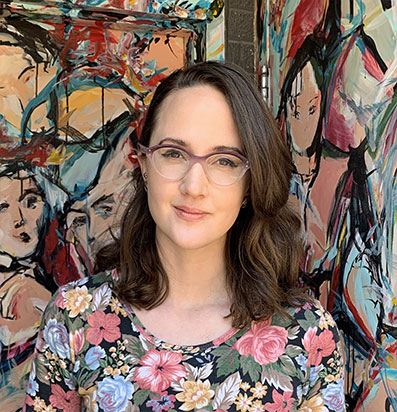
Cressida Frey
MSW, RSW (she/her) Registered Social WorkerAreas of focus:
- Children, Adolescents and Adults
- Violence, Trauma and Healing
- Stress and Anxiety

Derek Cassidy
MSW, RSW
(he/him/they/them)
Registered Social Worker
Areas of focus:
- Relationships and Attachment
- Complex, Relational Trauma
- Sexuality and Sexual Health
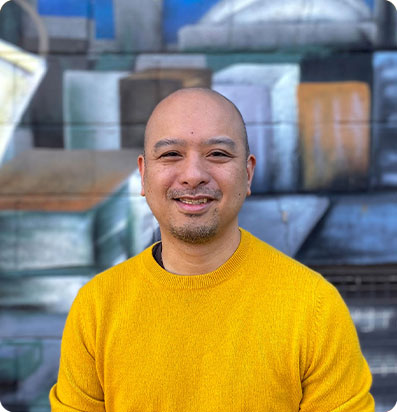
Jesmen Mendoza
C.Psych. (he/him) Adjunct PsychologistAreas of focus:
- Complex Mental Health
- Consultation

Jett Peters
MSW Candidate
(they/them)
Student Therapist
Areas of focus:
- Gender Identity
- Relationship(s) with Food & Body
- Trauma

Kathryn Bargis
MSc, RP (she/her) Registered PsychotherapistAreas of focus:
- Relationships
- Trauma
- Gender and Sexual Identity

Maxine Bower
MSW, RSW (she/her) Registered Social WorkerAreas of focus:
- Attachment in Individuals and in Relationships
- Complex Trauma
- Deepening Connections

Nicholas Sorg
MSc, RP
(he/him)
Registered Psychotherapist
Areas of focus:
- Stress, Anxiety, and Depression
- Sexual Identity Development
- Alternative Relationships, Relationship and Family Stress

Rae Griffin-Carlson
MSW, RSW
(she/her)
Registered Social Worker
Areas of focus:
- 2SLGBTQIA+ Youth & Adults
- Stress, Anxiety & Depression
- Sexual & Gender-based Violence

Rahim Thawer
MSW, RSW
(he/him)
External Clinical Supervisor
Areas of focus:
- Identity Conflict & Shame
- Dating, Relationships, Single by Chance/Choice
- Sexualized Substance Use

Saadia Khan
BA (they/them) Administrative and Social Media Assistant
Stephanie Wu
RP, Professional Art Therapist
(they/them)
Registered Psychotherapist
Areas of focus:
- Intimate Partner Violence, Sexual Assault & Childhood Abuse
- Impacts of Oppression
- 2SLGBTQIA+ Youth & Adults