
We Are a Network of Queer and Trans-identified Mental Health Professionals Who Serve the 2SLGBTQIA Community
LGBTQ mental health counseling in Shakespeare connects you with registered psychotherapists and social workers who understand the specific challenges facing 2SLGBTQIA people, offering therapy grounded in trauma-informed practice, social justice values, and genuine affirmation of queer and trans experience. Shakespeare is a small, tight-knit community in Wellington County, about 30 minutes south of Guelph. Many people in Shakespeare and the surrounding rural areas face particular barriers when seeking mental health support: limited local options, long travel distances, and the very real concern that a local therapist might not understand or affirm queer identity. Umbrella Mental Health Network serves Shakespeare and the Greater Toronto Area with specialized counseling that meets you where you are, whether that is in-person or online. Trauma-informed therapy does not simply mean we know that trauma exists; it means we understand how trauma changes the nervous system, how it shapes trust, and how it shows up in relationships and daily life. At Umbrella Mental Health Network, this is not an add-on-it is foundational to everything we do. If you are a survivor of abuse, violence, discrimination, or medical trauma related to your gender or sexuality, our therapists recognize that healing requires safety, choice, and control on your terms, not ours. Because many 2SLGBTQIA people have experienced systemic oppression, conversion therapy, family rejection, or healthcare discrimination, trauma-informed practice in LGBTQ mental health counseling Shakespeare means we do not pathologize your identity or ask you to explain yourself. We work at your pace and respect your expertise about your own life. Therapy itself is a relationship with power built in: one person pays, the other holds expertise. Anti-oppressive practice means your therapist actively names and reflects on how their own identities, privileges, and social location affect the work. It means we do not default to centering heteronormative, cisnormative, or ableist assumptions about what a healthy life should look like. If you are exploring gender identity, navigating coming out, or building a life as a queer or trans person in a rural area like Shakespeare, you need a therapist who questions their own biases rather than expecting you to fit into a predetermined framework. This matters especially for youth and young adults exploring gender and sexual identity. Our counselors support genuine exploration without pushing you toward any particular outcome, and we recognize that your identity may evolve over time. Queer relationships and families look many different ways, and not all therapists understand that. Umbrella Mental Health Network offers couples therapy rooted in queer-affirming practice, which means we do not impose heteronormative relationship models or assume monogamy is the only valid structure. If you and your partner(s) are navigating ethical non-monogamy (ENM), polyamory, or other alternative relationship structures, our therapists bring real knowledge and zero judgment. We also support queer family planning, recognizing that LGBTQ+ individuals and couples may be exploring parenthood, navigating fertility, or working through the emotional and relational dimensions of building a family. Couples therapy in this context addresses both the shared decision-making and the individual processing that family planning often requires. Affirming LGBTQ mental health counseling in Shakespeare includes what many mainstream therapists avoid: honest, shame-free conversations about sexuality, pleasure, desire, and kink. Our therapists understand that sexual health is part of mental health, that exploring sexuality is developmentally normal, and that consensual kink, sex work involvement, or other non-mainstream sexual expression is not pathology to fix-it is part of human diversity. If you are navigating questions about your sexuality, working through shame or trauma related to sex, or simply want a therapist who will not flinch when you talk openly about desire, this framework matters. Because so many LGBTQ+ people have internalized messages that their sexuality is wrong or dangerous, therapy that centers sex-positivity and kink-awareness can be deeply healing. Shakespeare is not in Toronto, and distance should not be a barrier to culturally safe care. Umbrella Mental Health Network serves the Greater Toronto Area through in-person sessions at our Toronto location and online therapy sessions, making specialized LGBTQ mental health counseling Shakespeare accessible whether you live in a rural community or are traveling between locations. Online therapy also offers privacy and flexibility-important considerations for anyone not yet out or managing multiple social contexts. We also recognize that affordability, work schedules, disability access, and childcare responsibilities all affect whether therapy is actually accessible. When you reach out, we can discuss what works for your life. If you are seeking mental health support that affirms your identity, honors your lived experience, and grounds itself in social justice rather than pathology, Umbrella Mental Health Network is here to help. Reach out to learn more about how we work and to schedule an initial conversation. Shakespeare itself is a small community with limited local mental health services. However, Umbrella Mental Health Network serves Shakespeare and the Greater Toronto Area through both in-person and online therapy, connecting you with specialized LGBTQ+ counselors without requiring you to travel to a major city. Trauma-informed therapy is built on the understanding that trauma changes how your nervous system responds to safety, trust, and control. Regular therapy may not account for these deeper patterns. Our therapists recognize how trauma shows up in your body, relationships, and daily choices, and we structure sessions to restore your sense of agency and safety. Umbrella Mental Health Network offers both online and in-person counseling. Online therapy is especially valuable if you live in a rural area, value privacy, have accessibility needs, or prefer flexibility with scheduling. We can discuss which option works best for your situation when you get in touch. Anti-oppressive practice means your therapist actively examines how power, privilege, and social systems shape the therapeutic relationship and your life. Rather than assuming a single "healthy" way to live, we center your own goals and values while questioning the biases we all carry. For LGBTQ+ clients, this means we do not pathologize your identity or expect you to conform to heteronormative or cisnormative standards. Yes. Umbrella Mental Health Network specializes in queer-affirming couples therapy and explicitly supports ethical non-monogamy, polyamory, and other alternative relationship structures. We do not impose monogamous or heteronormative models; we work with the relationship structure that is right for you. Absolutely. We offer gender and sexual identity exploration counseling for youth, young adults, and adults at any stage of your journey. Our therapists support genuine exploration without pushing you toward any particular outcome, and we recognize that identity can evolve. Gender exploration happens in a completely shame-free, affirming space.Lgbtq Mental Health Counseling Shakespeare
1. Trauma-Informed Care Means Your History Shapes How We Work
2. Anti-Oppressive Practice Means Your Therapist Understands Power
3. Specialized Expertise Includes Couples Therapy and Ethical Non-Monogamy
4. Sex-Positivity and Kink-Awareness Are Part of Affirming Care
5. Accessibility Means Meeting You Online or In Person Across the GTA
Frequently Asked Questions
Is there LGBTQ mental health counseling available in Shakespeare?
What is the difference between trauma-informed and regular therapy?
Can I do LGBTQ mental health counseling online, or do I need to come in person?
What does anti-oppressive practice mean in therapy?
Do you offer couples therapy for non-monogamous or queer relationships?
Can a therapist help me explore my gender identity?

Acknowledgement
Tkaronto and the surrounding areas that we serve are within the Dish With One Spoon Territory. The Dish With One Spoon is a treaty between the Anishinaabe, Mississaugas and Haudenosaunee that bound them to share the territory and protect the land. Subsequent Indigenous Nations and Peoples, Europeans and all newcomers have been invited into this treaty in the spirit of peace, friendship and respect.
We at Umbrella recognize that the professions of psychology, psychotherapy, and social work have roots in colonial violence. As psychotherapists and social workers, we understand that we have a responsibility to continuously work to decolonize the practice of psychotherapy/social work and acknowledge the origins of the various healing practices we utilize.
Our therapists actively engage in regular training that emphasizes professional development, team support, and sharing the current knowledge in 2SLGBTQIA mental health, to ensure the highest level of care for our clients.
Meet Our Team

Christopher Shillington
MA, CCC, RP
(they/them)
Clinic Director/ Registered Psychotherapist
Areas of focus:
- Healthy Relationships
- Intersectional Identities
- Trauma & PTSD

Andrés Gayoso Descalzi
MSW,RSW
(he/him)
Registered Social Worker
Areas of focus:
- Gender Identity & Embodiment
- Life Changes & Transitions
- 2SLGBTQIA+ Youth & Families

Aysha Natsheh
MSW, RSW
Registered Social Worker
Areas of focus:
- Food, Body, Self-Image
- Trauma
- Gender & Sexual Identity

Bushra Ahmed
MSW, RSW
Registered Social Worker
Areas of focus:
- 2SLGBTQIA+ Youth
- Exploring Neurodivergent Identities
- Impact of Oppression & Trauma on Mental Health

Clara Doucette
MA, RP (Qualifying)
(she/her)
Registered Psychotherapist (Qualifying)
Areas of focus:
- Relational Styles & Attachment
- Friendships & Kinship
- Stress
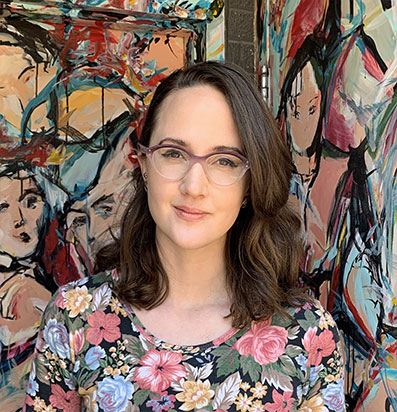
Cressida Frey
MSW, RSW (she/her) Registered Social WorkerAreas of focus:
- Children, Adolescents and Adults
- Violence, Trauma and Healing
- Stress and Anxiety

Derek Cassidy
MSW, RSW
(he/him/they/them)
Registered Social Worker
Areas of focus:
- Relationships and Attachment
- Complex, Relational Trauma
- Sexuality and Sexual Health
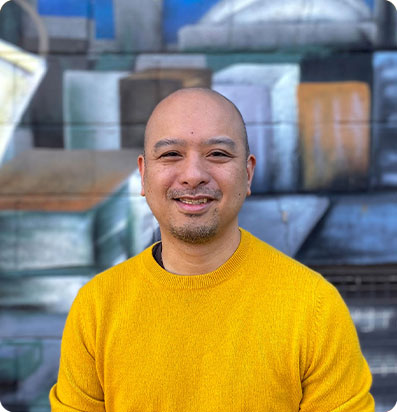
Jesmen Mendoza
C.Psych. (he/him) Adjunct PsychologistAreas of focus:
- Complex Mental Health
- Consultation

Jett Peters
MSW Candidate
(they/them)
Student Therapist
Areas of focus:
- Gender Identity
- Relationship(s) with Food & Body
- Trauma

Kathryn Bargis
MSc, RP (she/her) Registered PsychotherapistAreas of focus:
- Relationships
- Trauma
- Gender and Sexual Identity

Maxine Bower
MSW, RSW (she/her) Registered Social WorkerAreas of focus:
- Attachment in Individuals and in Relationships
- Complex Trauma
- Deepening Connections

Nicholas Sorg
MSc, RP
(he/him)
Registered Psychotherapist
Areas of focus:
- Stress, Anxiety, and Depression
- Sexual Identity Development
- Alternative Relationships, Relationship and Family Stress

Rae Griffin-Carlson
MSW, RSW
(she/her)
Registered Social Worker
Areas of focus:
- 2SLGBTQIA+ Youth & Adults
- Stress, Anxiety & Depression
- Sexual & Gender-based Violence

Rahim Thawer
MSW, RSW
(he/him)
External Clinical Supervisor
Areas of focus:
- Identity Conflict & Shame
- Dating, Relationships, Single by Chance/Choice
- Sexualized Substance Use

Saadia Khan
BA (they/them) Administrative and Social Media Assistant
Stephanie Wu
RP, Professional Art Therapist
(they/them)
Registered Psychotherapist
Areas of focus:
- Intimate Partner Violence, Sexual Assault & Childhood Abuse
- Impacts of Oppression
- 2SLGBTQIA+ Youth & Adults