
We Are a Network of Queer and Trans-identified Mental Health Professionals Who Serve the 2SLGBTQIA Community
LGBTQ mental health counseling in Richmond Hill is specialized psychotherapy designed to serve the unique needs of 2SLGBTQIA individuals and families within a framework of cultural competence, trauma-informed practice, and social justice values. Umbrella Mental Health Network brings this work to Richmond Hill and throughout the Greater Toronto Area, staffing the practice with registered psychotherapists and social workers trained in the specific mental health experiences of queer and trans communities. Trauma-informed practice begins from the premise that many 2SLGBTQIA people carry wounds from discrimination, rejection, medical gatekeeping, and interpersonal violence. Umbrella's clinicians in Richmond Hill understand that anxiety, depression, and hypervigilance often reflect real experiences of marginalization rather than individual pathology. This framework shapes assessment, treatment planning, and the therapeutic relationship itself. Trauma-informed care in practice means therapists ask "What happened to you?" rather than "What is wrong with you?" It means recognizing that dissociation, shame responses, and difficulty trusting authority figures are adaptive survival mechanisms. For clients in Richmond Hill exploring this modality, it creates safety to process experiences that conventional mental health systems have historically minimized or misunderstood. Anti-oppressive therapy rejects the medical model that treats queerness, transness, or non-binary identity as illness to be cured. Instead, Umbrella's approach in Richmond Hill locates mental health challenges within systems of power and oppression, and positions your identity as a source of resilience and community strength. This distinction matters profoundly: it changes whether therapy works to "fix" you or to support you in navigating a world not built for your flourishing. This methodology extends to sexuality, gender expression, and relationship structures. Whether you are a trans person navigating gender affirmation, a queer individual exploring sexual identity, or a couple practicing ethical non-monogamy, anti-oppressive practitioners in Richmond Hill work without imposing heteronormative or cisnormative assumptions. Care is grounded in feminism and sex-positivity, creating room to discuss kink, pleasure, desire, and alternative relationship configurations without judgment or pathologization. Couples therapy for LGBTQ+ relationships diverges significantly from heterosexual couples work because it must account for shared experiences of marginalization, differing stages of coming out, and relationship models that may not follow the traditional marriage-monogamy template. Umbrella's registered psychotherapists serving Richmond Hill bring expertise in supporting same-sex couples, trans-partnered couples, and relationships structured around ethical non-monogamy (ENM). ENM counseling specifically addresses how to build secure attachment while maintaining multiple relationships transparently and consensually. Therapists help couples and triads establish communication frameworks, process jealousy and compersion, navigate safer sex practices, and align values across partners. Because many therapists lack training in polyamorous dynamics, finding practitioners in Richmond Hill with this expertise has historically been difficult; Umbrella's clinicians integrate this work as part of their standard offerings. Gender identity work in therapy encompasses multiple presentations: someone early in transition, someone questioning their relationship to gender after years of living another way, someone exploring non-binary identity, or a Two-Spirit person claiming Indigenous identity within gender and sexuality. Each path requires a therapist skilled in gender theory, informed consent models, and the documentation processes involved in accessing medical care if you choose it. Umbrella's clinicians in Richmond Hill approach gender exploration as a process of deepening self-knowledge rather than a pathway with predetermined outcomes. Therapy supports you in articulating your authentic gender expression, processing family and social responses, navigating medical systems if relevant, and integrating identity shifts into your lived life. For youth and young adults in particular, this work happens within a framework that honors your autonomy while providing developmentally informed guidance. Young people in Richmond Hill who identify as 2SLGBTQIA face specific challenges: coming out while still dependent on potentially unsupportive family systems, navigating school environments, processing peer relationships, and developing identity during a period designed around exploration. Youth counseling at Umbrella integrates trauma-informed and anti-oppressive frameworks with developmental psychology, recognizing that adolescent and early adult brains are still forming while simultaneously managing real social risk. Therapists working with youth in the Greater Toronto Area attend to both internal experience (identity formation, attachment patterns, mood regulation) and external systems (family dynamics, school safety, access to affirming community). Young adult counseling extends this work into post-secondary transitions, early relationship experiences, and the ongoing process of separating from family while building autonomous identity. The practice maintains specialized capacity for this age group because the stakes of culturally unsafe mental health care are particularly high during these formative years. If you are seeking LGBTQ mental health counseling in Richmond Hill or the surrounding GTA, Umbrella Mental Health Network invites you to reach out. You can learn more about how the practice works, connect with a clinician whose experience aligns with your needs, and take the first step toward care grounded in your full self. Visit the website or contact the practice directly to begin a conversation. Yes. Umbrella Mental Health Network serves Richmond Hill and the Greater Toronto Area with registered psychotherapists and social workers specializing in 2SLGBTQIA mental health. You can work with clinicians either in-person or online, depending on your preference and their availability. Anti-oppressive therapy locates mental health challenges within systems of power and marginalization rather than framing them as individual pathology. It centers your lived experience as valid and positions your identity as a source of strength. Standard counseling may inadvertently reinforce heteronormative or cisnormative assumptions; anti-oppressive practice explicitly rejects these frameworks and honors the full spectrum of gender, sexuality, and relationship diversity. Yes. Umbrella provides couples and ENM counseling for partners navigating ethical non-monogamy, open relationships, and other relationship structures. Therapists work with you to establish communication practices, process jealousy and compersion, and align values across multiple partners. Trauma-informed care recognizes that many 2SLGBTQIA people carry wounds from discrimination, rejection, and systemic oppression. Rather than pathologizing your responses to real marginalization, trauma-informed therapists understand anxiety, hypervigilance, and shame as adaptive survival mechanisms and work to process these experiences within their social context.Lgbtq Mental Health Counseling Richmond Hill
1. Trauma-Informed Care Recognizes How Systemic Oppression Shapes Mental Health
2. Anti-Oppressive Practice Means Centering Your Lived Experience, Not Pathologizing Identity
3. Couples and Ethical Non-Monogamy Counseling Requires Specific Competency in Queer Relationship Structures
4. Gender Identity Exploration and Affirmation Requires Informed, Supported Space
5. Youth and Young Adult Counseling Addresses Intersecting Developmental and Systemic Challenges
Frequently Asked Questions
Is there LGBTQ mental health counseling available in Richmond Hill specifically?
What is anti-oppressive therapy and how does it differ from standard counseling?
Do you offer couples therapy for non-monogamous relationships?
What makes trauma-informed care different for LGBTQ+ clients?

Acknowledgement
Tkaronto and the surrounding areas that we serve are within the Dish With One Spoon Territory. The Dish With One Spoon is a treaty between the Anishinaabe, Mississaugas and Haudenosaunee that bound them to share the territory and protect the land. Subsequent Indigenous Nations and Peoples, Europeans and all newcomers have been invited into this treaty in the spirit of peace, friendship and respect.
We at Umbrella recognize that the professions of psychology, psychotherapy, and social work have roots in colonial violence. As psychotherapists and social workers, we understand that we have a responsibility to continuously work to decolonize the practice of psychotherapy/social work and acknowledge the origins of the various healing practices we utilize.
Our therapists actively engage in regular training that emphasizes professional development, team support, and sharing the current knowledge in 2SLGBTQIA mental health, to ensure the highest level of care for our clients.
Meet Our Team

Christopher Shillington
MA, CCC, RP
(they/them)
Clinic Director/ Registered Psychotherapist
Areas of focus:
- Healthy Relationships
- Intersectional Identities
- Trauma & PTSD

Andrés Gayoso Descalzi
MSW,RSW
(he/him)
Registered Social Worker
Areas of focus:
- Gender Identity & Embodiment
- Life Changes & Transitions
- 2SLGBTQIA+ Youth & Families

Aysha Natsheh
MSW, RSW
Registered Social Worker
Areas of focus:
- Food, Body, Self-Image
- Trauma
- Gender & Sexual Identity

Bushra Ahmed
MSW, RSW
Registered Social Worker
Areas of focus:
- 2SLGBTQIA+ Youth
- Exploring Neurodivergent Identities
- Impact of Oppression & Trauma on Mental Health

Clara Doucette
MA, RP (Qualifying)
(she/her)
Registered Psychotherapist (Qualifying)
Areas of focus:
- Relational Styles & Attachment
- Friendships & Kinship
- Stress
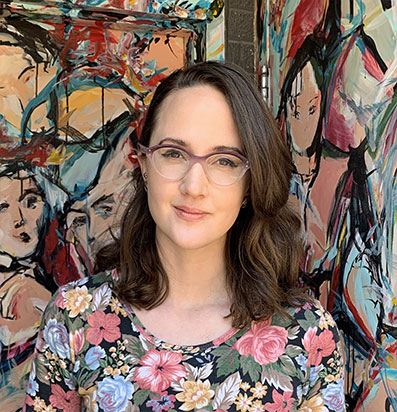
Cressida Frey
MSW, RSW (she/her) Registered Social WorkerAreas of focus:
- Children, Adolescents and Adults
- Violence, Trauma and Healing
- Stress and Anxiety

Derek Cassidy
MSW, RSW
(he/him/they/them)
Registered Social Worker
Areas of focus:
- Relationships and Attachment
- Complex, Relational Trauma
- Sexuality and Sexual Health
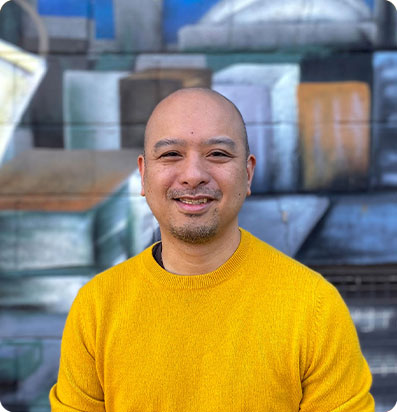
Jesmen Mendoza
C.Psych. (he/him) Adjunct PsychologistAreas of focus:
- Complex Mental Health
- Consultation

Jett Peters
MSW Candidate
(they/them)
Student Therapist
Areas of focus:
- Gender Identity
- Relationship(s) with Food & Body
- Trauma

Kathryn Bargis
MSc, RP (she/her) Registered PsychotherapistAreas of focus:
- Relationships
- Trauma
- Gender and Sexual Identity

Maxine Bower
MSW, RSW (she/her) Registered Social WorkerAreas of focus:
- Attachment in Individuals and in Relationships
- Complex Trauma
- Deepening Connections

Nicholas Sorg
MSc, RP
(he/him)
Registered Psychotherapist
Areas of focus:
- Stress, Anxiety, and Depression
- Sexual Identity Development
- Alternative Relationships, Relationship and Family Stress

Rae Griffin-Carlson
MSW, RSW
(she/her)
Registered Social Worker
Areas of focus:
- 2SLGBTQIA+ Youth & Adults
- Stress, Anxiety & Depression
- Sexual & Gender-based Violence

Rahim Thawer
MSW, RSW
(he/him)
External Clinical Supervisor
Areas of focus:
- Identity Conflict & Shame
- Dating, Relationships, Single by Chance/Choice
- Sexualized Substance Use

Saadia Khan
BA (they/them) Administrative and Social Media Assistant
Stephanie Wu
RP, Professional Art Therapist
(they/them)
Registered Psychotherapist
Areas of focus:
- Intimate Partner Violence, Sexual Assault & Childhood Abuse
- Impacts of Oppression
- 2SLGBTQIA+ Youth & Adults