
We Are a Network of Queer and Trans-identified Mental Health Professionals Who Serve the 2SLGBTQIA Community
LGBTQ mental health counseling in Port Robinson is therapy designed by and for people in the 2SLGBTQIA+ community, grounded in an understanding that sexual orientation, gender identity, and lived queer experience shape mental health in specific ways. Umbrella Mental Health Network brings this specialized approach to Port Robinson and the surrounding region, offering registered psychotherapists and social workers who practice trauma-informed, anti-oppressive care centered on social justice values. Port Robinson is a small, historically rooted community in Niagara, and many people living there travel to access mental health services that truly understand their lives. Whether you are exploring your gender identity, processing trauma, navigating a relationship, or simply seeking a therapist who gets it, understanding what this counseling looks like matters. Here are five essential things to know. One of the foundational principles behind LGBTQ mental health counseling in Port Robinson through Umbrella is that your queerness, transness, or non-binary identity is never framed as pathology. Many 2SLGBTQIA+ people have had the painful experience of working with a therapist who, intentionally or not, treated their identity as something to overcome or resolve. That approach is the opposite of what Umbrella offers. Cultural safety means the therapist has done their own work to understand queer and trans experience, knows the history of medical and psychiatric harm against LGBTQ+ communities, and actively works against that legacy. Because you are in a safe space, you can actually work on what brought you in: the grief, the anxiety, the relational patterns, the trauma--not your identity. The therapist's job is to meet you where you are and help you move forward as your authentic self. Trauma is not always one dramatic event. For many 2SLGBTQIA+ people, trauma is woven through lived experience: childhood rejection, healthcare discrimination, workplace harassment, or the daily stress of navigating a world not built for you. This is called minority stress, and it accumulates. Trauma-informed therapy recognizes this cumulative weight. Rather than asking "What is wrong with you?" the framework asks "What happened to you?" and "How has the world's response to your identity affected your nervous system?" Umbrella's therapists understand that PTSD, anxiety, and depression in LGBTQ+ clients often have roots in both individual events and systemic oppression. Treatment addresses both, using evidence-based methods like somatic work and narrative therapy that help your body and mind process what you have carried. This is why many people in Port Robinson and beyond specifically seek out counselors trained in this model. Some therapeutic needs are unique to or particularly complex within the LGBTQ+ community. Umbrella offers several specialized areas that reflect real life stages and decisions many 2SLGBTQIA+ people navigate. Gender identity exploration is one. If you are questioning your gender, whether you are a young person just beginning to understand yourself or an adult recognizing something you have always felt, therapy can be a space to sit with that without pressure or judgment. Couples therapy and ethical non-monogamy (ENM) counseling serve people whose relationships do not fit traditional models--whether you are a same-sex couple, a polyamorous constellation, or exploring kink and sexual communication. Trauma and PTSD treatment is tailored to recognize how oppression and violence intersect with personal history. Youth and young adult counseling specifically addresses the developmental questions facing people under 30 who are exploring identity in a digital age and complex social landscape. Because these are real areas where many people in Port Robinson need support, having a therapist who specializes means deeper, more relevant care. You are not just queer or trans--you are also racialized, classed, gendered, disabled, or carrying multiple identities at once. Anti-oppressive therapy means the counselor actively works to understand how these intersections shape your experience and does not treat you as a checkbox or a single identity. Decolonized practice is a related commitment. It means Umbrella therapists recognize the colonial history embedded in psychology itself and question what "normal" or "healthy" means when those frameworks were built by and for settler, white, cishet communities. For Two-Spirit clients and other Indigenous 2SLGBTQIA+ people, this matters deeply. For racialized and immigrant LGBTQ+ folks, it means your therapist does not assume your family dynamics or cultural context match a white Western model. Feminism and sex-positivity round out this approach, meaning conversations about your body, sexuality, and desires are grounded in consent, pleasure, and autonomy rather than shame or control. This is the kind of counseling that lets you be whole. Port Robinson is quieter and more spread out than downtown Toronto or larger urban centers in the GTA. For people living there, access to specialized mental health support can feel distant. Umbrella Mental Health Network serves Port Robinson and the broader Greater Toronto Area, meaning you do not have to travel to the city to work with a therapist who understands LGBTQ+ mental health. Whether you are accessing services in person or exploring virtual options, the existence of this counseling locally makes ongoing care possible. Being part of a smaller community also means privacy can feel complicated. Working with a practice that understands discretion and confidentiality as core values is essential. Umbrella's commitment to anti-oppressive practice includes respecting the specific vulnerabilities that can come with being visibly queer in a tight-knit area. If you are in Port Robinson or the surrounding region and looking for LGBTQ mental health counseling that honors your identity, addresses your specific experiences, and grounds itself in genuine social justice values, reaching out to Umbrella Mental Health Network is a next step worth taking. You can connect with them to learn more about their approach and find a therapist who feels like the right fit for you. LGBTQ-specialized therapy centers the reality that sexual orientation, gender identity, and queer experience shape mental health in specific ways. Therapists trained in this area understand systemic oppression, cultural contexts, and unique life experiences like gender exploration or ethical non-monogamy. Rather than treating your identity as the problem, they work with you on what brought you in--trauma, anxiety, relationships--while affirming who you are. Umbrella Mental Health Network serves Port Robinson and the Greater Toronto Area through both in-person and virtual sessions. You do not need to travel to a larger city to access specialized, trauma-informed counseling from registered psychotherapists and social workers trained in queer and trans-affirming care. Trauma-informed therapy asks 'What happened to you?' rather than 'What is wrong with you?' For many 2SLGBTQIA+ people, trauma includes both individual events and cumulative minority stress from living in a world that does not fully accept them. This approach helps your nervous system process both personal and systemic harm using evidence-based methods. Yes. Umbrella offers couples therapy and ethical non-monogamy (ENM) counseling specifically designed for same-sex couples, polyamorous constellations, and people exploring alternative relationship structures. Therapists understand consent-based sexuality and help partners navigate communication, boundaries, and intimacy. Absolutely. Gender and sexual identity exploration is one of Umbrella's core areas of specialization. Whether you are a young person just beginning to understand yourself or an adult recognizing something you have always felt, therapy provides a space to sit with that exploration without pressure or judgment. Anti-oppressive therapy actively examines how racism, classism, ableism, and other systems of power shape your experience. It means your therapist does not treat you as a single identity but understands your intersections. Decolonized practice goes further, questioning the colonial roots of psychology itself and centering the wisdom of your own community and culture.Lgbtq Mental Health Counseling Port Robinson
1. Cultural Safety Means Your Identity Is Not the Problem Being Fixed
2. Trauma-Informed Care Recognizes How Systemic Oppression Shapes Your Mental Health
3. Specialized Services Address Queer-Specific Life Areas
4. Anti-Oppressive and Decolonized Practice Means Intersectionality Is Centered
5. Accessibility and Presence Matter in a Smaller Community
Frequently Asked Questions
What makes LGBTQ mental health counseling different from general therapy?
Is there LGBTQ mental health counseling available specifically in Port Robinson?
What is trauma-informed therapy, and why does it matter for LGBTQ+ people?
Does Umbrella work with couples and non-traditional relationship structures?
Can I work with a therapist if I am still exploring my gender or sexual identity?
What does anti-oppressive practice actually mean in counseling?

Acknowledgement
Tkaronto and the surrounding areas that we serve are within the Dish With One Spoon Territory. The Dish With One Spoon is a treaty between the Anishinaabe, Mississaugas and Haudenosaunee that bound them to share the territory and protect the land. Subsequent Indigenous Nations and Peoples, Europeans and all newcomers have been invited into this treaty in the spirit of peace, friendship and respect.
We at Umbrella recognize that the professions of psychology, psychotherapy, and social work have roots in colonial violence. As psychotherapists and social workers, we understand that we have a responsibility to continuously work to decolonize the practice of psychotherapy/social work and acknowledge the origins of the various healing practices we utilize.
Our therapists actively engage in regular training that emphasizes professional development, team support, and sharing the current knowledge in 2SLGBTQIA mental health, to ensure the highest level of care for our clients.
Meet Our Team

Christopher Shillington
MA, CCC, RP
(they/them)
Clinic Director/ Registered Psychotherapist
Areas of focus:
- Healthy Relationships
- Intersectional Identities
- Trauma & PTSD

Andrés Gayoso Descalzi
MSW,RSW
(he/him)
Registered Social Worker
Areas of focus:
- Gender Identity & Embodiment
- Life Changes & Transitions
- 2SLGBTQIA+ Youth & Families

Aysha Natsheh
MSW, RSW
Registered Social Worker
Areas of focus:
- Food, Body, Self-Image
- Trauma
- Gender & Sexual Identity

Bushra Ahmed
MSW, RSW
Registered Social Worker
Areas of focus:
- 2SLGBTQIA+ Youth
- Exploring Neurodivergent Identities
- Impact of Oppression & Trauma on Mental Health

Clara Doucette
MA, RP (Qualifying)
(she/her)
Registered Psychotherapist (Qualifying)
Areas of focus:
- Relational Styles & Attachment
- Friendships & Kinship
- Stress
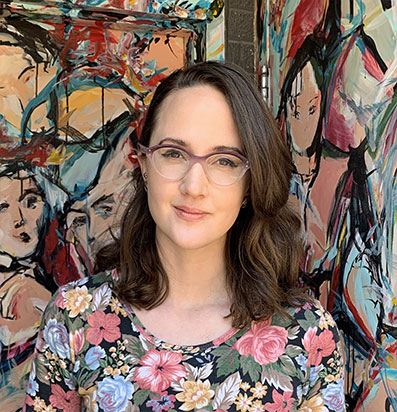
Cressida Frey
MSW, RSW (she/her) Registered Social WorkerAreas of focus:
- Children, Adolescents and Adults
- Violence, Trauma and Healing
- Stress and Anxiety

Derek Cassidy
MSW, RSW
(he/him/they/them)
Registered Social Worker
Areas of focus:
- Relationships and Attachment
- Complex, Relational Trauma
- Sexuality and Sexual Health
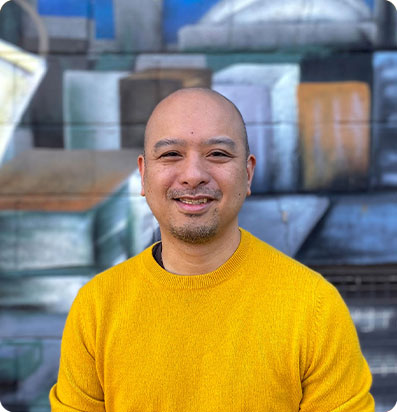
Jesmen Mendoza
C.Psych. (he/him) Adjunct PsychologistAreas of focus:
- Complex Mental Health
- Consultation

Jett Peters
MSW Candidate
(they/them)
Student Therapist
Areas of focus:
- Gender Identity
- Relationship(s) with Food & Body
- Trauma

Kathryn Bargis
MSc, RP (she/her) Registered PsychotherapistAreas of focus:
- Relationships
- Trauma
- Gender and Sexual Identity

Maxine Bower
MSW, RSW (she/her) Registered Social WorkerAreas of focus:
- Attachment in Individuals and in Relationships
- Complex Trauma
- Deepening Connections

Nicholas Sorg
MSc, RP
(he/him)
Registered Psychotherapist
Areas of focus:
- Stress, Anxiety, and Depression
- Sexual Identity Development
- Alternative Relationships, Relationship and Family Stress

Rae Griffin-Carlson
MSW, RSW
(she/her)
Registered Social Worker
Areas of focus:
- 2SLGBTQIA+ Youth & Adults
- Stress, Anxiety & Depression
- Sexual & Gender-based Violence

Rahim Thawer
MSW, RSW
(he/him)
External Clinical Supervisor
Areas of focus:
- Identity Conflict & Shame
- Dating, Relationships, Single by Chance/Choice
- Sexualized Substance Use

Saadia Khan
BA (they/them) Administrative and Social Media Assistant
Stephanie Wu
RP, Professional Art Therapist
(they/them)
Registered Psychotherapist
Areas of focus:
- Intimate Partner Violence, Sexual Assault & Childhood Abuse
- Impacts of Oppression
- 2SLGBTQIA+ Youth & Adults