
We Are a Network of Queer and Trans-identified Mental Health Professionals Who Serve the 2SLGBTQIA Community
LGBTQ mental health counseling in Otterville connects queer and trans individuals with therapists who understand both the clinical dimensions of mental health and the lived experience of navigating identity, relationships, and trauma within a society not built for you. Umbrella Mental Health Network brings this approach to Otterville and the Greater Toronto Area, offering specialized psychotherapy grounded in social justice, anti-oppressive practice, and genuine affirmation of 2SLGBTQIA identities. Standard therapy often misses critical context. A therapist unfamiliar with queer and trans experience may pathologize aspects of identity that are healthy, or fail to recognize how systemic oppression shows up as depression or anxiety. Umbrella's registered psychotherapists and social workers center the specific realities of LGBTQ individuals: coming out processes, family rejection, medical trauma, workplace discrimination, and the cumulative weight of living in a culture that frequently denies or minimizes your existence. Umbrella also operates from frameworks that most mainstream practices do not. That means trauma-informed care that recognizes how oppression itself can be traumatic. Anti-oppressive practice that does not treat marginalized identity as pathology. Feminist and social justice values that connect individual healing to systemic change. For people in Otterville seeking this depth, the alternative is often traveling into Toronto proper or receiving generic therapy that misses the point. Umbrella serves several overlapping groups. Transgender and non-binary individuals exploring gender identity or navigating medical transition benefit from therapists who understand both the psychological dimensions and the practical realities of transition care. Queer couples and those in ethical non-monogamy structures find couples therapy that does not assume heteronormative relationship models. Trauma survivors, particularly those whose trauma intersects with sexual violence, religious abuse, or family rejection rooted in homophobia or transphobia, work with clinicians trained in trauma recovery and equipped to hold that complexity. Young people and young adults questioning their sexuality or gender find a space free of conversion therapy logic or pathologizing language. Those managing anxiety and depression alongside the stress of being LGBTQ in contexts where that identity feels unsafe. And people interested in sexual health and kink exploration work with therapists who are sex-positive and do not treat desire or alternative sexuality as dysfunction. It begins with recognizing that oppression is not a backdrop to individual problems; it is often the source. A person in Otterville experiencing panic attacks may be managing constant low-level threat of disclosure at work or in their neighborhood. A trans person's depression may reflect legitimate responses to a world that denies access to affirming healthcare and community. Trauma-informed practice means assessing and addressing these realities rather than teaching someone to tolerate an oppressive situation as if acceptance is the goal. Anti-oppressive practice also means Umbrella's therapists examine their own power, biases, and professional privilege. It means centering the client's expertise about their own life and identity. It means refusing to medicalize queerness or transness as something requiring cure. In practical terms, this shows up as therapists who use correct names and pronouns without requiring explanation, who validate your identity as inherently healthy, and who see your survival and resilience as real strength rather than denial of pathology. Couples therapy at Umbrella moves beyond conflict resolution into affirming relationship structures that mainstream practice often cannot hold. That includes queer partnerships, polyamorous and ethically non-monogamous relationships, and configurations that do not fit traditional marriage models. Therapists work with the actual structure you have chosen, not imposing heteronormative assumptions about exclusivity or commitment. Gender identity exploration happens in a space explicitly free of gatekeeping. Unlike medical models that require a diagnosis before supporting transition, Umbrella's approach assumes your questions about gender are valid regardless of where they lead. Whether you are exploring a shift in pronouns, considering medical transition, or simply working through gender expression in a body and society that may not feel aligned with your sense of self, this work unfolds at your pace with professional support. If you live in Otterville or the surrounding area and are looking for mental health support that actually fits who you are, Umbrella Mental Health Network is here. Reach out to learn more about how therapy can help you move through trauma, solidify your identity, strengthen your relationships, or simply find more room to be yourself. There is no shame in needing support, and you deserve a therapist who gets it. Umbrella Mental Health Network provides specialized LGBTQ mental health counseling serving Otterville and the Greater Toronto Area. Our registered psychotherapists and social workers offer in-person and virtual options for clients across the region. Trauma-informed therapy recognizes how oppression, discrimination, and marginalization can cause deep psychological harm. For LGBTQ individuals, this means therapists understand that anxiety, depression, and hypervigilance often reflect real responses to real threats, not personal dysfunction. Healing involves both individual processing and validation of your legitimate experience. Yes. Umbrella specializes in couples therapy for queer partnerships, including ethical non-monogamy, polyamorous, and other alternative relationship structures. Our therapists do not impose heteronormative assumptions about what a healthy relationship looks like. Anti-oppressive practice means refusing to pathologize marginalized identity, centering the client's expertise about their own life, examining therapist bias and power, and connecting individual healing to systemic change. It means your queerness or transness is treated as inherently healthy, not as something requiring cure. Yes. Umbrella's approach to gender identity exploration is grounded in affirmation, not gatekeeping. Whether you are questioning pronouns, considering transition, or working through gender expression, exploration happens at your pace with professional support and no diagnostic requirement. Real affirmation shows up in action: therapists use your correct name and pronouns without requiring explanation, validate your identity as inherently healthy, do not treat queerness as pathology, and center your own understanding of your experience. Umbrella's team is trained in trauma-informed, anti-oppressive practice that goes beyond performative allyship. Umbrella has expertise in treating trauma that intersects with sexuality, gender identity, and systemic oppression, including religious trauma and family rejection. Our therapists recognize how these experiences leave deep wounds and provide specialized trauma recovery in a fully affirming environment.Lgbtq Mental Health Counseling Otterville
What makes culturally competent mental health care different for LGBTQ people in Otterville?
Who in Otterville benefits most from this counseling?
What does trauma-informed, anti-oppressive practice look like in session?
How does Umbrella address specific needs like couples therapy and gender exploration in Otterville?
Frequently Asked Questions
Is there LGBTQ mental health counseling available specifically in Otterville?
What is trauma-informed therapy and why does it matter for LGBTQ clients?
Do you offer couples counseling for same-sex and non-monogamous relationships?
What does anti-oppressive practice mean in mental health counseling?
Can I explore my gender identity without being diagnosed or gatekept?
How do I know if a therapist is actually affirming versus just saying the right words?
What if I am dealing with trauma related to religious abuse or family rejection around my LGBTQ identity?

Acknowledgement
Tkaronto and the surrounding areas that we serve are within the Dish With One Spoon Territory. The Dish With One Spoon is a treaty between the Anishinaabe, Mississaugas and Haudenosaunee that bound them to share the territory and protect the land. Subsequent Indigenous Nations and Peoples, Europeans and all newcomers have been invited into this treaty in the spirit of peace, friendship and respect.
We at Umbrella recognize that the professions of psychology, psychotherapy, and social work have roots in colonial violence. As psychotherapists and social workers, we understand that we have a responsibility to continuously work to decolonize the practice of psychotherapy/social work and acknowledge the origins of the various healing practices we utilize.
Our therapists actively engage in regular training that emphasizes professional development, team support, and sharing the current knowledge in 2SLGBTQIA mental health, to ensure the highest level of care for our clients.
Meet Our Team

Christopher Shillington
MA, CCC, RP
(they/them)
Clinic Director/ Registered Psychotherapist
Areas of focus:
- Healthy Relationships
- Intersectional Identities
- Trauma & PTSD

Andrés Gayoso Descalzi
MSW,RSW
(he/him)
Registered Social Worker
Areas of focus:
- Gender Identity & Embodiment
- Life Changes & Transitions
- 2SLGBTQIA+ Youth & Families

Aysha Natsheh
MSW, RSW
Registered Social Worker
Areas of focus:
- Food, Body, Self-Image
- Trauma
- Gender & Sexual Identity

Bushra Ahmed
MSW, RSW
Registered Social Worker
Areas of focus:
- 2SLGBTQIA+ Youth
- Exploring Neurodivergent Identities
- Impact of Oppression & Trauma on Mental Health

Clara Doucette
MA, RP (Qualifying)
(she/her)
Registered Psychotherapist (Qualifying)
Areas of focus:
- Relational Styles & Attachment
- Friendships & Kinship
- Stress
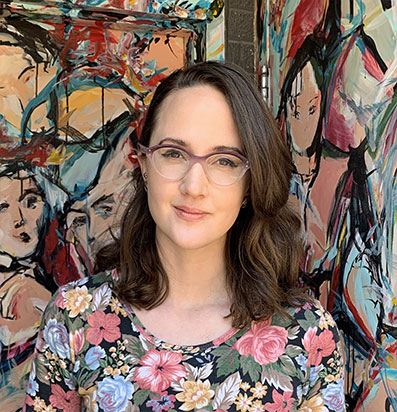
Cressida Frey
MSW, RSW (she/her) Registered Social WorkerAreas of focus:
- Children, Adolescents and Adults
- Violence, Trauma and Healing
- Stress and Anxiety

Derek Cassidy
MSW, RSW
(he/him/they/them)
Registered Social Worker
Areas of focus:
- Relationships and Attachment
- Complex, Relational Trauma
- Sexuality and Sexual Health
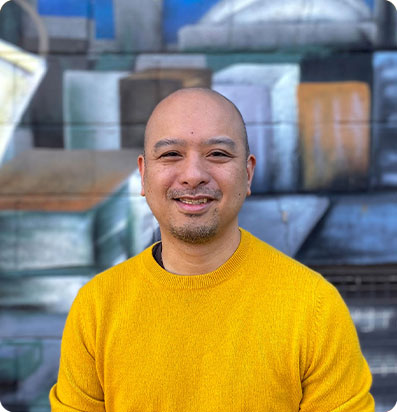
Jesmen Mendoza
C.Psych. (he/him) Adjunct PsychologistAreas of focus:
- Complex Mental Health
- Consultation

Jett Peters
MSW Candidate
(they/them)
Student Therapist
Areas of focus:
- Gender Identity
- Relationship(s) with Food & Body
- Trauma

Kathryn Bargis
MSc, RP (she/her) Registered PsychotherapistAreas of focus:
- Relationships
- Trauma
- Gender and Sexual Identity

Maxine Bower
MSW, RSW (she/her) Registered Social WorkerAreas of focus:
- Attachment in Individuals and in Relationships
- Complex Trauma
- Deepening Connections

Nicholas Sorg
MSc, RP
(he/him)
Registered Psychotherapist
Areas of focus:
- Stress, Anxiety, and Depression
- Sexual Identity Development
- Alternative Relationships, Relationship and Family Stress

Rae Griffin-Carlson
MSW, RSW
(she/her)
Registered Social Worker
Areas of focus:
- 2SLGBTQIA+ Youth & Adults
- Stress, Anxiety & Depression
- Sexual & Gender-based Violence

Rahim Thawer
MSW, RSW
(he/him)
External Clinical Supervisor
Areas of focus:
- Identity Conflict & Shame
- Dating, Relationships, Single by Chance/Choice
- Sexualized Substance Use

Saadia Khan
BA (they/them) Administrative and Social Media Assistant
Stephanie Wu
RP, Professional Art Therapist
(they/them)
Registered Psychotherapist
Areas of focus:
- Intimate Partner Violence, Sexual Assault & Childhood Abuse
- Impacts of Oppression
- 2SLGBTQIA+ Youth & Adults