
We Are a Network of Queer and Trans-identified Mental Health Professionals Who Serve the 2SLGBTQIA Community
Finding LGBTQ mental health counseling in Mount Hope means connecting with therapists who understand your lived experience without requiring you to educate them about your identity, relationships, or community. Umbrella Mental Health Network brings together registered psychotherapists and social workers trained in trauma-informed, anti-oppressive care specifically for the 2SLGBTQIA community across Toronto and the Greater Toronto Area, including Mount Hope and surrounding neighborhoods. This guide walks you through accessing culturally competent mental health support that honors your identity and addresses your unique needs. Before reaching out to any provider, take time to identify what brings you to seek support right now. Are you processing trauma or grief? Exploring your gender identity or sexual orientation? Navigating relationship challenges or considering alternative relationship structures like ethical non-monogamy? Struggling with anxiety, depression, or other mental health concerns? Looking for support as a youth or young adult during a formative time? Being clear about your primary concern helps you and your therapist focus your work together, though good therapy often opens doors to areas you did not initially expect to explore. Write down a few sentences about what prompted your search for LGBTQ mental health counseling in Mount Hope right now. Include any previous therapy experiences-what helped, what did not, and what you need differently this time. Consider whether you prefer individual therapy, couples work, or family counseling. Umbrella offers all of these modalities, and knowing your preference makes the conversation clearer when you make contact. Not all LGBTQ-identified therapists have the same expertise, and that matters. Some specialize in trauma recovery and PTSD using evidence-based approaches. Others focus on gender identity exploration with the nuance that identity work requires. Still others center their practice on couples therapy and ethical non-monogamy counseling, understanding that queer relationships often operate outside heteronormative frameworks. Umbrella Mental Health Network brings together clinicians with deep expertise across trauma, gender exploration, couples dynamics, youth counseling, and sexual health-all grounded in feminist, sex-positive, and social justice values that recognize the interconnection between personal healing and structural oppression. When you reach out to explore therapy in Mount Hope, ask specifically about the therapist's experience with your presenting issue. If you are a trauma survivor, ask about their training in trauma-informed care and specific modalities they use. If you are exploring gender identity, ask how they approach that work and whether they see identity exploration as an ongoing process rather than a destination. If you are in a queer relationship or considering ethical non-monogamy, confirm they have real experience with those relationship structures, not just theoretical knowledge. This specificity ensures you get someone equipped to do meaningful work with you. Competence around LGBTQ+ identity is table stakes, not a specialty. What distinguishes Umbrella's approach is their commitment to anti-oppressive practice grounded in decolonization, feminism, and social justice. This means therapists understand how racism, colonialism, ableism, poverty, and other forms of systemic oppression shape your mental health and lived experience. They do not pathologize your identity, your relationships, or your sexuality. They do not require you to adopt heteronormative or cisnormative frameworks to be seen as healthy. They recognize that sometimes your distress is a rational response to an irrational and oppressive world, not a personal defect to be fixed. When exploring options for LGBTQ mental health counseling in Mount Hope, pay attention to how providers talk about identity, sexuality, and relationships. Do they use affirmative language? Do they center your expertise about your own life? Do they acknowledge systemic oppression as real and relevant to mental health? Do they appear genuinely curious about your community and culture, or are they applying a generic LGBTQ framework that erases difference? Umbrella's practice is built on these values, not added on as an afterthought. Therapy only works if you actually go. This means considering practical logistics: Are sessions offered at times that fit your schedule? Is the location accessible to you, whether that means physical accessibility, proximity to Mount Hope or your workplace, or online options? Can you afford the service? Do you have insurance coverage or access to employee assistance programs that might subsidize care? Beyond logistics, therapeutic fit matters enormously. You need to feel safe, seen, and respected by your therapist. Some people click immediately; others need a session or two to settle in. Trust your gut. A good therapist will welcome you taking time to decide if the fit is right. Umbrella operates across Toronto and the Greater Toronto Area, making it accessible to Mount Hope residents. When you reach out, be honest about your needs and constraints. Good practitioners adjust. They offer flexibility where possible and work transparently about what they can and cannot accommodate. If you have had negative therapy experiences before, mention that. Umbrella's trauma-informed approach means they understand how previous therapeutic ruptures can shape your current wariness, and they will move at a pace that honors your readiness. Reaching out is often the hardest step. You are vulnerable, uncertain, and may have been hurt by providers before. That is normal. When you contact Umbrella Mental Health Network, you are speaking with clinicians who expect this hesitation and will not judge it. In your initial conversation, you do not need to have everything figured out. You can say, "I am not sure exactly what I need, but I know I need support." You can ask questions about approach, experience, and how the therapist thinks about your concerns. You can express preferences about demographics, style, or modality. You can ask for time to think it over. The first real session is often called an intake or assessment, though good therapists make it conversational rather than clinical. You will share your history, current concerns, and what you hope to get from therapy. The therapist will ask questions to understand your context and begin building a formulation of how to help. This session is also for you to assess whether this is the right fit. You are allowed to say no. You are also allowed to give it a few sessions before deciding. Trust usually builds gradually, especially for folks with trauma histories. If you are in Mount Hope and looking for mental health support grounded in genuine understanding of LGBTQ+ identity and experience, Umbrella Mental Health Network brings together the expertise, values, and commitment to anti-oppressive care that makes healing possible. Reach out to begin a conversation about what you need and how therapy might support you. There is no pressure, no judgment, and no expectation that you have it all figured out before you call. Yes. Umbrella Mental Health Network serves Mount Hope and the broader Greater Toronto Area with registered psychotherapists and social workers trained in trauma-informed, affirming care for the 2SLGBTQIA community. We offer individual psychotherapy, couples therapy, trauma treatment, gender identity exploration, and youth counseling grounded in feminist and social justice values. Affirmative LGBTQ mental health counseling centers your identity as valid and healthy rather than something to be changed or pathologized. Our therapists understand how systemic oppression affects mental health, do not require heteronormative or cisnormative frameworks, and bring specific expertise in queer relationships, sexual health, gender exploration, and trauma recovery within LGBTQ+ communities. Look for specific experience with your presenting issue-trauma, gender identity, couples work, or youth counseling-rather than just an LGBTQ label. Ask how they approach anti-oppressive practice, whether they understand systemic oppression, and how they think about identity and sexuality. Umbrella's clinicians bring documented training across these areas and ground their work in feminist, decolonial, and sex-positive values.Lgbtq Mental Health Counseling Mount Hope
Step 1: Clarify What You Are Looking For in Therapy
Step 2: Verify the Therapist Is Trained in Your Specific Area of Need
Step 3: Assess Cultural Competence and Anti-Oppressive Practice
Step 4: Check Access, Logistics, and Therapeutic Fit
Step 5: Make Contact and Have an Initial Conversation
Frequently Asked Questions
Is there LGBTQ mental health counseling available in Mount Hope?
What makes LGBTQ mental health counseling different from general therapy?
How do I know if a therapist in Mount Hope is actually trained in working with LGBTQ clients?

Acknowledgement
Tkaronto and the surrounding areas that we serve are within the Dish With One Spoon Territory. The Dish With One Spoon is a treaty between the Anishinaabe, Mississaugas and Haudenosaunee that bound them to share the territory and protect the land. Subsequent Indigenous Nations and Peoples, Europeans and all newcomers have been invited into this treaty in the spirit of peace, friendship and respect.
We at Umbrella recognize that the professions of psychology, psychotherapy, and social work have roots in colonial violence. As psychotherapists and social workers, we understand that we have a responsibility to continuously work to decolonize the practice of psychotherapy/social work and acknowledge the origins of the various healing practices we utilize.
Our therapists actively engage in regular training that emphasizes professional development, team support, and sharing the current knowledge in 2SLGBTQIA mental health, to ensure the highest level of care for our clients.
Meet Our Team

Christopher Shillington
MA, CCC, RP
(they/them)
Clinic Director/ Registered Psychotherapist
Areas of focus:
- Healthy Relationships
- Intersectional Identities
- Trauma & PTSD

Andrés Gayoso Descalzi
MSW,RSW
(he/him)
Registered Social Worker
Areas of focus:
- Gender Identity & Embodiment
- Life Changes & Transitions
- 2SLGBTQIA+ Youth & Families

Aysha Natsheh
MSW, RSW
Registered Social Worker
Areas of focus:
- Food, Body, Self-Image
- Trauma
- Gender & Sexual Identity

Bushra Ahmed
MSW, RSW
Registered Social Worker
Areas of focus:
- 2SLGBTQIA+ Youth
- Exploring Neurodivergent Identities
- Impact of Oppression & Trauma on Mental Health

Clara Doucette
MA, RP (Qualifying)
(she/her)
Registered Psychotherapist (Qualifying)
Areas of focus:
- Relational Styles & Attachment
- Friendships & Kinship
- Stress
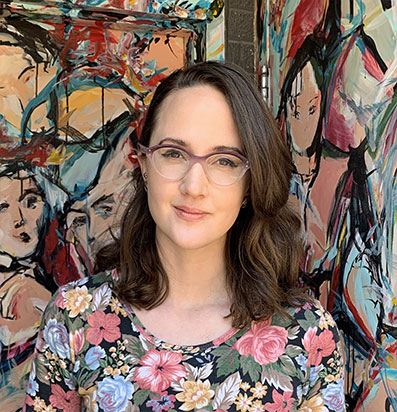
Cressida Frey
MSW, RSW (she/her) Registered Social WorkerAreas of focus:
- Children, Adolescents and Adults
- Violence, Trauma and Healing
- Stress and Anxiety

Derek Cassidy
MSW, RSW
(he/him/they/them)
Registered Social Worker
Areas of focus:
- Relationships and Attachment
- Complex, Relational Trauma
- Sexuality and Sexual Health
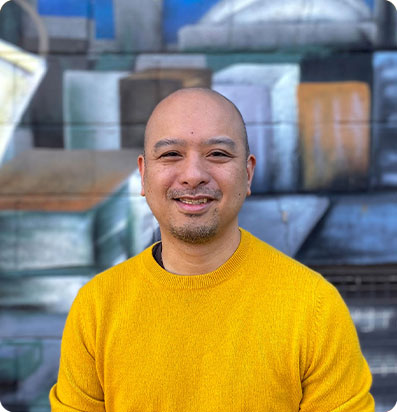
Jesmen Mendoza
C.Psych. (he/him) Adjunct PsychologistAreas of focus:
- Complex Mental Health
- Consultation

Jett Peters
MSW Candidate
(they/them)
Student Therapist
Areas of focus:
- Gender Identity
- Relationship(s) with Food & Body
- Trauma

Kathryn Bargis
MSc, RP (she/her) Registered PsychotherapistAreas of focus:
- Relationships
- Trauma
- Gender and Sexual Identity

Maxine Bower
MSW, RSW (she/her) Registered Social WorkerAreas of focus:
- Attachment in Individuals and in Relationships
- Complex Trauma
- Deepening Connections

Nicholas Sorg
MSc, RP
(he/him)
Registered Psychotherapist
Areas of focus:
- Stress, Anxiety, and Depression
- Sexual Identity Development
- Alternative Relationships, Relationship and Family Stress

Rae Griffin-Carlson
MSW, RSW
(she/her)
Registered Social Worker
Areas of focus:
- 2SLGBTQIA+ Youth & Adults
- Stress, Anxiety & Depression
- Sexual & Gender-based Violence

Rahim Thawer
MSW, RSW
(he/him)
External Clinical Supervisor
Areas of focus:
- Identity Conflict & Shame
- Dating, Relationships, Single by Chance/Choice
- Sexualized Substance Use

Saadia Khan
BA (they/them) Administrative and Social Media Assistant
Stephanie Wu
RP, Professional Art Therapist
(they/them)
Registered Psychotherapist
Areas of focus:
- Intimate Partner Violence, Sexual Assault & Childhood Abuse
- Impacts of Oppression
- 2SLGBTQIA+ Youth & Adults