
We Are a Network of Queer and Trans-identified Mental Health Professionals Who Serve the 2SLGBTQIA Community
LGBTQ Mental Health Counseling Ingersoll connects 2SLGBTQIA individuals and families in this close-knit Oxford County community with culturally competent, trauma-informed care delivered by Umbrella Mental Health Network. The practice serves people across the Greater Toronto Area, including those in Ingersoll and surrounding regions, offering individual psychotherapy, couples therapy, and specialized support for gender identity exploration and trauma recovery. Ingersoll is a welcoming mid-sized town with a strong community fabric, but LGBTQ+ residents and families often face a particular tension: the desire for local, accessible care paired with the reality that truly specialized, affirming mental health services remain scarce outside major urban centers. Many people in Ingersoll report having to travel significant distances to access therapists who understand the complexity of queer and trans experience, or who can hold space for conversations about gender identity, non-traditional relationships, or trauma recovery without inadvertent harm. One client-a non-binary person in their late twenties who had moved to Ingersoll for work-described the isolation of seeking mental health support locally. They had experienced complex trauma and were exploring their gender identity, but initial attempts to find a therapist in the area resulted in interactions that felt surface-level or, at worst, subtly pathologizing. The distance between Ingersoll and Toronto mental health services meant that regular in-person therapy was logistically difficult and expensive. They needed a provider who combined genuine expertise in gender-affirming care and trauma treatment with accessibility and flexibility-ideally someone who understood that therapy could be delivered in ways that worked with their schedule and geography. Umbrella Mental Health Network addressed this need through a multi-layered approach that recognizes how Ingersoll residents benefit from both local connection and access to specialized expertise. The practice brings together registered psychotherapists and social workers trained in trauma recovery, gender-affirming care, and anti-oppressive practice. Rather than offering generic talk therapy, Umbrella's clinicians work from an explicit framework grounded in feminism, social justice, decolonization, and sex-and-kink positivity-values that shape how they listen and respond. For this client, the work began with a thorough assessment that did not separate their trauma history from their gender identity exploration, but treated them as interconnected dimensions of the same person. The therapist used evidence-based approaches to trauma recovery while creating explicit space for identity work. Because complex trauma can become entangled with questions of safety, embodiment, and self-concept, the treatment plan integrated both threads rather than addressing them sequentially. Sessions explored how past experiences shaped present self-understanding, and how affirming one's gender and sexuality could itself be part of healing. Practically, this also meant flexibility in how care was delivered. Recognizing that someone in Ingersoll might not be able to attend in-person sessions weekly, Umbrella offered a hybrid arrangement-combining some virtual sessions with periodic in-person work that could be scheduled efficiently. This accessibility matters not as a convenience but as a core principle: if specialized, affirming care is only available to those who can manage frequent travel, it remains out of reach for most LGBTQ+ people outside major urban centers. A key element of the intervention was creating safety for identity exploration without therapeutic pressure or predetermined outcomes. In some traditional mental health settings, therapy about gender identity can become a gatekeeping exercise-subtly (or overtly) evaluating whether someone's identity is "real enough" or pushing toward particular conclusions. Umbrella's approach inverts this: the therapist's role is to hold space for genuine self-discovery, informed by the understanding that gender and sexuality are lived experiences, not diagnostic categories. For this client, that meant exploring questions like: What feels true about my gender in my body right now? How does my trauma history intersect with my gender expression? What aspects of my identity feel most alive and authentic, and what gets suppressed by fear or internalized messaging? Over time, a clearer sense of gender identity emerged-not imposed from outside, but discovered through careful, supported reflection. The client also began to understand how certain trauma responses (disconnection from the body, difficulty with intimacy, hypervigilance in social situations) had been misinterpreted or unaddressed in previous therapeutic contexts, but made sense when viewed through the lens of their history. After approximately six months of consistent work, the client reported measurable shifts. Their trauma symptoms-particularly intrusive thoughts and hyperarousal-decreased noticeably. They felt more grounded in their body and more confident in their gender expression. Importantly, they began to experience their identity not as a problem to be solved, but as a dimension of themselves worth affirming. They made changes to how they presented at work and in their community in Ingersoll, came out to select friends and family members, and reported feeling more integrated rather than fractured. The therapeutic relationship itself became a corrective experience: having a clinician who consistently demonstrated that queer and trans life is not pathological, that trauma deserves skilled care, and that identity exploration is legitimate mental health work, created a new baseline for what support could feel like. The client went on to engage in affirming community spaces and developed a stronger sense of belonging-both to themselves and to the broader LGBTQ+ community, despite living in a smaller town. What made this possible was not magical thinking but the combination of specialized training, explicit values alignment, and practical accessibility. Umbrella Mental Health Network has designed its practice to ensure that people in Ingersoll and across the Greater Toronto Area do not have to choose between local rootedness and affirming, expert mental health care. The clinicians hold expertise in trauma recovery, gender-affirming practice, and couples therapy for LGBTQ+ families, grounded in understanding that one-size-fits-all mental health care fails the people who need it most. If you are looking for mental health support that honors your identity, understands trauma, and meets you where you are-whether you live in Ingersoll or another part of the Greater Toronto Area-Umbrella Mental Health Network offers initial consultations to explore whether their approach and availability align with your needs. You can reach out through their website to learn more and connect with a clinician. Yes. Umbrella Mental Health Network serves LGBTQ+ individuals and families across the Greater Toronto Area and surrounding regions, including Ingersoll. Services are available both in-person and virtually, allowing flexible access for people who may not be located in central Toronto. Trauma-informed therapy recognizes how past traumatic experiences shape current thoughts, feelings, and relationships, and approaches treatment with that understanding central to care. For LGBTQ+ clients, affirming therapy additionally means the therapist explicitly validates queer and trans identities, does not pathologize sexual orientation or gender expression, and integrates identity exploration into healing work. Because LGBTQ+ people experience higher rates of trauma due to stigma and discrimination, this combination is essential. Yes. Umbrella Mental Health Network offers virtual sessions in addition to in-person work, making care accessible for people across the Greater Toronto Area. Many clients benefit from a hybrid approach that combines virtual sessions with periodic in-person appointments. Umbrella provides both individual psychotherapy and specialized couples therapy and counseling for ENM (ethical non-monogamy) relationships. They also support queer families navigating unique challenges. Services are designed to address the full range of LGBTQ+ relational experiences. The best way to find out is to reach out for an initial consultation. Umbrella's clinicians are trained in trauma-informed, anti-oppressive practice grounded in social justice values, and they work with people across the gender and sexuality spectrum. If you are seeking affirming mental health care and want to explore whether their approach matches your needs, you can contact them directly through their website.Lgbtq Mental Health Counseling Ingersoll
The Challenge: Finding Affirming Mental Health Care in Ingersoll
Finding affirming mental health care is not simply about finding someone who uses correct pronouns. It requires a therapist grounded in social justice values, trained in trauma-informed practice, and equipped to hold the full complexity of queer and trans life without pathologizing it.
LGBTQ Mental Health Counseling Ingersoll: An Integrated Approach
Gender and Sexual Identity Exploration Within a Trauma-Informed Framework
Outcomes and Integration Into Life in Ingersoll
Frequently Asked Questions
Does Umbrella Mental Health Network serve clients in Ingersoll?
What is trauma-informed, affirming therapy and why does it matter for LGBTQ+ clients?
Can I do therapy virtually if I live in Ingersoll?
Does Umbrella work with couples and families, or only individuals?
How do I know if Umbrella Mental Health Network is the right fit for me?

Acknowledgement
Tkaronto and the surrounding areas that we serve are within the Dish With One Spoon Territory. The Dish With One Spoon is a treaty between the Anishinaabe, Mississaugas and Haudenosaunee that bound them to share the territory and protect the land. Subsequent Indigenous Nations and Peoples, Europeans and all newcomers have been invited into this treaty in the spirit of peace, friendship and respect.
We at Umbrella recognize that the professions of psychology, psychotherapy, and social work have roots in colonial violence. As psychotherapists and social workers, we understand that we have a responsibility to continuously work to decolonize the practice of psychotherapy/social work and acknowledge the origins of the various healing practices we utilize.
Our therapists actively engage in regular training that emphasizes professional development, team support, and sharing the current knowledge in 2SLGBTQIA mental health, to ensure the highest level of care for our clients.
Meet Our Team

Christopher Shillington
MA, CCC, RP
(they/them)
Clinic Director/ Registered Psychotherapist
Areas of focus:
- Healthy Relationships
- Intersectional Identities
- Trauma & PTSD

Andrés Gayoso Descalzi
MSW,RSW
(he/him)
Registered Social Worker
Areas of focus:
- Gender Identity & Embodiment
- Life Changes & Transitions
- 2SLGBTQIA+ Youth & Families

Aysha Natsheh
MSW, RSW
Registered Social Worker
Areas of focus:
- Food, Body, Self-Image
- Trauma
- Gender & Sexual Identity

Bushra Ahmed
MSW, RSW
Registered Social Worker
Areas of focus:
- 2SLGBTQIA+ Youth
- Exploring Neurodivergent Identities
- Impact of Oppression & Trauma on Mental Health

Clara Doucette
MA, RP (Qualifying)
(she/her)
Registered Psychotherapist (Qualifying)
Areas of focus:
- Relational Styles & Attachment
- Friendships & Kinship
- Stress
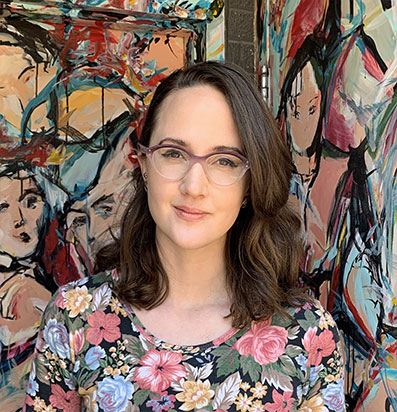
Cressida Frey
MSW, RSW (she/her) Registered Social WorkerAreas of focus:
- Children, Adolescents and Adults
- Violence, Trauma and Healing
- Stress and Anxiety

Derek Cassidy
MSW, RSW
(he/him/they/them)
Registered Social Worker
Areas of focus:
- Relationships and Attachment
- Complex, Relational Trauma
- Sexuality and Sexual Health
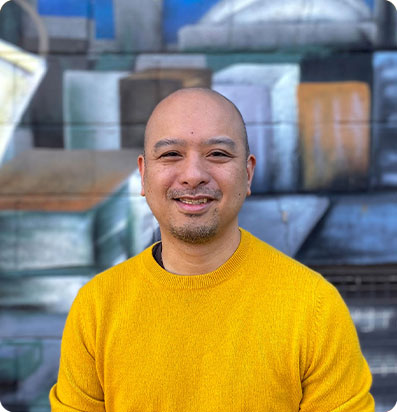
Jesmen Mendoza
C.Psych. (he/him) Adjunct PsychologistAreas of focus:
- Complex Mental Health
- Consultation

Jett Peters
MSW Candidate
(they/them)
Student Therapist
Areas of focus:
- Gender Identity
- Relationship(s) with Food & Body
- Trauma

Kathryn Bargis
MSc, RP (she/her) Registered PsychotherapistAreas of focus:
- Relationships
- Trauma
- Gender and Sexual Identity

Maxine Bower
MSW, RSW (she/her) Registered Social WorkerAreas of focus:
- Attachment in Individuals and in Relationships
- Complex Trauma
- Deepening Connections

Nicholas Sorg
MSc, RP
(he/him)
Registered Psychotherapist
Areas of focus:
- Stress, Anxiety, and Depression
- Sexual Identity Development
- Alternative Relationships, Relationship and Family Stress

Rae Griffin-Carlson
MSW, RSW
(she/her)
Registered Social Worker
Areas of focus:
- 2SLGBTQIA+ Youth & Adults
- Stress, Anxiety & Depression
- Sexual & Gender-based Violence

Rahim Thawer
MSW, RSW
(he/him)
External Clinical Supervisor
Areas of focus:
- Identity Conflict & Shame
- Dating, Relationships, Single by Chance/Choice
- Sexualized Substance Use

Saadia Khan
BA (they/them) Administrative and Social Media Assistant
Stephanie Wu
RP, Professional Art Therapist
(they/them)
Registered Psychotherapist
Areas of focus:
- Intimate Partner Violence, Sexual Assault & Childhood Abuse
- Impacts of Oppression
- 2SLGBTQIA+ Youth & Adults