
We Are a Network of Queer and Trans-identified Mental Health Professionals Who Serve the 2SLGBTQIA Community
LGBTQ mental health counseling in Grimsby connects you with registered psychotherapists who understand the specific challenges facing 2SLGBTQIA individuals and families. Umbrella Mental Health Network brings specialized, culturally competent care to Grimsby residents seeking support for trauma recovery, gender identity exploration, relationship concerns, and mental health concerns rooted in lived experience rather than pathology. Grimsby is a tight-knit waterfront community where many residents value connection and stability. Yet LGBTQ+ individuals and families in Grimsby often face a specific problem: local mental health resources may lack the specialized knowledge and explicit affirming stance necessary to address the intersection of identity, trauma, and mental wellbeing. Generic counseling-even well-intentioned-can miss the nuances of navigating transition, coming out, grief from community rejection, sexual trauma, or the complexities of chosen family structures and non-traditional relationships. A person in Grimsby exploring their gender identity might need more than general therapy; they need a practitioner grounded in contemporary gender theory who understands the medical, social, and psychological dimensions of transition without defaulting to outdated diagnostic frameworks. Someone processing trauma related to religious upbringing or family rejection needs a therapist trained in anti-oppressive practice who won't pathologize queerness itself. Umbrella Mental Health Network brings a rigorously developed clinical framework to residents of Grimsby seeking counseling. The practice employs registered psychotherapists and social workers trained in trauma-informed methodology-meaning they understand how oppression, discrimination, and violence alter the nervous system and require specialized healing approaches beyond standard talk therapy. The clinical model centers on four foundational commitments. First, anti-oppressive practice: therapists actively examine how systems of power affect mental health outcomes, rather than locating problems only within individuals. Second, feminism and social justice: care is rooted in structural analysis and collective healing, not just symptom management. Third, informed consent and sex/kink positivity: Umbrella clinicians support sexual self-determination and recognize diverse expressions of sexuality and intimacy as potentially healthy rather than pathological. Fourth, decolonization: the practice interrogates Western therapeutic assumptions and honors Indigenous and racialized worldviews. In practice, this means a trans or non-binary person in Grimsby works with someone who sees gender exploration as a valid and potentially healthy process, not a disorder to be corrected. A couple in an ethically non-monogamous relationship receives counseling from practitioners who understand relationship structures beyond heteronormative monogamy. Someone with complex PTSD from sexual violence gets trauma-specific treatment-somatic work, nervous system regulation, and processing-delivered with explicit validation that healing is possible. Consider a composite scenario: a 28-year-old non-binary person living in Grimsby came to counseling experiencing significant anxiety and social withdrawal. They had not come out broadly in their workplace or extended family, carried unprocessed grief from a rejecting parent, and felt confused about whether their anxiety was a diagnosis or a rational response to actual discrimination they faced. Over eighteen months of individual psychotherapy, this person worked through trauma processing using evidence-based methods, developed somatic tools to regulate their nervous system when dysphoria emerged, and built clarity about which relationships deserved their energy. They came out selectively, made intentional community connections in larger GTA networks, and reduced their anxiety medication in consultation with their doctor. The core shift: they moved from pathologizing their own response to oppression toward building a life structured around authentic identity and chosen community. Another example involved a queer couple in Grimsby navigating the decision to have a child together. They needed counseling that understood not only relationship dynamics but also the specific stressors facing queer parents-medical system navigation, legal recognition of both parents, potential family rejection, and grief work around biological limitations. Umbrella's expertise in queer family planning meant the therapist could help them process both the logistics and the emotional landscape simultaneously, something generic couples counseling would not address. Umbrella Mental Health Network provides individual psychotherapy for LGBTQ+ adults and youth exploring identity, processing trauma, or managing anxiety and depression through an affirming lens. Couples therapy and ethical non-monogamy counseling serve queer and trans partnerships navigating commitment, communication, and alternative relationship structures. Specialized trauma and PTSD treatment uses somatic and cognitive approaches grounded in understanding how oppression embeds trauma in the body. Gender and sexual identity exploration counseling supports people at any stage of transition or self-discovery-from initial questioning through medical transition through post-transition integration. Youth and young adult counseling addresses the particular pressures facing 2SLGBTQIA people under twenty-five, including family dynamics, peer acceptance, school climate, and developmental identity formation. Grimsby residents sometimes assume they need to travel to Toronto proper for specialized LGBTQ+ mental health care. While Umbrella Mental Health Network is based in Toronto and serves the broader Greater Toronto Area, the practice explicitly works with people from Grimsby and surrounding communities. You do not forfeit quality care by working with clinicians who understand your specific geography and its particular culture. A therapist familiar with Grimsby's demographics, local institutions, and community dynamics can tailor treatment in ways that a generic provider simply cannot. They understand the real isolation of being queer in a smaller waterfront town, the pressure to maintain certain public presentations, and the particular grief of limited visible LGBTQ+ community locally-and they can help you build resilience and connection despite those constraints. If you are living in Grimsby and seeking LGBTQ+ mental health support that is unambiguously affirming, trauma-informed, and grounded in social justice values, contact Umbrella Mental Health Network to discuss your needs and learn how they can help. There is no pressure and no wrong entry point-whether you are certain about your identity or deeply uncertain, processing fresh trauma or old wounds, navigating a relationship or your place in community, the practice is equipped to meet you where you are. Yes. Umbrella Mental Health Network provides counseling and psychotherapy to LGBTQ+ individuals and families throughout the Greater Toronto Area, including Grimsby. You can access care through individual and couples sessions delivered in a trauma-informed, affirming framework. LGBTQ+-specialized counseling centers the unique experiences of sexual and gender minorities, including the mental health impacts of discrimination, family rejection, and identity development. Rather than treating queerness or transness as pathology, affirming therapists work within anti-oppressive frameworks that validate identity while addressing trauma and mental health concerns. Absolutely. Identity exploration is a valid focus of therapy, and Umbrella Mental Health Network specifically offers gender and sexual identity exploration counseling. There is no requirement to have certainty about your identity before seeking support; the therapeutic process itself can be part of your discovery. Yes. Umbrella Mental Health Network provides couples therapy and ethical non-monogamy counseling specifically designed for people in diverse relationship structures. Therapists are trained to support communication, boundary-setting, and conflict resolution without pathologizing relationships outside traditional monogamy. Umbrella uses trauma-informed methods that recognize how oppression and discrimination embed trauma in the nervous system. Treatment often combines somatic (body-based) work for nervous system regulation with cognitive and emotional processing, delivered with explicit understanding that your trauma responses are logical adaptations to real harm. Yes. Umbrella Mental Health Network offers youth and young adult counseling tailored to people under twenty-five navigating gender identity, sexual identity, family dynamics, and peer relationships. Sessions are delivered with the developmental understanding appropriate to younger clients.Lgbtq Mental Health Counseling Grimsby
The Challenge: Finding Affirming Mental Health Support in Grimsby
LGBTQ Mental Health Counseling Grimsby: Umbrella's Approach
Real Outcomes: From Isolation to Integration
Services Available to Grimsby
Why Geography and Expertise Matter
Frequently Asked Questions
Does Umbrella Mental Health Network serve clients in Grimsby?
What makes LGBTQ+ mental health counseling different from regular therapy?
Can I access counseling if I am still exploring my gender or sexual identity?
Does Umbrella offer couples therapy for non-monogamous relationships?
How is trauma treatment approached in LGBTQ+ counseling?
Is there LGBTQ+ mental health counseling available for youth in Grimsby?

Acknowledgement
Tkaronto and the surrounding areas that we serve are within the Dish With One Spoon Territory. The Dish With One Spoon is a treaty between the Anishinaabe, Mississaugas and Haudenosaunee that bound them to share the territory and protect the land. Subsequent Indigenous Nations and Peoples, Europeans and all newcomers have been invited into this treaty in the spirit of peace, friendship and respect.
We at Umbrella recognize that the professions of psychology, psychotherapy, and social work have roots in colonial violence. As psychotherapists and social workers, we understand that we have a responsibility to continuously work to decolonize the practice of psychotherapy/social work and acknowledge the origins of the various healing practices we utilize.
Our therapists actively engage in regular training that emphasizes professional development, team support, and sharing the current knowledge in 2SLGBTQIA mental health, to ensure the highest level of care for our clients.
Meet Our Team

Christopher Shillington
MA, CCC, RP
(they/them)
Clinic Director/ Registered Psychotherapist
Areas of focus:
- Healthy Relationships
- Intersectional Identities
- Trauma & PTSD

Andrés Gayoso Descalzi
MSW,RSW
(he/him)
Registered Social Worker
Areas of focus:
- Gender Identity & Embodiment
- Life Changes & Transitions
- 2SLGBTQIA+ Youth & Families

Aysha Natsheh
MSW, RSW
Registered Social Worker
Areas of focus:
- Food, Body, Self-Image
- Trauma
- Gender & Sexual Identity

Bushra Ahmed
MSW, RSW
Registered Social Worker
Areas of focus:
- 2SLGBTQIA+ Youth
- Exploring Neurodivergent Identities
- Impact of Oppression & Trauma on Mental Health

Clara Doucette
MA, RP (Qualifying)
(she/her)
Registered Psychotherapist (Qualifying)
Areas of focus:
- Relational Styles & Attachment
- Friendships & Kinship
- Stress
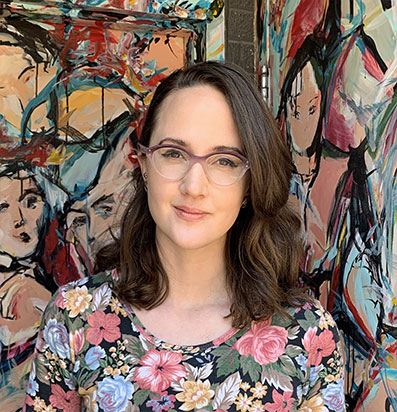
Cressida Frey
MSW, RSW (she/her) Registered Social WorkerAreas of focus:
- Children, Adolescents and Adults
- Violence, Trauma and Healing
- Stress and Anxiety

Derek Cassidy
MSW, RSW
(he/him/they/them)
Registered Social Worker
Areas of focus:
- Relationships and Attachment
- Complex, Relational Trauma
- Sexuality and Sexual Health
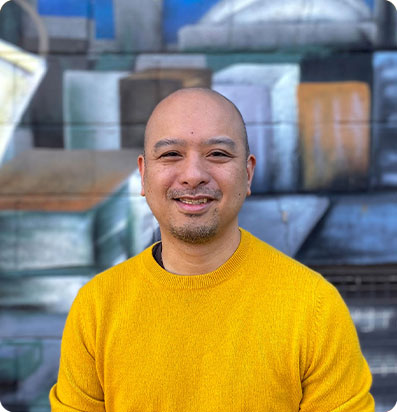
Jesmen Mendoza
C.Psych. (he/him) Adjunct PsychologistAreas of focus:
- Complex Mental Health
- Consultation

Jett Peters
MSW Candidate
(they/them)
Student Therapist
Areas of focus:
- Gender Identity
- Relationship(s) with Food & Body
- Trauma

Kathryn Bargis
MSc, RP (she/her) Registered PsychotherapistAreas of focus:
- Relationships
- Trauma
- Gender and Sexual Identity

Maxine Bower
MSW, RSW (she/her) Registered Social WorkerAreas of focus:
- Attachment in Individuals and in Relationships
- Complex Trauma
- Deepening Connections

Nicholas Sorg
MSc, RP
(he/him)
Registered Psychotherapist
Areas of focus:
- Stress, Anxiety, and Depression
- Sexual Identity Development
- Alternative Relationships, Relationship and Family Stress

Rae Griffin-Carlson
MSW, RSW
(she/her)
Registered Social Worker
Areas of focus:
- 2SLGBTQIA+ Youth & Adults
- Stress, Anxiety & Depression
- Sexual & Gender-based Violence

Rahim Thawer
MSW, RSW
(he/him)
External Clinical Supervisor
Areas of focus:
- Identity Conflict & Shame
- Dating, Relationships, Single by Chance/Choice
- Sexualized Substance Use

Saadia Khan
BA (they/them) Administrative and Social Media Assistant
Stephanie Wu
RP, Professional Art Therapist
(they/them)
Registered Psychotherapist
Areas of focus:
- Intimate Partner Violence, Sexual Assault & Childhood Abuse
- Impacts of Oppression
- 2SLGBTQIA+ Youth & Adults