
We Are a Network of Queer and Trans-identified Mental Health Professionals Who Serve the 2SLGBTQIA Community
LGBTQ Mental Health Counseling Fort Erie connects 2SLGBTQIA individuals and families in this Niagara Region community with culturally grounded psychotherapy that centers your lived experience and identity. Fort Erie residents deserve mental health support that does not require you to educate your therapist about queer and trans realities, navigate misgendering, or compromise your authenticity in the therapy room. Umbrella Mental Health Network brings this standard of care to Fort Erie and the surrounding Greater Toronto Area through registered psychotherapists and social workers trained in trauma-informed, anti-oppressive practice. This guide walks you through four concrete steps to locate and begin working with a mental health counselor who understands your community, affirms your identity, and grounds their work in social justice values. By the end, you will know how to assess whether a provider is genuinely competent in LGBTQ mental health, what to expect in your first session, and how to build a therapeutic relationship that serves your healing. Before contacting a counselor, name the specific issue or transition you want to address. This clarity shapes whether therapy will be useful and helps you recognize a good fit quickly. Fort Erie residents accessing mental health support often come with distinct needs: some are navigating gender identity exploration or transition planning; others are processing trauma within family, community, or institutional contexts; still others are building healthy communication in queer relationships or managing anxiety rooted in ongoing discrimination. Write down what brought you to seek support now. Are you working through a specific event or pattern? Exploring your gender or sexual identity? Strengthening a relationship or family dynamic? Managing depression, anxiety, or complex trauma? Do you have preferences about your therapist's identity, gender presentation, or lived experience? Umbrella Mental Health Network works with individuals across all of these needs through individual psychotherapy, couples therapy and ethical non-monogamy counseling, trauma and PTSD treatment, and gender and sexual identity exploration. Knowing your primary goal means you can ask direct questions when you make contact and assess fit before your first appointment. Not all therapists who claim to work with LGBTQ clients have genuine expertise in gender identity development, queer family structures, sexual health and kink-positivity, or the specific impacts of minority stress and systemic oppression. When you reach out, ask whether the therapist has specialized training or credentials in LGBTQ mental health, whether they work with the particular issue you named in Step 1, and how they approach cultural humility and anti-oppressive practice. Look for therapists who can articulate their theoretical framework. Umbrella Mental Health Network grounds their work explicitly in feminism, social justice, decolonization, and sex/kink-positivity alongside trauma-informed care. This means they understand that mental health exists in a social and political context, that your margininalizations shape your experience, and that healing is inseparable from naming and resisting oppression. Ask whether a potential therapist sees gender diversity as a healthy human variation or a clinical problem to be resolved. Their answer will tell you whether they can support authentic exploration or will pathologize your identity. In Fort Erie, where LGBTQ community resources are limited, working with a practice that has built genuine expertise is essential. Fort Erie is positioned between Toronto and Buffalo, creating unique geographic and logistical factors for accessing mental health care. Determine whether you will work with a counselor in Fort Erie itself, travel to nearby centers in the GTA, or access services online. Each option has trade-offs worth weighing: Umbrella Mental Health Network serves the Greater Toronto Area and provides both in-person and virtual services, making it accessible whether you are based in Fort Erie or prefer online sessions. Ask about session frequency (typically weekly, though this varies), cost structure, whether they accept your insurance or offer sliding scale fees, and their cancellation policy. Practical consistency matters: therapy is cumulative, and disruptions due to travel or scheduling friction can slow your progress. Once you have identified a provider or practice that appears to be a good fit, reach out with a brief message describing what you are seeking and asking whether they are currently accepting clients. Include whether you have a preference for a therapist of a particular gender, background, or lived experience, and whether you need online or in-person sessions. Umbrella Mental Health Network offers an initial point of contact to discuss your needs and match you with an appropriate therapist. Prepare for your first session by having a sense of your presenting issue and your goals for therapy, but do not feel pressure to have everything figured out. A skilled trauma-informed therapist will help you identify patterns and articulate what matters most. Bring any relevant information, such as insurance details, your current medications if any, and a list of any previous therapy or psychiatric care. In the first session, you are assessing whether this therapist is a genuine fit for you as much as they are assessing what you need. It is normal to feel uncertain, vulnerable, or skeptical. Trust your instincts: if something feels unsafe, disrespectful, or off, you can seek a different provider. Finding the right therapeutic relationship is worth taking time. If you are based in Fort Erie and exploring LGBTQ mental health counseling, reach out to Umbrella Mental Health Network to discuss your situation. Their team can answer your specific questions, confirm their availability, and connect you with a therapist whose values and expertise align with your needs and identity. Both registered psychotherapists and registered social workers are trained to provide therapy and can be equally skilled, but they may have different educational backgrounds and approaches. Umbrella Mental Health Network employs both, and either can provide high-quality trauma-informed, anti-oppressive care. When choosing, focus on the individual clinician's expertise in LGBTQ mental health and their theoretical approach rather than their credential alone. A genuinely affirming therapist uses your correct name and pronouns without prompting, never suggests that your identity is a phase or problem to fix, and can articulate how gender diversity is a normal part of human variation. In your first session, notice whether they treat your identity as settled or create space for ongoing exploration without pathology. If they misgender you, suggest you are confused, or frame transition or non-binary identity as a symptom, that is a sign to seek a different provider. Coverage depends on your specific health plan. Many insurance plans cover psychotherapy and social work services when provided by registered professionals, though some have limits on the number of sessions or may require a referral. Contact your insurance provider with your therapist's registration details, or ask Umbrella Mental Health Network whether they can verify coverage for you before your first appointment. Not every therapeutic relationship works, and that is normal and okay. You can respectfully end therapy and request a referral to another provider, or ask to be matched with a different clinician at the same practice. There is no penalty for seeking a better fit; finding the right therapist is essential to your progress. Yes. Therapy can support you at any stage of identity exploration or disclosure. Your therapist should create space for you to move at your own pace, whether you are questioning your identity, closeted, out to some people but not others, or navigating a transition. Umbrella Mental Health Network specializes in gender and sexual identity exploration, which includes working with people at every stage of their journey. Yes, Umbrella Mental Health Network provides couples therapy and ethical non-monogamy counseling as part of their specialized services. This includes support for queer couples navigating relationship dynamics, communication, and alternative relationship structures. Contact them to discuss whether couples work is available through online or in-person sessions. Umbrella Mental Health Network offers specialized trauma and PTSD treatment grounded in trauma-informed, anti-oppressive practice. This means your therapist understands how trauma interacts with your identity, systemic oppression, and community history. When you reach out, specify that you are seeking trauma-informed care so you are matched with a clinician whose expertise aligns with your needs.Lgbtq Mental Health Counseling Fort Erie
Step 1: Clarify What You Need From Therapy in Fort Erie
Step 2: Verify That Your Counselor Is Trained in LGBTQ Mental Health and Anti-Oppressive Practice
Step 3: Assess Accessibility and Practical Fit
Step 4: Initiate Contact and Prepare for Your First Session
Frequently Asked Questions
What is the difference between a psychotherapist and a social worker in Fort Erie LGBTQ counseling?
How do I know if my therapist is genuinely affirming of my gender identity?
Is LGBTQ mental health counseling Fort Erie covered by insurance?
What should I do if my first therapist is not a good fit?
Can I access LGBTQ mental health counseling Fort Erie if I am not ready to come out or transition?
Do you offer couples therapy and counseling for ethical non-monogamy in Fort Erie?
What if I have experienced trauma and need specialized LGBTQ-affirming trauma therapy?

Acknowledgement
Tkaronto and the surrounding areas that we serve are within the Dish With One Spoon Territory. The Dish With One Spoon is a treaty between the Anishinaabe, Mississaugas and Haudenosaunee that bound them to share the territory and protect the land. Subsequent Indigenous Nations and Peoples, Europeans and all newcomers have been invited into this treaty in the spirit of peace, friendship and respect.
We at Umbrella recognize that the professions of psychology, psychotherapy, and social work have roots in colonial violence. As psychotherapists and social workers, we understand that we have a responsibility to continuously work to decolonize the practice of psychotherapy/social work and acknowledge the origins of the various healing practices we utilize.
Our therapists actively engage in regular training that emphasizes professional development, team support, and sharing the current knowledge in 2SLGBTQIA mental health, to ensure the highest level of care for our clients.
Meet Our Team

Christopher Shillington
MA, CCC, RP
(they/them)
Clinic Director/ Registered Psychotherapist
Areas of focus:
- Healthy Relationships
- Intersectional Identities
- Trauma & PTSD

Andrés Gayoso Descalzi
MSW,RSW
(he/him)
Registered Social Worker
Areas of focus:
- Gender Identity & Embodiment
- Life Changes & Transitions
- 2SLGBTQIA+ Youth & Families

Aysha Natsheh
MSW, RSW
Registered Social Worker
Areas of focus:
- Food, Body, Self-Image
- Trauma
- Gender & Sexual Identity

Bushra Ahmed
MSW, RSW
Registered Social Worker
Areas of focus:
- 2SLGBTQIA+ Youth
- Exploring Neurodivergent Identities
- Impact of Oppression & Trauma on Mental Health

Clara Doucette
MA, RP (Qualifying)
(she/her)
Registered Psychotherapist (Qualifying)
Areas of focus:
- Relational Styles & Attachment
- Friendships & Kinship
- Stress
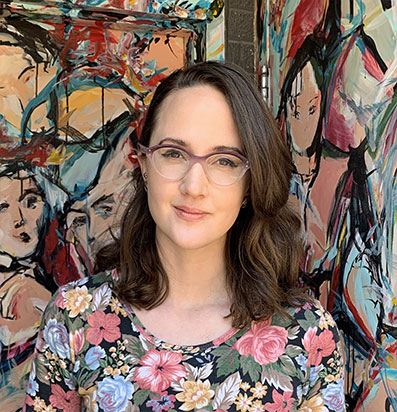
Cressida Frey
MSW, RSW (she/her) Registered Social WorkerAreas of focus:
- Children, Adolescents and Adults
- Violence, Trauma and Healing
- Stress and Anxiety

Derek Cassidy
MSW, RSW
(he/him/they/them)
Registered Social Worker
Areas of focus:
- Relationships and Attachment
- Complex, Relational Trauma
- Sexuality and Sexual Health
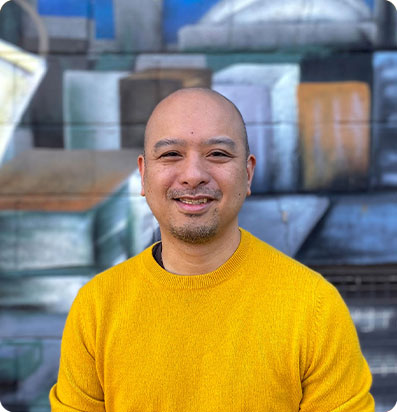
Jesmen Mendoza
C.Psych. (he/him) Adjunct PsychologistAreas of focus:
- Complex Mental Health
- Consultation

Jett Peters
MSW Candidate
(they/them)
Student Therapist
Areas of focus:
- Gender Identity
- Relationship(s) with Food & Body
- Trauma

Kathryn Bargis
MSc, RP (she/her) Registered PsychotherapistAreas of focus:
- Relationships
- Trauma
- Gender and Sexual Identity

Maxine Bower
MSW, RSW (she/her) Registered Social WorkerAreas of focus:
- Attachment in Individuals and in Relationships
- Complex Trauma
- Deepening Connections

Nicholas Sorg
MSc, RP
(he/him)
Registered Psychotherapist
Areas of focus:
- Stress, Anxiety, and Depression
- Sexual Identity Development
- Alternative Relationships, Relationship and Family Stress

Rae Griffin-Carlson
MSW, RSW
(she/her)
Registered Social Worker
Areas of focus:
- 2SLGBTQIA+ Youth & Adults
- Stress, Anxiety & Depression
- Sexual & Gender-based Violence

Rahim Thawer
MSW, RSW
(he/him)
External Clinical Supervisor
Areas of focus:
- Identity Conflict & Shame
- Dating, Relationships, Single by Chance/Choice
- Sexualized Substance Use

Saadia Khan
BA (they/them) Administrative and Social Media Assistant
Stephanie Wu
RP, Professional Art Therapist
(they/them)
Registered Psychotherapist
Areas of focus:
- Intimate Partner Violence, Sexual Assault & Childhood Abuse
- Impacts of Oppression
- 2SLGBTQIA+ Youth & Adults