
We Are a Network of Queer and Trans-identified Mental Health Professionals Who Serve the 2SLGBTQIA Community
LGBTQ Mental Health Counseling in Elora connects 2SLGBTQIA individuals and families with affirming therapists who understand the specific challenges queer and trans people face. Umbrella Mental Health Network extends its trauma-informed, anti-oppressive practice to Elora and surrounding communities, offering the kind of specialized care that centers your identities and experiences rather than treating them as problems to solve. If you live in Elora or nearby areas of Wellington County and have been searching for a counselor who gets it-who doesn't require you to explain what it means to be queer, who won't pathologize your gender identity or relationships, and who grounds their work in social justice-this guide outlines what you need to know about accessing quality mental health support. Many LGBTQ+ people in Elora have had experiences where therapists treated queerness or transness as something to overcome rather than celebrate. Umbrella Mental Health Network operates from a fundamentally different premise: your sexual orientation, gender identity, and relationship choices are not pathology. Trauma is real and depression deserves treatment, but these exist separately from who you are. This distinction matters concretely. A therapist grounded in cultural competency understands microaggressions, systemic discrimination, and the measurable stress that comes from living in a society that doesn't fully affirm you. They can help you sort out what's genuinely yours to work on from what's internalized oppression. For people in Elora seeking this kind of care, Umbrella brings registered psychotherapists and social workers trained in affirming practice, meaning your sessions build from acceptance rather than starting from judgment. Trauma shows up differently in LGBTQ+ bodies and minds. Conversion therapy, family rejection, medical discrimination, workplace harassment, and sexual violence within queer communities all create distinct patterns of injury. Standard trauma protocols don't always account for these realities, which is why Umbrella brings specific expertise in trauma and PTSD treatment tailored to 2SLGBTQIA populations. A therapist working with trauma in the context of queerness understands that recovery isn't just about processing events-it's about rebuilding safety within communities that may have harmed you while also honoring the resilience and resistance that LGBTQ+ people demonstrate. If you're in Elora and have experienced trauma tied to your identity or relationships, this specialized approach can make the difference between surface-level relief and genuine healing. Whether you're questioning your gender, navigating a transition, or working to integrate a newly claimed identity into your life, gender exploration deserves professional support grounded in affirmation rather than gatekeeping. Umbrella Mental Health Network offers gender and sexual identity exploration as a distinct service, recognizing that this work is not diagnosis-it's clarification. In Elora and the surrounding region, many people have limited access to therapists who can hold space for this complexity without pushing toward any particular outcome. A competent practitioner asks questions, reflects back what they hear, and helps you build internal clarity. They don't diagnose you as trans or non-binary; they help you understand yourself more fully and explore what feels true. LGBTQ+ relationships take many forms. Some are monogamous partnerships; others are polyamorous, open, or ethically non-monogamous (ENM). Mainstream couples therapy often assumes heterosexual monogamy as the default, leaving queer couples to educate their therapists or search elsewhere. Umbrella brings couples therapy and ENM counselling as specialized offerings, meaning therapists in Elora understand the specific communication, boundary-setting, and conflict patterns that emerge in diverse relationship structures. Because X, you get Y: because your therapist knows how ENM functions and respects its legitimacy, you spend session time solving actual problems instead of defending your relationship model. This applies whether you're navigating jealousy in a triad, renegotiating agreements after life changes, or building communication after conflict. Coming out, claiming your identity, and navigating family relationships as a young LGBTQ+ person in Elora comes with specific pressures. You may live in a household that doesn't affirm you, attend a school where queerness feels unsafe, or lack peers who share your experience. Youth and young adult counselling through Umbrella creates a confidential space where you can explore these questions without having to manage your therapist's comfort or family dynamics in the moment. A therapist working with youth understands developmental psychology-what's typical identity questioning versus what signals genuine distress. They also understand that being a young queer person in a smaller Ontario community might mean limited visible representation, fewer openly LGBTQ+ peers, and pressure to stay closeted. This context shapes the work. Depression and anxiety have real neurobiological components, and they also have social ones. If you're experiencing anxiety, your therapist grounded in anti-oppressive practice will explore both-the stress response in your nervous system and the actual discrimination or marginalization you face daily. These aren't contradictory; they're interlocking. For someone in Elora seeking mental health support, this means your therapist won't tell you that your stress is "all in your head" or that you just need better coping skills. They'll help you build genuine resilience while also naming the systems that created pressure in the first place. This approach, grounded in feminism and social justice, is not generic-it requires therapists trained in recognizing how power operates. Elora is a rural-adjacent community where knowing people's histories and family trees is often unavoidable. Some LGBTQ+ people in the area appreciate providers from outside town specifically because of this; others want someone who understands local context. Umbrella Mental Health Network serves Elora while maintaining the confidentiality and specialized expertise you need, whether you value that local connection or prefer distance from your immediate social circles. What matters is that you have options. You can work with a therapist who gets queer and trans experience, who won't treat you as exotic or require extensive education, and who respects your need for privacy in a smaller community. That's what Umbrella brings to the region. If you're ready to find a therapist who understands your identity, your trauma history, and your relationships without judgment, Umbrella Mental Health Network invites you to reach out. You can learn more about how they work and connect with a clinician who fits your needs by visiting their website or contacting them directly. Yes. Umbrella Mental Health Network provides LGBTQ Mental Health Counseling in Elora and extends across the Greater Toronto Area, serving 2SLGBTQIA individuals, couples, and families with trauma-informed, culturally competent care. Their registered psychotherapists and social workers specialize in gender exploration, couples therapy, and trauma recovery grounded in anti-oppressive practice. Affirming therapy treats queerness and transness as normal variations of human experience, not problems to fix. Traditional therapy may pathologize identity or require you to educate your therapist. Umbrella's approach assumes your identity is whole and focuses on actual clinical needs-trauma, relationships, identity exploration, anxiety-without centering the therapist's discomfort or uninformed assumptions. Absolutely. Gender and sexual identity exploration is a legitimate therapeutic need, not a diagnostic category. Umbrella offers this service as clarification work-helping you build internal understanding of your identity through affirming conversation and reflection, without gatekeeping or pathologizing the process. Yes. Umbrella offers couples therapy and specific ENM counselling, meaning therapists understand ethical non-monogamy, polyamory, and open relationships as legitimate structures. They help you navigate communication, boundaries, and conflict in ways that respect your relationship model rather than trying to fit you into monogamous frameworks. Trauma-informed care for queer and trans people recognizes that identity-related trauma-conversion attempts, family rejection, medical discrimination, sexual violence in queer spaces-requires understanding of both the specific injury and broader systemic context. Umbrella's trauma specialists work with these realities, helping you process events while rebuilding safety within affirming community. A first session typically involves getting to know you-your history, what brings you in, what you're hoping to address-and building rapport. Your therapist will explain their approach, discuss confidentiality, and begin understanding your specific needs. This isn't about diagnosis; it's about establishing a foundation for the work ahead.Lgbtq Mental Health Counseling Elora
1. Culturally Competent Therapy Means Your Identity Isn't the Problem
2. Trauma Recovery for Queer and Trans People Requires Specialized Knowledge
3. Gender Identity Exploration Is a Legitimate Clinical Need
4. Couples Therapy and Ethical Non-Monogamy Counselling Serve Diverse Relationship Structures
5. Youth and Young Adult Counselling Addresses Identity Development Within Real Constraints
6. Anti-Oppressive Practice Means Your Therapist Names Power and Systems
7. Accessing Care in Elora Means Working with Providers Who Know Your Community
Frequently Asked Questions
Is there LGBTQ+ affirming mental health counseling near Elora?
What is the difference between therapy that affirms LGBTQ+ identity versus traditional counseling?
Can I access counseling for gender identity exploration without a diagnosis?
Does Umbrella Mental Health Network provide couples therapy for non-monogamous relationships?
How does trauma-informed care work for LGBTQ+ people specifically?
What should I expect in a first session with Umbrella Mental Health Network?

Acknowledgement
Tkaronto and the surrounding areas that we serve are within the Dish With One Spoon Territory. The Dish With One Spoon is a treaty between the Anishinaabe, Mississaugas and Haudenosaunee that bound them to share the territory and protect the land. Subsequent Indigenous Nations and Peoples, Europeans and all newcomers have been invited into this treaty in the spirit of peace, friendship and respect.
We at Umbrella recognize that the professions of psychology, psychotherapy, and social work have roots in colonial violence. As psychotherapists and social workers, we understand that we have a responsibility to continuously work to decolonize the practice of psychotherapy/social work and acknowledge the origins of the various healing practices we utilize.
Our therapists actively engage in regular training that emphasizes professional development, team support, and sharing the current knowledge in 2SLGBTQIA mental health, to ensure the highest level of care for our clients.
Meet Our Team

Christopher Shillington
MA, CCC, RP
(they/them)
Clinic Director/ Registered Psychotherapist
Areas of focus:
- Healthy Relationships
- Intersectional Identities
- Trauma & PTSD

Andrés Gayoso Descalzi
MSW,RSW
(he/him)
Registered Social Worker
Areas of focus:
- Gender Identity & Embodiment
- Life Changes & Transitions
- 2SLGBTQIA+ Youth & Families

Aysha Natsheh
MSW, RSW
Registered Social Worker
Areas of focus:
- Food, Body, Self-Image
- Trauma
- Gender & Sexual Identity

Bushra Ahmed
MSW, RSW
Registered Social Worker
Areas of focus:
- 2SLGBTQIA+ Youth
- Exploring Neurodivergent Identities
- Impact of Oppression & Trauma on Mental Health

Clara Doucette
MA, RP (Qualifying)
(she/her)
Registered Psychotherapist (Qualifying)
Areas of focus:
- Relational Styles & Attachment
- Friendships & Kinship
- Stress
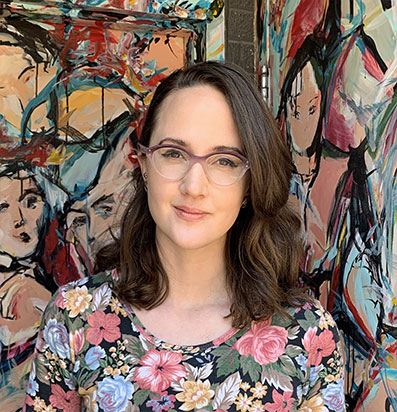
Cressida Frey
MSW, RSW (she/her) Registered Social WorkerAreas of focus:
- Children, Adolescents and Adults
- Violence, Trauma and Healing
- Stress and Anxiety

Derek Cassidy
MSW, RSW
(he/him/they/them)
Registered Social Worker
Areas of focus:
- Relationships and Attachment
- Complex, Relational Trauma
- Sexuality and Sexual Health
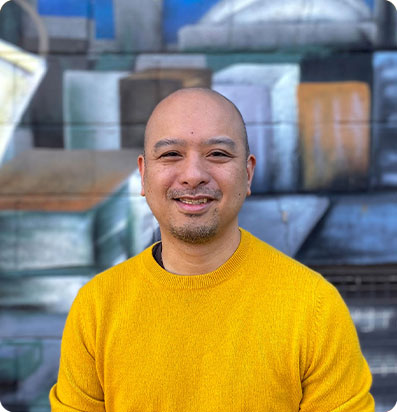
Jesmen Mendoza
C.Psych. (he/him) Adjunct PsychologistAreas of focus:
- Complex Mental Health
- Consultation

Jett Peters
MSW Candidate
(they/them)
Student Therapist
Areas of focus:
- Gender Identity
- Relationship(s) with Food & Body
- Trauma

Kathryn Bargis
MSc, RP (she/her) Registered PsychotherapistAreas of focus:
- Relationships
- Trauma
- Gender and Sexual Identity

Maxine Bower
MSW, RSW (she/her) Registered Social WorkerAreas of focus:
- Attachment in Individuals and in Relationships
- Complex Trauma
- Deepening Connections

Nicholas Sorg
MSc, RP
(he/him)
Registered Psychotherapist
Areas of focus:
- Stress, Anxiety, and Depression
- Sexual Identity Development
- Alternative Relationships, Relationship and Family Stress

Rae Griffin-Carlson
MSW, RSW
(she/her)
Registered Social Worker
Areas of focus:
- 2SLGBTQIA+ Youth & Adults
- Stress, Anxiety & Depression
- Sexual & Gender-based Violence

Rahim Thawer
MSW, RSW
(he/him)
External Clinical Supervisor
Areas of focus:
- Identity Conflict & Shame
- Dating, Relationships, Single by Chance/Choice
- Sexualized Substance Use

Saadia Khan
BA (they/them) Administrative and Social Media Assistant
Stephanie Wu
RP, Professional Art Therapist
(they/them)
Registered Psychotherapist
Areas of focus:
- Intimate Partner Violence, Sexual Assault & Childhood Abuse
- Impacts of Oppression
- 2SLGBTQIA+ Youth & Adults