
We Are a Network of Queer and Trans-identified Mental Health Professionals Who Serve the 2SLGBTQIA Community
LGBTQ mental health counseling in Dundas connects you with therapists who understand your life, your identity, and the specific challenges you face as a member of the 2SLGBTQIA community. Umbrella Mental Health Network brings specialized, trauma-informed psychotherapy to Dundas and the Greater Toronto Area, staffed by registered psychotherapists and social workers trained in the real experiences of queer and trans people. If you are looking for a therapist who won't ask you to explain yourself or apologize for who you are, this guide will help you understand what good care looks like and why it matters. You do not need to have your identity figured out before you walk in the door. Many people come to therapy uncertain about their gender, sexuality, or both, and that is exactly what this work is for. Umbrella's therapists in Dundas and across the GTA specialize in gender and sexual identity exploration, which means they create space for you to ask questions, test assumptions, and move at your own pace without pressure to reach any particular conclusion. Whether you are questioning for the first time, recently out, or navigating changes years into your transition or coming-out journey, a therapist trained in identity work will not treat your uncertainty as a problem to solve quickly. They understand that identity unfolds over time and that your needs and understanding shift. This is especially important for youth and young adults, who often benefit from having a trained adult witness their exploration in a confidential, judgment-free space. If you have experienced discrimination, rejection, violence, or systemic exclusion because of your sexuality or gender identity, that has left a mark. Trauma-informed therapy does not treat your depression or anxiety as separate from the real, repeated harm you may have faced. Instead, it connects those feelings to context and helps you understand what your nervous system learned to protect you. Umbrella's approach is grounded in anti-oppressive practice, which means your therapist sees the bigger picture: they understand that your struggle is not a personal failure, but a human response to genuine adversity. Because many LGBTQ people carry intergenerational trauma, religious harm, medical trauma, or complex PTSD, this framework is essential. Your therapist will help you process what happened and rebuild a sense of safety in your body and relationships. Queer relationships do not always fit the traditional couple counselling template, and that is fine. Umbrella offers couples therapy for same-sex and mixed-orientation partners, and also provides counselling for people navigating ethical non-monogamy (ENM), open relationships, and other relationship structures that mainstream therapists may not understand or support. Whether you are working through conflict with a partner, exploring whether a relationship is right for you, or building the communication skills that make non-traditional relationships thrive, your therapist will not impose a "normal" template. They will work with the actual relationship in front of them, using the values and agreements you bring, not the ones they assume you should have. Many queer people have learned not to talk about sex and desire with authority figures, because schools, families, and even some healthcare providers sent the message that LGBTQ sexuality is dangerous, shameful, or wrong. That silencing can carry into therapy, where you might feel unsafe naming what actually matters to you. Umbrella's therapists practice sex-positive care, which means they create room to explore sexuality, pleasure, desire, and kink without judgment or pathology. This matters whether you are working through sexual trauma, exploring your desires, navigating mismatched libido with a partner, or simply wanting to feel whole in a therapy space. Because so many queer people have internalized shame around sexuality, a therapist who can hold that conversation openly can help you reclaim parts of yourself that have been hidden. LGBTQ people experience depression and anxiety at higher rates than the general population, and the reasons are real: minority stress, lack of community, family rejection, medical mistreatment, and the effort of navigating a world not built for you all take a toll. Umbrella's individual psychotherapy addresses these conditions using evidence-based approaches, but always within a framework that understands the context of your life. Your therapist will not treat your anxiety as if it is random brain chemistry separate from the stress of being queer in Dundas or the GTA. They will help you build skills, process what is driving your distress, and move toward the life you actually want to live, not the one that is supposed to make you feel better. If you are thinking about having children, building a family with a partner or partners, or creating the family structure that feels right for you, therapy can be a crucial space to sort through decisions, fears, and logistics. LGBTQ people often carry extra layers of complexity around family planning: you may be navigating medical options, legal uncertainty, family-of-origin responses, or simply the desire to plan something outside the heteronormative script. Umbrella's therapists bring experience with queer family building, which means they can help you think through options, work with your partner on alignment, and prepare for the real challenges ahead. Whether you are exploring adoption, assisted reproduction, co-parenting, or blended families, having a therapist who understands the terrain makes a real difference. You should never have to explain why oppression matters or defend your right to justice. At Umbrella, feminist and social justice values are foundational to how therapy happens, not an optional add-on. This means your therapist will not ask you to accept oppression as inevitable, shrink yourself for others' comfort, or work toward goals that contradict your values. These values also inform how the practice operates: Umbrella is committed to decolonization and accessibility, which means they think deeply about how power shows up in the therapy relationship and who gets access to care. When you work with a therapist grounded in these commitments, you can focus on healing instead of educating or defending yourself. If you are in Dundas or the surrounding areas and ready to connect with a therapist who gets it, Umbrella Mental Health Network is ready to meet you. Reach out to learn more about individual therapy, couples work, or any of the specialized services described here. There is no pressure and no judgment-just the possibility of working with someone who sees you clearly and believes you deserve support. Umbrella serves LGBTQ individuals, including gay, lesbian, bisexual, transgender, non-binary, two-spirit, queer, and asexual/aromantic people. They also work with queer couples, families exploring alternative relationship structures, youth questioning their identity, trauma survivors, and anyone seeking culturally competent mental health support grounded in LGBTQ-affirming values. Yes. LGBTQ-specialized therapy integrates understanding of identity, minority stress, and the real impact of discrimination into how your therapist works. Because many LGBTQ people have experienced family rejection, medical harm, or systemic exclusion, a therapist trained in this work can help you process those experiences and heal without asking you to accept oppression as normal. Trauma-informed therapy recognizes how your nervous system responds to real harm-whether discrimination, rejection, or violence-and helps you understand your anxiety or depression in that context. For LGBTQ people who have faced systemic exclusion or interpersonal harm, this approach validates your experience instead of treating your struggles as personal failings. Absolutely. Many people come to therapy uncertain about their identity, and that is exactly what gender and sexual identity exploration counselling is for. Your therapist will create a safe space for you to ask questions and move at your own pace, without pressure to reach any particular conclusion. Yes. Umbrella offers couples therapy for same-sex and mixed-orientation partners, and also provides counselling for people in ethical non-monogamy and other relationship structures. Your therapist will work with the actual relationship in front of them, using your values and agreements, not a traditional template. Yes. Umbrella practices sex-positive and kink-aware therapy, which means you can talk openly about sexuality, pleasure, and desire without judgment. Many LGBTQ people have learned to hide these parts of themselves, and a sex-positive therapist creates space to reclaim them. Contact Umbrella Mental Health Network to learn about availability and get connected with a therapist who is a good fit for you. There is no pressure-the first conversation is simply about understanding what you need and whether they can help.Lgbtq Mental Health Counseling Dundas
1. Your Therapist Will Meet You Where You Are on Gender and Sexual Identity
2. Trauma-Informed Care Recognizes How Oppression Shapes Your Mental Health
3. Couples Therapy and ENM Counselling Honor the Relationships That Matter to You
4. Sex-Positive and Kink-Aware Therapy Means You Can Talk About Your Whole Self
5. Specialized Help With Anxiety, Depression, and Other Mental Health Conditions
6. Queer Family Planning and Relationship Building Support Is Part of the Picture
7. Feminist and Social Justice Values Are Built Into the Work, Not Added On
Frequently Asked Questions
What kinds of clients does Umbrella Mental Health Network serve in Dundas?
Is LGBTQ mental health counseling in Dundas different from regular therapy?
How does trauma-informed therapy work, and why is it important for LGBTQ clients?
Can I see a therapist if I am still figuring out my gender or sexual identity?
Does Umbrella Mental Health Network offer couples therapy for LGBTQ relationships in Dundas?
Can I talk about sex and desire in therapy at Umbrella?
How do I get started with LGBTQ mental health counseling in Dundas?

Acknowledgement
Tkaronto and the surrounding areas that we serve are within the Dish With One Spoon Territory. The Dish With One Spoon is a treaty between the Anishinaabe, Mississaugas and Haudenosaunee that bound them to share the territory and protect the land. Subsequent Indigenous Nations and Peoples, Europeans and all newcomers have been invited into this treaty in the spirit of peace, friendship and respect.
We at Umbrella recognize that the professions of psychology, psychotherapy, and social work have roots in colonial violence. As psychotherapists and social workers, we understand that we have a responsibility to continuously work to decolonize the practice of psychotherapy/social work and acknowledge the origins of the various healing practices we utilize.
Our therapists actively engage in regular training that emphasizes professional development, team support, and sharing the current knowledge in 2SLGBTQIA mental health, to ensure the highest level of care for our clients.
Meet Our Team

Christopher Shillington
MA, CCC, RP
(they/them)
Clinic Director/ Registered Psychotherapist
Areas of focus:
- Healthy Relationships
- Intersectional Identities
- Trauma & PTSD

Andrés Gayoso Descalzi
MSW,RSW
(he/him)
Registered Social Worker
Areas of focus:
- Gender Identity & Embodiment
- Life Changes & Transitions
- 2SLGBTQIA+ Youth & Families

Aysha Natsheh
MSW, RSW
Registered Social Worker
Areas of focus:
- Food, Body, Self-Image
- Trauma
- Gender & Sexual Identity

Bushra Ahmed
MSW, RSW
Registered Social Worker
Areas of focus:
- 2SLGBTQIA+ Youth
- Exploring Neurodivergent Identities
- Impact of Oppression & Trauma on Mental Health

Clara Doucette
MA, RP (Qualifying)
(she/her)
Registered Psychotherapist (Qualifying)
Areas of focus:
- Relational Styles & Attachment
- Friendships & Kinship
- Stress
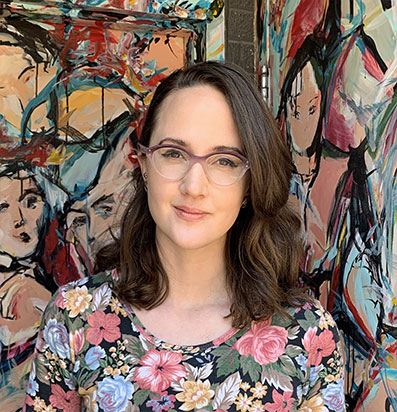
Cressida Frey
MSW, RSW (she/her) Registered Social WorkerAreas of focus:
- Children, Adolescents and Adults
- Violence, Trauma and Healing
- Stress and Anxiety

Derek Cassidy
MSW, RSW
(he/him/they/them)
Registered Social Worker
Areas of focus:
- Relationships and Attachment
- Complex, Relational Trauma
- Sexuality and Sexual Health
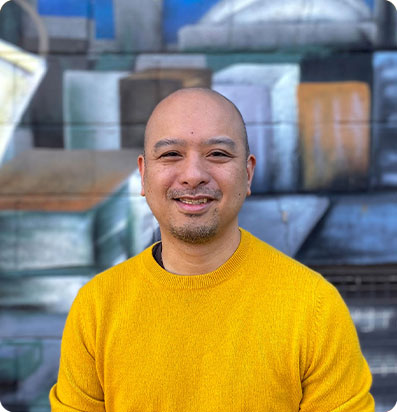
Jesmen Mendoza
C.Psych. (he/him) Adjunct PsychologistAreas of focus:
- Complex Mental Health
- Consultation

Jett Peters
MSW Candidate
(they/them)
Student Therapist
Areas of focus:
- Gender Identity
- Relationship(s) with Food & Body
- Trauma

Kathryn Bargis
MSc, RP (she/her) Registered PsychotherapistAreas of focus:
- Relationships
- Trauma
- Gender and Sexual Identity

Maxine Bower
MSW, RSW (she/her) Registered Social WorkerAreas of focus:
- Attachment in Individuals and in Relationships
- Complex Trauma
- Deepening Connections

Nicholas Sorg
MSc, RP
(he/him)
Registered Psychotherapist
Areas of focus:
- Stress, Anxiety, and Depression
- Sexual Identity Development
- Alternative Relationships, Relationship and Family Stress

Rae Griffin-Carlson
MSW, RSW
(she/her)
Registered Social Worker
Areas of focus:
- 2SLGBTQIA+ Youth & Adults
- Stress, Anxiety & Depression
- Sexual & Gender-based Violence

Rahim Thawer
MSW, RSW
(he/him)
External Clinical Supervisor
Areas of focus:
- Identity Conflict & Shame
- Dating, Relationships, Single by Chance/Choice
- Sexualized Substance Use

Saadia Khan
BA (they/them) Administrative and Social Media Assistant
Stephanie Wu
RP, Professional Art Therapist
(they/them)
Registered Psychotherapist
Areas of focus:
- Intimate Partner Violence, Sexual Assault & Childhood Abuse
- Impacts of Oppression
- 2SLGBTQIA+ Youth & Adults