
We Are a Network of Queer and Trans-identified Mental Health Professionals Who Serve the 2SLGBTQIA Community
LGBTQ mental health counseling in Courtland connects 2SLGBTQIA individuals and families with registered psychotherapists who understand the specific mental health needs of queer and trans communities. Umbrella Mental Health Network serves Courtland and surrounding areas in the Greater Toronto Area with specialized counselling grounded in anti-oppressive practice, feminist values, and trauma-informed care. Courtland is a small, tight-knit community within the Greater Toronto Area where many residents seek mental health support outside the mainstream systems that have historically failed LGBTQ+ people. The need for culturally safe mental health care in Courtland is significant: many 2SLGBTQIA individuals in the region experience isolation, family rejection, workplace discrimination, or unresolved trauma from earlier periods of their lives when affirmation was unavailable. Standard mental health practitioners, even well-intentioned ones, often lack the specific theoretical framework and lived understanding required to work effectively with gender-diverse clients, queer couples navigating non-traditional relationship structures, or trans youth exploring identity in a family context. Umbrella Mental Health Network addresses this gap by bringing together licensed psychotherapists and social workers who specialize in LGBTQ+ mental health. The practitioners at Umbrella are trained in the nuances of queer and trans experience, which means they do not treat gender identity exploration as pathology, do not impose heteronormative assumptions onto couples therapy, and do not require clients to educate them about basic aspects of queer culture or terminology. Effective LGBTQ mental health counseling in Courtland requires a methodology that acknowledges systemic oppression and its impact on mental health. Umbrella's approach integrates three core methodologies: trauma-informed care, which recognizes that many LGBTQ+ individuals carry unprocessed injuries from discrimination, rejection, or violence; anti-oppressive practice, which examines how power, privilege, and marginalization shape the therapeutic relationship itself; and sex-positive, kink-aware counselling, which affirms diverse expressions of sexuality and intimacy without judgment or pathologization. This means that when a client in Courtland enters therapy at Umbrella, the therapist does not begin from a deficit model. Instead, the work centers client expertise about their own experience. For individuals working through trauma, the therapist uses evidence-based protocols while attending to how identity-based violence (homophobia, transphobia, racism) has shaped that trauma. For couples navigating ethical non-monogamy or other alternative relationship structures, the counselor brings specific knowledge of how these dynamics function and what supports relational health. Umbrella's practitioners hold the following commitments: Umbrella Mental Health Network offers several specialized services relevant to the 2SLGBTQIA community in Courtland: Individual Psychotherapy: One-on-one counselling for LGBTQ+ adults and youth addressing anxiety, depression, trauma, gender identity questions, coming out processes, family conflict, and life transitions. Each therapist brings deep clinical expertise in these areas. Couples Therapy and ENM Counselling: Relationship counselling for queer couples, including those exploring ethical non-monogamy, polyamory, or open relationship structures. The therapists at Umbrella have specific training in how these relationships function and the distinct challenges and strengths they present. Trauma and PTSD Treatment: Specialized work with individuals who have experienced sexual violence, domestic abuse, family rejection, conversion therapy attempts, or identity-based assault. Trauma recovery uses evidence-based modalities tailored to queer and trans contexts. Gender and Sexual Identity Exploration: Counselling for people questioning or affirming their gender identity, sexual orientation, or both. This work is non-directive and honors the client's own process of discovery. Youth and Young Adult Counselling: Specialized support for teens and young adults (roughly ages 13-30) navigating identity development, family dynamics, school or workplace challenges, and mental health in a queer or trans context. Consider a composite example of the type of work Umbrella does. A 34-year-old non-binary client from Courtland came to therapy after their long-term partner expressed frustration about emotional distance in the relationship. The client also reported persistent anxiety and difficulty trusting their own perceptions. During assessment, it emerged that the client had experienced significant family rejection following their coming-out ten years earlier, had internalized messages that their non-binary identity was "selfish," and had developed hypervigilance in relationships as a protective response to earlier rejection. Using Umbrella's trauma-informed, anti-oppressive framework, the therapist worked across several dimensions simultaneously. First, they named the family trauma and its relational impact, validating that hypervigilance was a reasonable adaptation to genuine threat. Second, they examined how internalized transphobia was shaping the client's self-perception. Third, they supported the client in differentiating between past relational harm and the current partnership, which was fundamentally safer. Over time, the client's nervous system began to regulate. The relationship improved not because the client was "fixed," but because the underlying wounds were tended with genuine understanding. This example illustrates why generic mental health counselling often fails LGBTQ+ clients in Courtland and the GTA: without explicit attention to identity-based trauma and systemic oppression, the therapist may pathologize reasonable protective responses or miss the roots of distress entirely. Umbrella's practitioners hold both the individual and systemic dimensions of the client's experience. Many people in Courtland and surrounding communities come to Umbrella because they want a therapist who does not require extensive education about LGBTQ+ experience. They want someone who understands that a trans client's anxiety about workplace microaggressions is grounded in real threat, not cognitive distortion. They want counselling that affirms their identity and relationships rather than treating these as problems to solve. They want a clinician trained in trauma theory, queer theory, and social justice frameworks-not just general psychology. Umbrella Mental Health Network serves Courtland residents both in-person and remotely, making specialized LGBTQ+ mental health accessible regardless of location within the Greater Toronto Area. The practice brings together highly skilled, licensed professionals whose entire focus is this work-not as a subspecialty added to a general practice, but as the core mission. If you live in Courtland or nearby and are searching for mental health support that truly understands your experience, Umbrella Mental Health Network is ready to help. Reach out to discuss what you are looking for and how they might support your wellbeing. You can contact them through their website at umhn.ca to learn more about services, meet the practitioners, or request an initial consultation. Yes. Umbrella Mental Health Network serves Courtland and the Greater Toronto Area with specialized LGBTQ+ mental health counselling provided by registered psychotherapists and social workers trained in trauma-informed, anti-oppressive practice. The practitioners have expertise in working with trans, non-binary, and queer clients across all presenting concerns. Trauma-informed therapy recognizes that many LGBTQ+ individuals carry unprocessed injuries from discrimination, rejection, violence, or systemic marginalization. Rather than treating symptoms in isolation, trauma-informed clinicians examine how identity-based harm has shaped a person's nervous system, relationships, and self-perception. This approach allows healing to occur at the root, not just the surface. Yes. Umbrella offers specialized couples therapy and ethical non-monogamy (ENM) counselling for queer couples exploring open, polyamorous, or other alternative relationship structures. The therapists have specific training in how these relationships function and the distinct challenges and strengths they present. Yes. Umbrella Mental Health Network serves Courtland residents both in-person and remotely, making specialized LGBTQ+ mental health accessible regardless of your location within the Greater Toronto Area and beyond. Anti-oppressive practice means the therapist examines how systemic power, privilege, and marginalization shape both the client's experience and the therapeutic relationship itself. Rather than treating identity-based discrimination as a personal problem to overcome individually, anti-oppressive clinicians validate that oppression is real and help clients navigate its impact while affirming their identity and resilience. Yes. Umbrella Mental Health Network offers specialized youth and young adult counselling for people exploring or affirming their gender identity, sexual orientation, or both. This work is non-directive and honors each person's own process of discovery in a supportive, affirming context.Lgbtq Mental Health Counseling Courtland
Understanding the Courtland Mental Health Landscape
The Approach: Trauma-Informed, Anti-Oppressive Psychotherapy
Services Available to Courtland Residents
A Case Study: Healing Across Identity and Relational Work
Why Courtland Residents Choose Umbrella
Frequently Asked Questions
Is there LGBTQ-affirming mental health counseling available in Courtland?
What is trauma-informed therapy and why does it matter for LGBTQ+ clients?
Does Umbrella Mental Health Network work with couples in non-monogamous relationships?
Can I access LGBTQ mental health counseling in Courtland remotely?
What does anti-oppressive practice mean in mental health counselling?
Does Umbrella provide counselling for youth questioning their gender or sexual identity?

Acknowledgement
Tkaronto and the surrounding areas that we serve are within the Dish With One Spoon Territory. The Dish With One Spoon is a treaty between the Anishinaabe, Mississaugas and Haudenosaunee that bound them to share the territory and protect the land. Subsequent Indigenous Nations and Peoples, Europeans and all newcomers have been invited into this treaty in the spirit of peace, friendship and respect.
We at Umbrella recognize that the professions of psychology, psychotherapy, and social work have roots in colonial violence. As psychotherapists and social workers, we understand that we have a responsibility to continuously work to decolonize the practice of psychotherapy/social work and acknowledge the origins of the various healing practices we utilize.
Our therapists actively engage in regular training that emphasizes professional development, team support, and sharing the current knowledge in 2SLGBTQIA mental health, to ensure the highest level of care for our clients.
Meet Our Team

Christopher Shillington
MA, CCC, RP
(they/them)
Clinic Director/ Registered Psychotherapist
Areas of focus:
- Healthy Relationships
- Intersectional Identities
- Trauma & PTSD

Andrés Gayoso Descalzi
MSW,RSW
(he/him)
Registered Social Worker
Areas of focus:
- Gender Identity & Embodiment
- Life Changes & Transitions
- 2SLGBTQIA+ Youth & Families

Aysha Natsheh
MSW, RSW
Registered Social Worker
Areas of focus:
- Food, Body, Self-Image
- Trauma
- Gender & Sexual Identity

Bushra Ahmed
MSW, RSW
Registered Social Worker
Areas of focus:
- 2SLGBTQIA+ Youth
- Exploring Neurodivergent Identities
- Impact of Oppression & Trauma on Mental Health

Clara Doucette
MA, RP (Qualifying)
(she/her)
Registered Psychotherapist (Qualifying)
Areas of focus:
- Relational Styles & Attachment
- Friendships & Kinship
- Stress
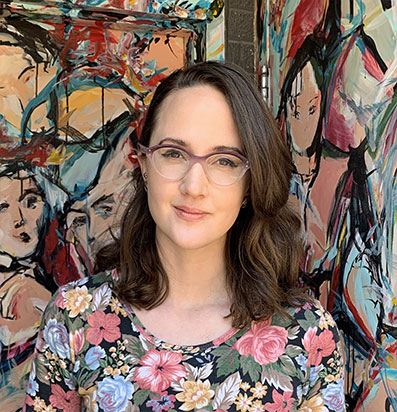
Cressida Frey
MSW, RSW (she/her) Registered Social WorkerAreas of focus:
- Children, Adolescents and Adults
- Violence, Trauma and Healing
- Stress and Anxiety

Derek Cassidy
MSW, RSW
(he/him/they/them)
Registered Social Worker
Areas of focus:
- Relationships and Attachment
- Complex, Relational Trauma
- Sexuality and Sexual Health
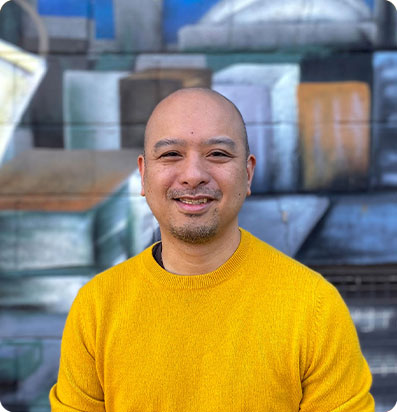
Jesmen Mendoza
C.Psych. (he/him) Adjunct PsychologistAreas of focus:
- Complex Mental Health
- Consultation

Jett Peters
MSW Candidate
(they/them)
Student Therapist
Areas of focus:
- Gender Identity
- Relationship(s) with Food & Body
- Trauma

Kathryn Bargis
MSc, RP (she/her) Registered PsychotherapistAreas of focus:
- Relationships
- Trauma
- Gender and Sexual Identity

Maxine Bower
MSW, RSW (she/her) Registered Social WorkerAreas of focus:
- Attachment in Individuals and in Relationships
- Complex Trauma
- Deepening Connections

Nicholas Sorg
MSc, RP
(he/him)
Registered Psychotherapist
Areas of focus:
- Stress, Anxiety, and Depression
- Sexual Identity Development
- Alternative Relationships, Relationship and Family Stress

Rae Griffin-Carlson
MSW, RSW
(she/her)
Registered Social Worker
Areas of focus:
- 2SLGBTQIA+ Youth & Adults
- Stress, Anxiety & Depression
- Sexual & Gender-based Violence

Rahim Thawer
MSW, RSW
(he/him)
External Clinical Supervisor
Areas of focus:
- Identity Conflict & Shame
- Dating, Relationships, Single by Chance/Choice
- Sexualized Substance Use

Saadia Khan
BA (they/them) Administrative and Social Media Assistant
Stephanie Wu
RP, Professional Art Therapist
(they/them)
Registered Psychotherapist
Areas of focus:
- Intimate Partner Violence, Sexual Assault & Childhood Abuse
- Impacts of Oppression
- 2SLGBTQIA+ Youth & Adults