
We Are a Network of Queer and Trans-identified Mental Health Professionals Who Serve the 2SLGBTQIA Community
Finding affirming mental health support as a 2SLGBTQIA person means locating a therapist who understands queer and trans experiences without requiring you to educate them or defend your identity. Umbrella Mental Health Network provides LGBTQ Mental Health Counseling Conestogo residents can trust, grounded in social justice values and trauma-informed practice. If you live in or near Conestogo and are seeking culturally safe therapy, this guide walks you through the process of connecting with specialized care. Affirming therapy means working with a therapist who recognizes that LGBTQ+ identities are healthy and whole, and who actively challenges the oppressive systems that create distress in queer and trans lives. Think of it like this: a non-affirming approach treats your identity as a problem to solve, while an affirming approach recognizes that discrimination, medical gatekeeping, and social exclusion are the actual problems. Umbrella Mental Health Network centers this understanding in every session, whether you are exploring your gender identity, recovering from trauma, navigating a relationship, or managing anxiety rooted in living in an unsafe world. Before you reach out, reflect on what matters most to you in a therapeutic relationship. Do you need someone with specific expertise in trauma recovery? Are you exploring your sexual or gender identity and need space to do that without judgment? Are you in a relationship structure that mainstream therapists might not understand? Are you a young person in Conestogo questioning your identity? Knowing this helps you communicate what you need. Not every therapist who claims to be LGBTQ+ friendly actually understands the depth of what affirming practice requires. Look for practitioners who explicitly state their values around social justice, anti-oppression work, and decolonization. Umbrella Mental Health Network brings together registered psychotherapists and social workers trained in trauma-informed care with lived understanding of queer and trans realities. When you contact them, you can ask directly about their approach to specific concerns--whether that is supporting a young person in Conestogo through gender exploration, providing couples therapy for same-sex or non-binary partners, working with alternative relationship structures, or addressing trauma rooted in conversion therapy, medical abuse, or systemic discrimination. Request clarity on their clinical framework. Do they understand the difference between distress caused by internal conflict and distress caused by living in an oppressive world? Are they trained in trauma-informed practice? Do they have experience with the specific issues you are facing? A genuinely affirming therapist will welcome these questions and answer them thoroughly. Even the best therapist is not helpful if you cannot actually get to sessions. For people in Conestogo and the surrounding areas, Umbrella Mental Health Network offers services that fit real lives. Consider your practical needs: Do you need in-person appointments, or would virtual sessions work better? What day and time can you consistently show up? Are there financial considerations that matter? Can the practice work with your schedule, and do they offer any flexibility? Being honest about logistics matters because therapy only works if you actually attend. Many people in Conestogo juggle work, family, school, or caregiving responsibilities. If you are a young person whose parents do not know you are queer or trans, you may need afternoon or evening appointments that feel private. If you work irregular hours, you need someone who can accommodate that. These are not minor details--they are the difference between therapy that happens and therapy that stays on a to-do list. Once you have identified that Umbrella Mental Health Network aligns with what you are looking for, reach out directly. Many people feel nervous about this first contact--that is completely normal. You are not committing to anything yet; you are simply opening a conversation. Be honest about what brought you to seek support. Are you dealing with depression or anxiety? Have you experienced trauma? Are you questioning your identity? Are you seeking couples therapy or family support? The therapists at Umbrella are trained to listen without judgment and to help you figure out whether this is the right fit. During your first session, you are also assessing whether this relationship will work for you. Therapy is collaborative, and you have the right to find someone whose style, approach, and energy feel right. Some people know immediately; others need a few sessions to settle in. Both are fine. What matters is that you are working with someone who honors your identity, understands your experience, and meets you with genuine care and expertise. If you live in Conestogo or the Greater Toronto Area and are ready to begin, Umbrella Mental Health Network is here to support you through this process. Umbrella offers individual psychotherapy for LGBTQ+ clients, couples therapy and ethical non-monogamy counselling, trauma and PTSD treatment, gender and sexual identity exploration, and youth and young adult counselling. All services are delivered from a trauma-informed, anti-oppressive, and affirming framework. Yes. Umbrella Mental Health Network serves the Greater Toronto Area including Conestogo and surrounding communities. They specialize in culturally competent care for 2SLGBTQIA individuals and families with expertise in trauma recovery, gender identity exploration, and affirming couples work. Genuinely affirming therapists explicitly state their values around social justice and anti-oppression work, welcome questions about their clinical approach, and understand that your identity is healthy and whole. Ask directly about their experience with your specific concerns, their training in trauma-informed care, and their approach to systemic oppression. Practitioners at Umbrella can explain their framework in detail. Yes. Umbrella Mental Health Network offers confidential individual counselling for young people and adults exploring gender and sexual identity at any stage of that journey. You can discuss privacy needs and scheduling in your first contact to ensure the therapeutic space feels safe. Yes. Umbrella specializes in couples therapy and ethical non-monogamy counselling for LGBTQ+ partners. They bring expertise in queer relationship dynamics, alternative relationship structures, and sex-positive practice to their work. Contact Umbrella Mental Health Network directly to discuss your needs and whether their services are a good fit. Be honest about what brought you to seek support--whether that is trauma recovery, identity exploration, relationship concerns, or mental health challenges. Your first conversation is an opportunity to assess whether this therapeutic relationship will work for you.Lgbtq Mental Health Counseling Conestogo
Step 1: Understand What Affirming Mental Health Support Looks Like
Step 2: Verify the Therapist's Knowledge and Values Alignment
Step 3: Assess Accessibility and Practical Fit
Step 4: Make Contact and Begin Your Relationship
Frequently Asked Questions
What kinds of therapy does Umbrella Mental Health Network provide for LGBTQ+ clients?
Is there affirming LGBTQ mental health counseling available near Conestogo?
How do I know if a therapist is truly affirming versus just claiming to be LGBTQ+-friendly?
Can I access therapy if I am exploring my gender or sexual identity and am not out yet?
Does Umbrella Mental Health Network offer couples therapy for same-sex and non-binary partners?
How do I get started with LGBTQ mental health counseling in Conestogo?

Acknowledgement
Tkaronto and the surrounding areas that we serve are within the Dish With One Spoon Territory. The Dish With One Spoon is a treaty between the Anishinaabe, Mississaugas and Haudenosaunee that bound them to share the territory and protect the land. Subsequent Indigenous Nations and Peoples, Europeans and all newcomers have been invited into this treaty in the spirit of peace, friendship and respect.
We at Umbrella recognize that the professions of psychology, psychotherapy, and social work have roots in colonial violence. As psychotherapists and social workers, we understand that we have a responsibility to continuously work to decolonize the practice of psychotherapy/social work and acknowledge the origins of the various healing practices we utilize.
Our therapists actively engage in regular training that emphasizes professional development, team support, and sharing the current knowledge in 2SLGBTQIA mental health, to ensure the highest level of care for our clients.
Meet Our Team

Christopher Shillington
MA, CCC, RP
(they/them)
Clinic Director/ Registered Psychotherapist
Areas of focus:
- Healthy Relationships
- Intersectional Identities
- Trauma & PTSD

Andrés Gayoso Descalzi
MSW,RSW
(he/him)
Registered Social Worker
Areas of focus:
- Gender Identity & Embodiment
- Life Changes & Transitions
- 2SLGBTQIA+ Youth & Families

Aysha Natsheh
MSW, RSW
Registered Social Worker
Areas of focus:
- Food, Body, Self-Image
- Trauma
- Gender & Sexual Identity

Bushra Ahmed
MSW, RSW
Registered Social Worker
Areas of focus:
- 2SLGBTQIA+ Youth
- Exploring Neurodivergent Identities
- Impact of Oppression & Trauma on Mental Health

Clara Doucette
MA, RP (Qualifying)
(she/her)
Registered Psychotherapist (Qualifying)
Areas of focus:
- Relational Styles & Attachment
- Friendships & Kinship
- Stress
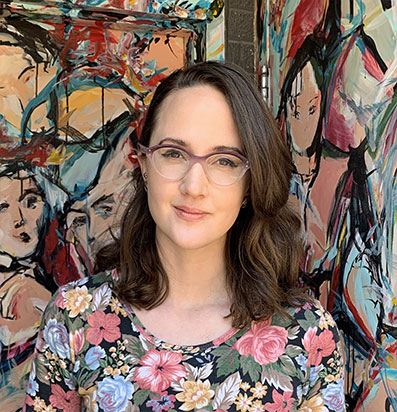
Cressida Frey
MSW, RSW (she/her) Registered Social WorkerAreas of focus:
- Children, Adolescents and Adults
- Violence, Trauma and Healing
- Stress and Anxiety

Derek Cassidy
MSW, RSW
(he/him/they/them)
Registered Social Worker
Areas of focus:
- Relationships and Attachment
- Complex, Relational Trauma
- Sexuality and Sexual Health
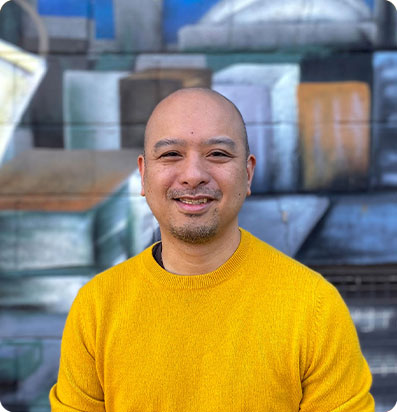
Jesmen Mendoza
C.Psych. (he/him) Adjunct PsychologistAreas of focus:
- Complex Mental Health
- Consultation

Jett Peters
MSW Candidate
(they/them)
Student Therapist
Areas of focus:
- Gender Identity
- Relationship(s) with Food & Body
- Trauma

Kathryn Bargis
MSc, RP (she/her) Registered PsychotherapistAreas of focus:
- Relationships
- Trauma
- Gender and Sexual Identity

Maxine Bower
MSW, RSW (she/her) Registered Social WorkerAreas of focus:
- Attachment in Individuals and in Relationships
- Complex Trauma
- Deepening Connections

Nicholas Sorg
MSc, RP
(he/him)
Registered Psychotherapist
Areas of focus:
- Stress, Anxiety, and Depression
- Sexual Identity Development
- Alternative Relationships, Relationship and Family Stress

Rae Griffin-Carlson
MSW, RSW
(she/her)
Registered Social Worker
Areas of focus:
- 2SLGBTQIA+ Youth & Adults
- Stress, Anxiety & Depression
- Sexual & Gender-based Violence

Rahim Thawer
MSW, RSW
(he/him)
External Clinical Supervisor
Areas of focus:
- Identity Conflict & Shame
- Dating, Relationships, Single by Chance/Choice
- Sexualized Substance Use

Saadia Khan
BA (they/them) Administrative and Social Media Assistant
Stephanie Wu
RP, Professional Art Therapist
(they/them)
Registered Psychotherapist
Areas of focus:
- Intimate Partner Violence, Sexual Assault & Childhood Abuse
- Impacts of Oppression
- 2SLGBTQIA+ Youth & Adults