
We Are a Network of Queer and Trans-identified Mental Health Professionals Who Serve the 2SLGBTQIA Community
Umbrella Mental Health Network provides LGBTQ mental health counseling in Campbellville, serving individuals and couples throughout the Greater Toronto Area who need culturally safe, affirming mental health support grounded in feminist, anti-oppressive practice. Campbellville is a small rural hamlet in Milton, Ontario, where LGBTQ+ individuals and families often navigate isolation alongside the practical realities of commuting to access specialized care. The community values quiet resilience and connection to land, yet mental health resources tailored to 2SLGBTQIA experiences remain scarce in smaller towns across the GTA's periphery. This case study illustrates how one client found the specialized support she needed through Umbrella's approach to therapy in this region. Sarah, a 34-year-old transgender woman living in Campbellville, had been managing depression and anxiety on her own for three years. She had come out five years prior, completed her medical transition, and built a stable life-yet she felt invisible in her small community. Previous attempts at finding a therapist had been discouraging: the two counselors in Milton either lacked LGBTQ+ competency or, when she finally found someone who identified as affirming, did not understand trauma-informed practice or the complex relationship between gender dysphoria, historical trauma, and present-day depression. Her challenges were multifaceted. Sarah carried unprocessed trauma from her coming out process, including rejection by family members and a period of homelessness in her mid-twenties. She also struggled with internalized transphobia-a pattern of self-doubt and shame that surfaced whenever she encountered misgendering or discrimination. Traditional talk therapy had helped somewhat, but her previous therapist had never explored the intersection of her gender identity with her trauma history, nor had they used trauma-informed methods grounded in social justice understanding. Sarah felt that therapy, while well-intentioned, had sometimes reinforced the idea that her identity was something to manage or overcome, rather than something to affirm and integrate. She needed a therapist who understood that gender identity exploration and trauma recovery are not separate clinical tracks, but deeply connected. She also needed someone who would name and address the systemic oppression she had faced, rather than treating her responses to discrimination as individual pathology. Sarah was matched with a registered psychotherapist at Umbrella Mental Health Network who specializes in trauma recovery and gender identity work. The therapist's approach integrated several evidence-based methodologies and Umbrella's core values. The intake process itself differed markedly from Sarah's previous experience: the therapist asked detailed questions about Sarah's gender journey, her safety in different contexts, and the specific traumatic events she had experienced. Critically, the therapist framed these questions from an anti-oppressive lens, naming that discrimination and rejection are real, harmful realities-not distortions that Sarah needed to reframe as positive growth. Over the first six weeks, the therapeutic work focused on establishing safety and building Sarah's window of tolerance-the range of arousal in which her nervous system can process information without becoming dysregulated. This foundation is essential in trauma work. The therapist taught Sarah somatic awareness techniques, grounding practices, and how to recognize when she was moving toward hyperarousal (anxiety, panic) or hypoarousal (dissociation, numbness). Because Sarah had experienced homelessness, her nervous system remained hypervigilant; she would jolt at unexpected sounds and found herself catastrophizing about financial stability despite earning a steady income. Once Sarah could reliably ground herself, the work deepened into processing specific traumatic memories using trauma-sensitive cognitive processing. This method, adapted from cognitive processing therapy, allowed Sarah to examine the impact of traumatic events on her current beliefs about herself-particularly the belief that she was unlovable or fundamentally broken because she was transgender. The therapist helped Sarah distinguish between adaptive responses (caution in unsafe environments) and trauma-driven beliefs (the conclusion that all relationships would reject her). Simultaneously, the therapist consistently affirmed Sarah's gender identity and named the real prejudice she had faced, positioning her resilience as a strength rooted in survival, not pathology. At the same time, the therapist addressed internalized transphobia directly. Internalized oppression-the adoption of societal prejudices into one's self-concept-is a measurable clinical phenomenon, not a personal failing. It required targeted intervention: Sarah worked to identify moments when she heard the voices of people who had rejected her, playing in her own mind, and to consciously redirect her internal narrative toward self-compassion and affirmation. This cognitive work was paired with somatic practices; Sarah learned to recognize when shame was moving through her body and how to breathe through it rather than acting on the impulse to self-isolate. Sarah also benefited from the therapist's knowledge of queer and trans identity development theory. Rather than pathologizing her questions about gender expression or her evolving relationship with her body, the therapist created space for genuine exploration. Sarah had never had permission to ask "What does my femininity mean to me?" without someone suggesting she was unstable or confused. This therapeutic stance-supporting identity as a living, dynamic process rather than a fixed endpoint-was transformative. Umbrella's registered psychotherapists and social workers are trained in anti-oppressive practice, which means they actively work to interrupt the ways systemic power imbalances show up in the therapy room itself. This approach differs fundamentally from traditional therapy frameworks that position the therapist as an objective expert and the client as a passive recipient of treatment. Instead, Umbrella therapists acknowledge the real power differential and work collaboratively, inviting clients into decisions about treatment direction and pace. Sarah was asked regularly, "How is this work landing for you?" and "What do you need from me in this moment?" The feminist values that ground Umbrella's work also shaped Sarah's therapy. Feminist therapy examines how gender, power, and socialization have shaped a person's experience. For Sarah, this meant exploring not only her personal gender identity but also how patriarchy, transmisogyny, and other systems of oppression had affected her trauma, her healing, and her sense of safety in the world. Her therapist helped her understand that her depression was not simply a brain chemistry problem-though neurochemistry is part of the picture-but also a rational response to the real marginalization she had faced. Umbrella's sex-positive and kink-positive framework also created permission for Sarah to explore her sexuality without shame or judgment. She had avoided sexual intimacy for years out of dysphoria and fear; the therapist helped her understand that she could define sexuality and intimacy on her own terms, and that reclaiming her body's capacity for pleasure was part of her healing. This stance-that sexuality and gender are sources of joy and autonomy, not just clinical categories to manage-reflects Umbrella's decolonial approach to mental health. After six months of consistent weekly therapy, Sarah's symptoms had shifted measurably. Her anxiety had not disappeared, but her relationship to it had changed. She could now recognize the difference between reasonable caution in genuinely unsafe situations and trauma-driven fear that no longer matched her actual circumstances. She was sleeping through the night, a milestone that had eluded her for years. Her rumination-the circular, catastrophic thinking that had consumed hours of her day-had decreased significantly. More importantly, Sarah's sense of herself had transformed. She reported feeling, for the first time in her adult life, that her transgender identity was not a problem to solve but a core part of who she was. She had begun to date again, having processed enough of her relational trauma to engage with vulnerability. She was more present at work and had deepened friendships, having stepped out of the isolation that once felt necessary for survival. She still experienced triggers, still had difficult days, but she now had the tools and the internal framework to move through them. The therapy also equipped Sarah to recognize and resist ongoing microaggressions and discrimination without internalizing them as truths about herself. When a family member misgendered her, she could feel the sting, name it as disrespect, and hold firm in her identity rather than spiraling into self-doubt. This capacity-to maintain a strong sense of self in the face of oppression-is a clinical achievement grounded in solid therapeutic work. Sarah continues in therapy on a less frequent basis, moving from weekly to biweekly sessions as she consolidates her gains and works on longer-term goals, including reconnecting with her estranged parents and exploring her creative interests. The work is ongoing, as it should be; healing is not a destination but a continuous practice. Yet the foundation has shifted. Sarah now has a therapist who understands her-not just as a trans woman, but as a specific person with a particular history, a particular resilience, and a particular vision for her life. If you are searching for mental health support in Campbellville or elsewhere in the Greater Toronto Area, Umbrella Mental Health Network offers trauma-informed, culturally competent care for LGBTQ+ individuals and families. Reach out to learn how we work and whether we might be a good fit for your needs. Campbellville itself has limited mental health services. Umbrella Mental Health Network, based in Toronto and serving the Greater Toronto Area, provides specialized LGBTQ mental health counseling accessible to clients in and around Campbellville. We offer in-person and virtual sessions, making affirming, trauma-informed care available regardless of your location in the GTA. Trauma-informed therapy is grounded in understanding how traumatic experiences change the nervous system and affect how a person perceives safety, trust, and self-worth. Rather than asking 'What is wrong with you?', trauma-informed therapists ask 'What happened to you?' and recognize that many struggles are adaptive responses to real harm. This approach respects your pacing, choice, and agency throughout the healing process. Yes. Umbrella's registered psychotherapists have expertise in gender identity exploration and affirm gender as a dynamic, evolving aspect of self. We provide non-directive, supportive therapy that honors your questions and journey, whether you are early in your exploration or consolidating a clear sense of identity. We do not pathologize gender diversity or push you toward any particular outcome. Anti-oppressive practice means actively working to interrupt the ways power imbalances-including those based on gender, sexuality, race, class, and other systems-show up in therapy itself. Therapists acknowledge their power and invite clients into collaborative decision-making. We name systemic oppression as real, not as distortion, and help clients understand their struggles in context while building their agency and resilience. Umbrella offers couples therapy and ethical non-monogamy (ENM) counseling grounded in affirming, feminist values. We help partners navigate communication, intimacy, trauma history, and relational dynamics within a framework that honors diverse relationship structures. Sessions focus on building understanding, repairing ruptures, and strengthening connection. Umbrella offers both in-person sessions in Toronto and virtual appointments, making care accessible to clients throughout the Greater Toronto Area, including those in Campbellville. Virtual sessions are conducted securely and provide the same quality of therapeutic relationship and clinical expertise as in-person work.Lgbtq Mental Health Counseling Campbellville
The Problem: Isolation and Unmet Clinical Needs in a Rural Setting
The most common barrier to care for LGBTQ+ individuals in rural and semi-rural areas is not lack of willingness to seek help, but lack of access to clinicians trained in both trauma-informed practice and affirmative LGBTQ+ care grounded in social justice values.
The Approach: Trauma-Informed Gender-Affirming Therapy
The Clinical Framework: Anti-Oppressive, Feminist, Trauma-Informed Practice
The Result: Integration, Autonomy, and Sustained Improvement
Frequently Asked Questions
Is there LGBTQ mental health counseling available in Campbellville?
What makes trauma-informed therapy different from standard counseling?
Do you provide therapy specifically for gender identity exploration?
What is anti-oppressive practice in therapy?
How does Umbrella approach couples therapy for LGBTQ+ partners?
Can I access mental health counseling from home or do I need to come to Toronto?

Acknowledgement
Tkaronto and the surrounding areas that we serve are within the Dish With One Spoon Territory. The Dish With One Spoon is a treaty between the Anishinaabe, Mississaugas and Haudenosaunee that bound them to share the territory and protect the land. Subsequent Indigenous Nations and Peoples, Europeans and all newcomers have been invited into this treaty in the spirit of peace, friendship and respect.
We at Umbrella recognize that the professions of psychology, psychotherapy, and social work have roots in colonial violence. As psychotherapists and social workers, we understand that we have a responsibility to continuously work to decolonize the practice of psychotherapy/social work and acknowledge the origins of the various healing practices we utilize.
Our therapists actively engage in regular training that emphasizes professional development, team support, and sharing the current knowledge in 2SLGBTQIA mental health, to ensure the highest level of care for our clients.
Meet Our Team

Christopher Shillington
MA, CCC, RP
(they/them)
Clinic Director/ Registered Psychotherapist
Areas of focus:
- Healthy Relationships
- Intersectional Identities
- Trauma & PTSD

Andrés Gayoso Descalzi
MSW,RSW
(he/him)
Registered Social Worker
Areas of focus:
- Gender Identity & Embodiment
- Life Changes & Transitions
- 2SLGBTQIA+ Youth & Families

Aysha Natsheh
MSW, RSW
Registered Social Worker
Areas of focus:
- Food, Body, Self-Image
- Trauma
- Gender & Sexual Identity

Bushra Ahmed
MSW, RSW
Registered Social Worker
Areas of focus:
- 2SLGBTQIA+ Youth
- Exploring Neurodivergent Identities
- Impact of Oppression & Trauma on Mental Health

Clara Doucette
MA, RP (Qualifying)
(she/her)
Registered Psychotherapist (Qualifying)
Areas of focus:
- Relational Styles & Attachment
- Friendships & Kinship
- Stress
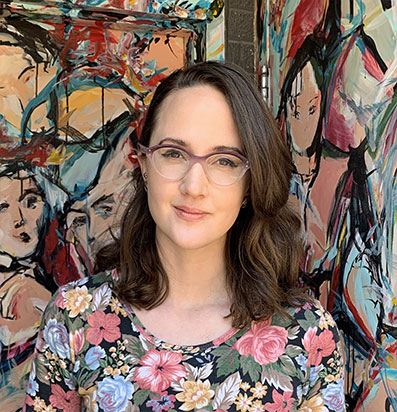
Cressida Frey
MSW, RSW (she/her) Registered Social WorkerAreas of focus:
- Children, Adolescents and Adults
- Violence, Trauma and Healing
- Stress and Anxiety

Derek Cassidy
MSW, RSW
(he/him/they/them)
Registered Social Worker
Areas of focus:
- Relationships and Attachment
- Complex, Relational Trauma
- Sexuality and Sexual Health
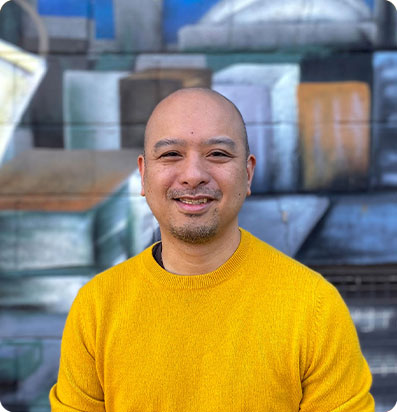
Jesmen Mendoza
C.Psych. (he/him) Adjunct PsychologistAreas of focus:
- Complex Mental Health
- Consultation

Jett Peters
MSW Candidate
(they/them)
Student Therapist
Areas of focus:
- Gender Identity
- Relationship(s) with Food & Body
- Trauma

Kathryn Bargis
MSc, RP (she/her) Registered PsychotherapistAreas of focus:
- Relationships
- Trauma
- Gender and Sexual Identity

Maxine Bower
MSW, RSW (she/her) Registered Social WorkerAreas of focus:
- Attachment in Individuals and in Relationships
- Complex Trauma
- Deepening Connections

Nicholas Sorg
MSc, RP
(he/him)
Registered Psychotherapist
Areas of focus:
- Stress, Anxiety, and Depression
- Sexual Identity Development
- Alternative Relationships, Relationship and Family Stress

Rae Griffin-Carlson
MSW, RSW
(she/her)
Registered Social Worker
Areas of focus:
- 2SLGBTQIA+ Youth & Adults
- Stress, Anxiety & Depression
- Sexual & Gender-based Violence

Rahim Thawer
MSW, RSW
(he/him)
External Clinical Supervisor
Areas of focus:
- Identity Conflict & Shame
- Dating, Relationships, Single by Chance/Choice
- Sexualized Substance Use

Saadia Khan
BA (they/them) Administrative and Social Media Assistant
Stephanie Wu
RP, Professional Art Therapist
(they/them)
Registered Psychotherapist
Areas of focus:
- Intimate Partner Violence, Sexual Assault & Childhood Abuse
- Impacts of Oppression
- 2SLGBTQIA+ Youth & Adults