
We Are a Network of Queer and Trans-identified Mental Health Professionals Who Serve the 2SLGBTQIA Community
LGBTQ Mental Health Counseling Cambridge offers affirming, specialized mental health support designed specifically for people in the 2SLGBTQIA community. If you are exploring your gender identity, healing from trauma, navigating a queer relationship, or simply need a therapist who understands your lived experience, Umbrella Mental Health Network brings registered psychotherapists and social workers to Cambridge and the surrounding area who center your needs with cultural competence and social justice values. Cambridge is a growing, diverse community in the Regional Municipality of Waterloo, home to people of many backgrounds and identities. Yet accessing mental health support that does not require you to educate your therapist about what it means to be queer, trans, non-binary, or two-spirit can feel impossible. Many therapists, even well-meaning ones, operate from frameworks that pathologize LGBTQ+ identity or fail to understand the specific stressors you face: discrimination, family rejection, healthcare barriers, or the cumulative weight of living in a world not designed for you. Umbrella Mental Health Network brings a different approach to Cambridge. Our therapists practice from an anti-oppressive framework grounded in feminism, social justice, and decolonization. This means we do not ask you to "fix" your identity or assimilate into straight or cisgender norms. Instead, we work with you to build resilience, process trauma, and move toward a life that feels authentic and whole. Because you deserve a therapist who gets it without you having to explain. Trauma is not only about single catastrophic events. For many LGBTQ+ people in Cambridge and beyond, trauma accumulates through repeated experiences of rejection, violence, erasure, and systemic exclusion. A parent's reaction to your coming out, a healthcare provider's refusal to use your pronouns, the constant vigilance of navigating spaces where your safety feels uncertain-these wound the nervous system just as deeply as a single dramatic incident. Trauma-informed care recognizes this reality. At Umbrella Mental Health Network, our approach to trauma and PTSD treatment begins with understanding how marginalization shows up in your body and mind. We use evidence-based methods while honoring the truth that healing requires safety, choice, and control-the very things trauma takes from you. Our therapists are trained to notice signs of trauma activation and to move at a pace that allows your nervous system to regulate, not retraumatize. If you are in Cambridge and questioning your gender identity, sexual orientation, or both, you may feel pressure to arrive at a final answer quickly. The culture around you-whether family, peers, or even medical systems-often demands certainty. But identity is not a fixed destination you reach and stay at forever. It is lived, embodied, relational, and it can shift over time. Our gender and sexual identity exploration work with Umbrella Mental Health Network creates space for curiosity without rushing. We help you understand what feels true in your body and heart, separate from external pressure. Whether you are questioning for the first time or deepening your understanding years into transition, our therapists meet you with affirmation and expertise. We recognize that exploration itself is valid and valuable, and that naming your identity-or choosing not to-is a profound act of self-determination. Queer relationships exist within different frameworks than heterosexual ones. Some couples navigate ethical non-monogamy, polyamory, or other relationship structures that require a therapist who does not default to monogamy as the only healthy choice. Some partners are at different stages of transition or coming out. Some couples have survived trauma together and need help rebuilding trust and intimacy. Umbrella Mental Health Network provides couples therapy and ENM counselling grounded in the understanding that queer relationships are often creative, resilient, and structured in ways that serve the people in them. Our therapists work with what you have designed, not against it. We also practice from a sex-positive and kink-positive framework, recognizing that sexuality and intimacy are central to wellbeing and deserve exploration without shame. Because the relationship you have built deserves support from someone who believes in it. Being LGBTQ+ as a young person carries its own particular weight. You may be navigating school, family relationships, peer dynamics, and identity formation all at once. You might be the first in your family to come out, or you might be in a community where queerness is more visible but still faces barriers. You are developing your sense of self while the world is telling you it is wrong, and that contradiction shapes everything from your mental health to your relationships to your academic performance. Our youth and young adult counselling at Umbrella Mental Health Network is designed by people who understand this stage of life and the specific pressures you face. We help you build resilience, navigate family dynamics, process peer experiences, and develop a sense of self that is grounded in your own values rather than internalized shame. We also recognize that young people are often the first to explore gender and sexuality in their families, which can create isolation or conflict. Our therapists are skilled at working with these dynamics and can support both you and your family as you all adjust. Cultural competence in mental health means more than using correct pronouns, though that is foundational. It means understanding the history of psychiatric pathologization of LGBTQ+ people, the real barriers queer people face in healthcare settings, and the ways that race, class, disability, immigration status, and other identities intersect with gender and sexual identity to shape your experience. It means knowing that one-size-fits-all therapy models do not work. Umbrella Mental Health Network brings this framework to every session, whether you are in Cambridge or elsewhere in the greater Toronto area. Our team includes registered psychotherapists and social workers trained in anti-oppressive practice, which means we continuously examine our own biases and the ways that power shapes the therapy room. Many LGBTQ+ people in Cambridge and beyond carry a message that asking for help is weakness. You have learned to survive by being resilient, by managing on your own, by not burdening others. That survival made sense. And now, reaching out to a therapist is not a sign that you have failed to cope-it is a sign that you value yourself enough to invest in your own healing and growth. Whether you are managing anxiety and depression, processing trauma, exploring your identity, strengthening a relationship, or building a life that feels authentic, therapy can be a space where you do not have to explain, defend, or minimize your experience. You can simply be, and be witnessed by someone trained to help you move toward greater freedom and wholeness. If you are in Cambridge or the surrounding region and this resonates with you, Umbrella Mental Health Network is here. We invite you to reach out and learn more about how our services might support your journey. You can contact us through our website at umhn.ca to discuss what you are looking for and how we might help. Both are licensed regulated professionals who provide therapy, but they may have different training backgrounds. Registered Psychotherapists (RPs) and Registered Social Workers (RSWs) both use evidence-based approaches to help with mental health concerns. At Umbrella Mental Health Network, our team includes both, and the choice of therapist is based on your needs, therapeutic approach, and what feels right for you. Yes. Umbrella Mental Health Network provides specialized, affirming mental health counseling for the 2SLGBTQIA community in Cambridge and throughout the greater Toronto area. Our therapists are trained in trauma-informed, culturally competent care specifically designed for queer, trans, and gender-diverse people. Trauma-informed care recognizes that many LGBTQ+ people carry trauma from discrimination, rejection, and systemic marginalization. Our therapists understand how trauma shows up in your body and nervous system, and we work at a pace that allows healing without retraumatization. We prioritize your safety, choice, and control throughout the therapy process. Yes. Umbrella Mental Health Network specializes in couples therapy and ENM counselling for queer couples. Our therapists work from a sex-positive, kink-positive framework and do not assume monogamy is the only healthy relationship structure. We support diverse relationship models and help couples navigate intimacy, communication, and conflict within the framework that works for them. Young adults face unique pressures: identity development, family dynamics, peer relationships, and school or work stress all happening at once. Umbrella's youth and young adult counselling addresses these specific challenges and helps you build a sense of self grounded in your own values rather than external shame or pressure. Anti-oppressive care means our therapists examine how power, discrimination, and systemic oppression shape your experiences and mental health. We do not ask you to assimilate or change your identity; instead, we work with you to build resilience and move toward authentic living. We also continuously examine our own biases to ensure the therapy room is genuinely safe. You can reach out through our website at umhn.ca to learn more about our services, meet our team, and discuss what you are looking for. Our team will help match you with a therapist and answer questions about how we can support your specific needs.Lgbtq Mental Health Counseling Cambridge
1. Cambridge Deserves Mental Health Care That Actually Understands Queer Life
2. Trauma-Informed Care Recognizes That Marginalization Itself Can Wound
3. Gender and Sexual Identity Exploration Is a Process, Not a Problem to Solve
4. Couples Therapy and Ethical Non-Monogamy Support Are Specialized Skills
5. Youth and Young Adults in Cambridge Have Distinct Needs
6. Mental Health in Cambridge Works Best With a Culturally Competent Team
Approach Culturally Competent LGBTQ+ Therapy Generic Therapy Identity Exploration Affirms identity as healthy; explores meaning without judgment May pathologize non-heterosexual or non-cisgender identity Trauma Understanding Recognizes marginalization and systemic oppression as trauma sources May focus only on individual incidents, miss structural factors Relationship Models Supports diverse relationship structures, including ethical non-monogamy Assumes monogamy as default healthy model Intersectionality Understands how multiple identities compound experiences May treat identities in isolation 7. Seeking Support Is an Act of Strength and Self-Care
Frequently Asked Questions
What is the difference between a psychotherapist and a social worker in mental health counseling?
Does Umbrella Mental Health Network offer LGBTQ Mental Health Counseling Cambridge?
What does trauma-informed care mean in LGBTQ+ mental health?
Can Umbrella help with couples therapy and ethical non-monogamy counseling?
How is therapy different for young adults exploring gender or sexual identity?
What does anti-oppressive mental health care look like in practice?
How do I get started with Umbrella Mental Health Network?

Acknowledgement
Tkaronto and the surrounding areas that we serve are within the Dish With One Spoon Territory. The Dish With One Spoon is a treaty between the Anishinaabe, Mississaugas and Haudenosaunee that bound them to share the territory and protect the land. Subsequent Indigenous Nations and Peoples, Europeans and all newcomers have been invited into this treaty in the spirit of peace, friendship and respect.
We at Umbrella recognize that the professions of psychology, psychotherapy, and social work have roots in colonial violence. As psychotherapists and social workers, we understand that we have a responsibility to continuously work to decolonize the practice of psychotherapy/social work and acknowledge the origins of the various healing practices we utilize.
Our therapists actively engage in regular training that emphasizes professional development, team support, and sharing the current knowledge in 2SLGBTQIA mental health, to ensure the highest level of care for our clients.
Meet Our Team

Christopher Shillington
MA, CCC, RP
(they/them)
Clinic Director/ Registered Psychotherapist
Areas of focus:
- Healthy Relationships
- Intersectional Identities
- Trauma & PTSD

Andrés Gayoso Descalzi
MSW,RSW
(he/him)
Registered Social Worker
Areas of focus:
- Gender Identity & Embodiment
- Life Changes & Transitions
- 2SLGBTQIA+ Youth & Families

Aysha Natsheh
MSW, RSW
Registered Social Worker
Areas of focus:
- Food, Body, Self-Image
- Trauma
- Gender & Sexual Identity

Bushra Ahmed
MSW, RSW
Registered Social Worker
Areas of focus:
- 2SLGBTQIA+ Youth
- Exploring Neurodivergent Identities
- Impact of Oppression & Trauma on Mental Health

Clara Doucette
MA, RP (Qualifying)
(she/her)
Registered Psychotherapist (Qualifying)
Areas of focus:
- Relational Styles & Attachment
- Friendships & Kinship
- Stress
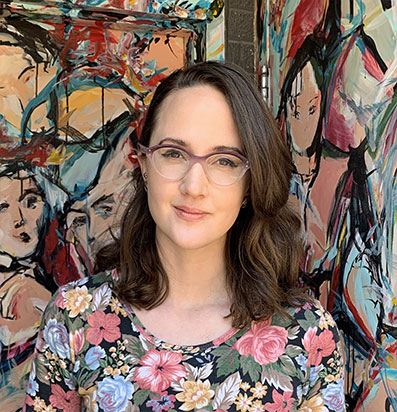
Cressida Frey
MSW, RSW (she/her) Registered Social WorkerAreas of focus:
- Children, Adolescents and Adults
- Violence, Trauma and Healing
- Stress and Anxiety

Derek Cassidy
MSW, RSW
(he/him/they/them)
Registered Social Worker
Areas of focus:
- Relationships and Attachment
- Complex, Relational Trauma
- Sexuality and Sexual Health
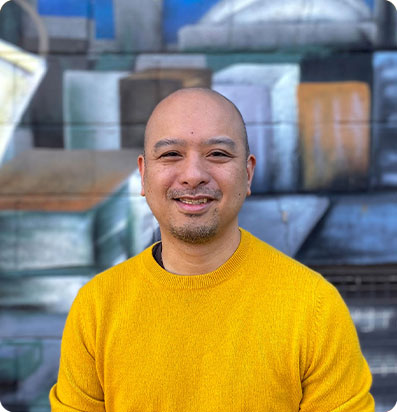
Jesmen Mendoza
C.Psych. (he/him) Adjunct PsychologistAreas of focus:
- Complex Mental Health
- Consultation

Jett Peters
MSW Candidate
(they/them)
Student Therapist
Areas of focus:
- Gender Identity
- Relationship(s) with Food & Body
- Trauma

Kathryn Bargis
MSc, RP (she/her) Registered PsychotherapistAreas of focus:
- Relationships
- Trauma
- Gender and Sexual Identity

Maxine Bower
MSW, RSW (she/her) Registered Social WorkerAreas of focus:
- Attachment in Individuals and in Relationships
- Complex Trauma
- Deepening Connections

Nicholas Sorg
MSc, RP
(he/him)
Registered Psychotherapist
Areas of focus:
- Stress, Anxiety, and Depression
- Sexual Identity Development
- Alternative Relationships, Relationship and Family Stress

Rae Griffin-Carlson
MSW, RSW
(she/her)
Registered Social Worker
Areas of focus:
- 2SLGBTQIA+ Youth & Adults
- Stress, Anxiety & Depression
- Sexual & Gender-based Violence

Rahim Thawer
MSW, RSW
(he/him)
External Clinical Supervisor
Areas of focus:
- Identity Conflict & Shame
- Dating, Relationships, Single by Chance/Choice
- Sexualized Substance Use

Saadia Khan
BA (they/them) Administrative and Social Media Assistant
Stephanie Wu
RP, Professional Art Therapist
(they/them)
Registered Psychotherapist
Areas of focus:
- Intimate Partner Violence, Sexual Assault & Childhood Abuse
- Impacts of Oppression
- 2SLGBTQIA+ Youth & Adults