
We Are a Network of Queer and Trans-identified Mental Health Professionals Who Serve the 2SLGBTQIA Community
LGBTQ mental health counseling in Brunner connects queer and trans individuals with psychotherapists who understand the distinct challenges facing the 2SLGBTQIA community and provide affirming, evidence-based support rooted in social justice values. Brunner residents seeking mental health care often face a barrier: finding a therapist who understands both the clinical dimensions of trauma, anxiety, and depression alongside the lived reality of navigating systems and relationships as a queer or trans person. Umbrella Mental Health Network brings specialized expertise to Brunner and the wider GTA, with registered psychotherapists and social workers trained in trauma-informed, anti-oppressive practice. What follows is what you should know before beginning this work. Trauma-informed practice in LGBTQ mental health counseling goes beyond symptom reduction. Umbrella's approach recognizes that many queer and trans people carry wounds inflicted not only by individual incidents but by structural oppression-discrimination in healthcare, family rejection, workplace harassment, or medical trauma tied to transition care. A trauma-informed therapist working in Brunner and across the GTA understands these systemic roots and does not pathologize your survival responses. This methodology shapes how clinicians ask questions, build safety within the therapeutic relationship, and collaboratively develop treatment plans. Rather than viewing anxiety as a disorder to eliminate, a trauma-informed perspective asks: what has your nervous system learned to fear, and why? Because this framework centers your experience as rational and adaptive, you are positioned as expert in your own healing. Mental health counseling is not neutral. The therapist holds clinical authority, but anti-oppressive practice at Umbrella means actively interrogating how systems of power operate in the therapeutic relationship itself. This involves explicit attention to race, class, disability, immigration status, and other dimensions of identity that intersect with sexual orientation and gender identity. Brunner residents working with an anti-oppressive therapist can expect practitioners to name their own social location, to avoid centering cis and heteronormative frameworks, and to recognize that two clients presenting with identical diagnoses may need entirely different interventions because their social contexts are vastly different. Feminist theory and decolonial thinking inform this work, ensuring that therapy does not reinscribe the very systems that have caused harm. Umbrella's clinicians bring depth in several areas that matter to queer and trans life: Whether you are processing historical trauma, exploring your identity in a new way, navigating a relationship transition, or simply needing mental health support as a queer or trans person, Brunner-based clients can access clinicians with demonstrated competence in these areas rather than generalist providers unfamiliar with queer-specific considerations. Many LGBTQ individuals discover that mainstream mental health spaces pathologize sexual expression, desire, and relationship structures that are central to their lives. Umbrella's sex-positive and kink-aware framework means that therapists do not view sexual identity, sexual pleasure, or consensual non-traditional relationships as problems requiring correction. Instead, this approach treats sexuality as a legitimate domain of human experience deserving clinical attention and respect. For Brunner clients exploring gender through sexual expression, processing sexual trauma while maintaining a positive relationship to pleasure, or navigating the intersection of sexuality and mental health, this framework creates space for honest conversation without shame or judgment embedded in the therapeutic stance. Competence is not achieved through a single training or credential-it emerges from ongoing learning, community accountability, and often from lived experience. Umbrella's clinicians bring not only professional qualifications as registered psychotherapists and social workers but also grounding in feminist, decolonial, and queer-affirming theory. Many also work from direct experience within the 2SLGBTQIA community, though all are held to standards of cultural humility and continuous learning. Culturally competent care in Brunner means a therapist who understands the difference between sex and gender, knows that transition looks different for every person, recognizes that coming out is not a single event but an ongoing process, and understands the intersections between queerness and other identities. Because Umbrella serves the broader GTA including Brunner, the network can match clients with clinicians whose clinical expertise and personal positioning align with their needs. If you are seeking mental health support as a queer or trans person in Brunner or the Greater Toronto Area, Umbrella Mental Health Network is ready to connect you with a therapist who brings both rigor and genuine care to this work. Reach out to explore whether their services are a fit for where you are right now. Both registered psychotherapists and social workers at Umbrella hold professional credentials and provide counseling and psychotherapy. Registered psychotherapists typically focus on talk therapy and psychological change, while social workers often bring expertise in systems navigation, resources, and how social factors affect mental health. Both are trained in trauma-informed, anti-oppressive practice. Your fit with a specific clinician depends on their approach and experience, not their credential. Service delivery options vary by clinician. Contact Umbrella Mental Health Network directly to ask about availability in Brunner and whether your preferred therapist offers virtual sessions. Virtual counseling can be especially valuable if your schedule or privacy needs make in-person sessions difficult, though some clients prefer the grounding of meeting face-to-face. Individual therapy helps you process your own experiences and develop insight and coping skills. Couples therapy addresses relationship dynamics, communication, and shared challenges between partners. Many people benefit from both at different times. Umbrella's clinicians can help you assess what you need during an initial consultation and may recommend one, the other, or both depending on your situation. Yes. Umbrella offers youth and young adult counseling, including support for gender and sexual identity exploration. Trans and non-binary teens and young adults in Brunner and the GTA can access clinicians trained in developmental psychology and affirming trans care. Initial contact with Umbrella can clarify age-specific services and which clinicians have expertise working with younger clients.Lgbtq Mental Health Counseling Brunner
1. Trauma-Informed Care Means Understanding Systems, Not Just Symptoms
2. Anti-Oppressive Practice Means Examining Power in the Room
3. LGBTQ Mental Health Counseling Brunner Includes Specialized Expertise Across Multiple Domains
4. Sex-Positivity and Kink-Awareness Are Clinical Assets, Not Afterthoughts
5. Culturally Competent Care Means Therapists Who Know Queer and Trans Life From Within
Frequently Asked Questions
What is the difference between a psychotherapist and a social worker at Umbrella?
Is LGBTQ mental health counseling in Brunner available online or only in person?
How do I know if I need couples therapy versus individual counseling?
Does Umbrella serve trans youth and young adults in Brunner?

Acknowledgement
Tkaronto and the surrounding areas that we serve are within the Dish With One Spoon Territory. The Dish With One Spoon is a treaty between the Anishinaabe, Mississaugas and Haudenosaunee that bound them to share the territory and protect the land. Subsequent Indigenous Nations and Peoples, Europeans and all newcomers have been invited into this treaty in the spirit of peace, friendship and respect.
We at Umbrella recognize that the professions of psychology, psychotherapy, and social work have roots in colonial violence. As psychotherapists and social workers, we understand that we have a responsibility to continuously work to decolonize the practice of psychotherapy/social work and acknowledge the origins of the various healing practices we utilize.
Our therapists actively engage in regular training that emphasizes professional development, team support, and sharing the current knowledge in 2SLGBTQIA mental health, to ensure the highest level of care for our clients.
Meet Our Team

Christopher Shillington
MA, CCC, RP
(they/them)
Clinic Director/ Registered Psychotherapist
Areas of focus:
- Healthy Relationships
- Intersectional Identities
- Trauma & PTSD

Andrés Gayoso Descalzi
MSW,RSW
(he/him)
Registered Social Worker
Areas of focus:
- Gender Identity & Embodiment
- Life Changes & Transitions
- 2SLGBTQIA+ Youth & Families

Aysha Natsheh
MSW, RSW
Registered Social Worker
Areas of focus:
- Food, Body, Self-Image
- Trauma
- Gender & Sexual Identity

Bushra Ahmed
MSW, RSW
Registered Social Worker
Areas of focus:
- 2SLGBTQIA+ Youth
- Exploring Neurodivergent Identities
- Impact of Oppression & Trauma on Mental Health

Clara Doucette
MA, RP (Qualifying)
(she/her)
Registered Psychotherapist (Qualifying)
Areas of focus:
- Relational Styles & Attachment
- Friendships & Kinship
- Stress
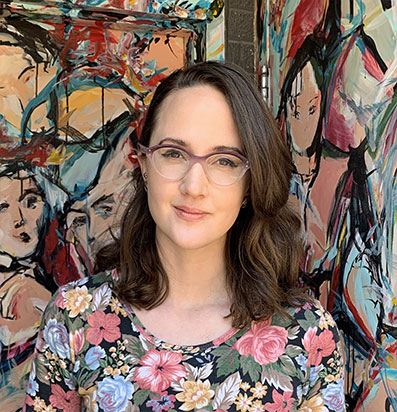
Cressida Frey
MSW, RSW (she/her) Registered Social WorkerAreas of focus:
- Children, Adolescents and Adults
- Violence, Trauma and Healing
- Stress and Anxiety

Derek Cassidy
MSW, RSW
(he/him/they/them)
Registered Social Worker
Areas of focus:
- Relationships and Attachment
- Complex, Relational Trauma
- Sexuality and Sexual Health
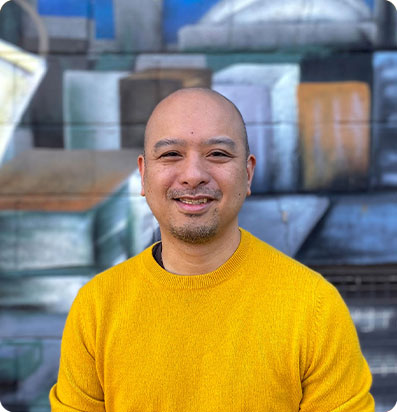
Jesmen Mendoza
C.Psych. (he/him) Adjunct PsychologistAreas of focus:
- Complex Mental Health
- Consultation

Jett Peters
MSW Candidate
(they/them)
Student Therapist
Areas of focus:
- Gender Identity
- Relationship(s) with Food & Body
- Trauma

Kathryn Bargis
MSc, RP (she/her) Registered PsychotherapistAreas of focus:
- Relationships
- Trauma
- Gender and Sexual Identity

Maxine Bower
MSW, RSW (she/her) Registered Social WorkerAreas of focus:
- Attachment in Individuals and in Relationships
- Complex Trauma
- Deepening Connections

Nicholas Sorg
MSc, RP
(he/him)
Registered Psychotherapist
Areas of focus:
- Stress, Anxiety, and Depression
- Sexual Identity Development
- Alternative Relationships, Relationship and Family Stress

Rae Griffin-Carlson
MSW, RSW
(she/her)
Registered Social Worker
Areas of focus:
- 2SLGBTQIA+ Youth & Adults
- Stress, Anxiety & Depression
- Sexual & Gender-based Violence

Rahim Thawer
MSW, RSW
(he/him)
External Clinical Supervisor
Areas of focus:
- Identity Conflict & Shame
- Dating, Relationships, Single by Chance/Choice
- Sexualized Substance Use

Saadia Khan
BA (they/them) Administrative and Social Media Assistant
Stephanie Wu
RP, Professional Art Therapist
(they/them)
Registered Psychotherapist
Areas of focus:
- Intimate Partner Violence, Sexual Assault & Childhood Abuse
- Impacts of Oppression
- 2SLGBTQIA+ Youth & Adults