
We Are a Network of Queer and Trans-identified Mental Health Professionals Who Serve the 2SLGBTQIA Community
LGBTQ mental health counseling in Bright connects you with registered psychotherapists and social workers trained to support the 2SLGBTQIA community through specialized, culturally safe care. Umbrella Mental Health Network serves individuals, couples, and families across the Greater Toronto Area, including Bright, with counseling grounded in trauma-informed practice, anti-oppressive values, and genuine understanding of queer and trans experience. Bright residents seeking mental health support deserve more than generic therapy. The community includes LGBTQ+ individuals at every stage of their journey-those exploring gender identity, working through trauma, navigating relationships, or managing anxiety in a world that has not always felt safe. Umbrella brings specialized expertise to these experiences because they matter, and because affirmation and clinical skill are not in conflict; they work together. Effective counseling for LGBTQ+ clients in Bright rests on several foundational elements that distinguish specialized practice from general therapy. Umbrella's approach centers on these core components: Bright residents working with Umbrella access psychotherapists and social workers with specific training in gender identity exploration, couples therapy including ethical non-monogamy and other alternative relationship structures, trauma recovery including PTSD treatment, and youth and young adult counseling. This specialization matters because gender dysphoria requires different clinical knowledge than depression, and polyamorous relationship challenges differ from monogamous couple conflicts. Generic training does not prepare therapists to work competently in these areas. Not all mental health counseling in the region operates from the same clinical foundation. The table below outlines how specialized LGBTQ+ practice differs from generic mental health support: For Bright residents working through gender identity questions, this distinction becomes urgent. A therapist unfamiliar with gender-affirming care might pathologize exploration or center the concerns of family members rather than the client's own knowing. Umbrella's gender specialists approach identity work collaboratively, supporting clients to discover what feels true rather than directing them toward predetermined outcomes. Similarly, couples in Bright exploring ethical non-monogamy, polyamory, or other relationship structures need counseling that treats these models as legitimate, not as symptoms of commitment problems. Umbrella's couples therapy includes specific training in alternative relationship structures, allowing therapists to help navigate the real complexities of ENM without judgment or missionary impulse toward monogamy. Umbrella Mental Health Network serves Bright as part of the broader Greater Toronto Area, meaning you access clinicians trained in urban LGBTQ+ mental health who understand both metropolitan community resources and the particular experience of smaller towns where visibility may feel more complicated. Clients report that having a therapist who understands their identity without explanation, who uses correct language without being corrected, and who centers their wellbeing rather than family approval creates the safety necessary for real healing work. Specialized training also means Umbrella clinicians bring current knowledge of trauma recovery protocols, gender-affirming assessment, and relationship counseling approaches grounded in research rather than assumption. You receive evidence-based care delivered by clinicians who have chosen to build expertise in exactly your experience. If you are in Bright and seeking mental health support that meets you with both clinical skill and genuine affirmation, reaching out to Umbrella Mental Health Network is a clear next step. Contact them to discuss what you are working through and to learn whether their approach feels right for you. Yes. Umbrella Mental Health Network serves Bright as part of their Greater Toronto Area practice, offering LGBTQ+ affirming counseling with registered psychotherapists and social workers trained in trauma-informed, anti-oppressive care. You can access these services in person or remotely depending on your preference and therapist availability. Specialized LGBTQ+ counseling is built on training in gender identity, sexual health, minority stress, and systemic oppression. Clinicians affirm your identity as healthy, understand trauma through a social justice lens, and hold space for alternative relationship structures and sexual exploration without pathologizing these aspects of your life. General therapists may lack this foundation, requiring you to educate them or navigate bias. Yes. Umbrella provides couples therapy including specific expertise in ethical non-monogamy and alternative relationship structures. Clinicians work with both same-sex couples and mixed-orientation partnerships, bringing specialized knowledge of the unique dynamics and joys of LGBTQ+ relationships. Absolutely. Gender and sexual identity exploration is a core service at Umbrella. Therapists support clients in discovering what feels true without directing you toward any particular outcome, creating space for questions, changes in understanding, and self-discovery at your own pace.Lgbtq Mental Health Counseling Bright
What LGBTQ Mental Health Counseling Bright Should Include
Comparing Approaches to Counseling in Bright
Element Specialized LGBTQ+ Counseling General Mental Health Counseling Identity affirmation Integrated throughout; therapist assumes queerness/transness as healthy and normal Varies; may require clients to educate therapist or defend their identity Trauma framework Understands minority stress and systemic oppression as trauma sources May focus on individual events without systemic context Sexual health Normalized; includes pleasure, kink, and diverse relationship structures Often absent or treated as secondary to mental health Clinician training Specific study of LGBTQ+ mental health, gender, sexuality, queer family dynamics General mental health training; LGBTQ+ competence variable Values alignment Explicitly feminist, anti-oppressive, decolonial, social justice-oriented Often positioned as neutral or values-agnostic Why Bright Residents Choose Specialized Care
Frequently Asked Questions
Is there LGBTQ mental health counseling available in Bright?
What makes LGBTQ-specific mental health counseling different from general therapy?
Does Umbrella offer couples counseling for LGBTQ+ relationships?
Can I access LGBTQ mental health counseling if I am still exploring my gender or sexuality?

Acknowledgement
Tkaronto and the surrounding areas that we serve are within the Dish With One Spoon Territory. The Dish With One Spoon is a treaty between the Anishinaabe, Mississaugas and Haudenosaunee that bound them to share the territory and protect the land. Subsequent Indigenous Nations and Peoples, Europeans and all newcomers have been invited into this treaty in the spirit of peace, friendship and respect.
We at Umbrella recognize that the professions of psychology, psychotherapy, and social work have roots in colonial violence. As psychotherapists and social workers, we understand that we have a responsibility to continuously work to decolonize the practice of psychotherapy/social work and acknowledge the origins of the various healing practices we utilize.
Our therapists actively engage in regular training that emphasizes professional development, team support, and sharing the current knowledge in 2SLGBTQIA mental health, to ensure the highest level of care for our clients.
Meet Our Team

Christopher Shillington
MA, CCC, RP
(they/them)
Clinic Director/ Registered Psychotherapist
Areas of focus:
- Healthy Relationships
- Intersectional Identities
- Trauma & PTSD

Andrés Gayoso Descalzi
MSW,RSW
(he/him)
Registered Social Worker
Areas of focus:
- Gender Identity & Embodiment
- Life Changes & Transitions
- 2SLGBTQIA+ Youth & Families

Aysha Natsheh
MSW, RSW
Registered Social Worker
Areas of focus:
- Food, Body, Self-Image
- Trauma
- Gender & Sexual Identity

Bushra Ahmed
MSW, RSW
Registered Social Worker
Areas of focus:
- 2SLGBTQIA+ Youth
- Exploring Neurodivergent Identities
- Impact of Oppression & Trauma on Mental Health

Clara Doucette
MA, RP (Qualifying)
(she/her)
Registered Psychotherapist (Qualifying)
Areas of focus:
- Relational Styles & Attachment
- Friendships & Kinship
- Stress
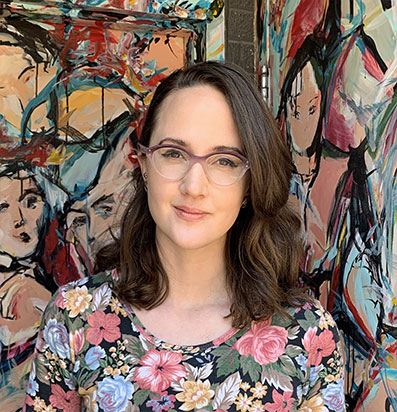
Cressida Frey
MSW, RSW (she/her) Registered Social WorkerAreas of focus:
- Children, Adolescents and Adults
- Violence, Trauma and Healing
- Stress and Anxiety

Derek Cassidy
MSW, RSW
(he/him/they/them)
Registered Social Worker
Areas of focus:
- Relationships and Attachment
- Complex, Relational Trauma
- Sexuality and Sexual Health
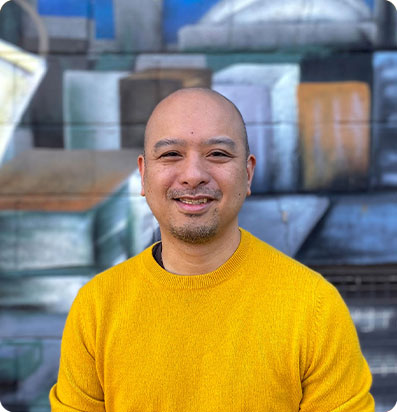
Jesmen Mendoza
C.Psych. (he/him) Adjunct PsychologistAreas of focus:
- Complex Mental Health
- Consultation

Jett Peters
MSW Candidate
(they/them)
Student Therapist
Areas of focus:
- Gender Identity
- Relationship(s) with Food & Body
- Trauma

Kathryn Bargis
MSc, RP (she/her) Registered PsychotherapistAreas of focus:
- Relationships
- Trauma
- Gender and Sexual Identity

Maxine Bower
MSW, RSW (she/her) Registered Social WorkerAreas of focus:
- Attachment in Individuals and in Relationships
- Complex Trauma
- Deepening Connections

Nicholas Sorg
MSc, RP
(he/him)
Registered Psychotherapist
Areas of focus:
- Stress, Anxiety, and Depression
- Sexual Identity Development
- Alternative Relationships, Relationship and Family Stress

Rae Griffin-Carlson
MSW, RSW
(she/her)
Registered Social Worker
Areas of focus:
- 2SLGBTQIA+ Youth & Adults
- Stress, Anxiety & Depression
- Sexual & Gender-based Violence

Rahim Thawer
MSW, RSW
(he/him)
External Clinical Supervisor
Areas of focus:
- Identity Conflict & Shame
- Dating, Relationships, Single by Chance/Choice
- Sexualized Substance Use

Saadia Khan
BA (they/them) Administrative and Social Media Assistant
Stephanie Wu
RP, Professional Art Therapist
(they/them)
Registered Psychotherapist
Areas of focus:
- Intimate Partner Violence, Sexual Assault & Childhood Abuse
- Impacts of Oppression
- 2SLGBTQIA+ Youth & Adults