
We Are a Network of Queer and Trans-identified Mental Health Professionals Who Serve the 2SLGBTQIA Community
LGBTQ mental health counseling in Black Creek Village connects queer individuals, couples, and families with registered psychotherapists and social workers who understand the specific challenges facing the 2SLGBTQIA community. Umbrella Mental Health Network provides this specialized care across Toronto and the Greater Toronto Area, grounded in trauma-informed practice, social justice values, and genuine affirmation of queer and trans experience. Black Creek Village residents seeking mental health support often face a difficult reality: mainstream therapy practices frequently lack expertise in queer-specific issues, operate from pathologizing frameworks about gender and sexuality, or simply do not understand the intersection of queer identity with trauma, discrimination, and systemic oppression. A person in Black Creek Village exploring their gender identity might encounter a therapist with outdated clinical assumptions. A queer couple navigating ethical non-monogamy could find themselves in front of a clinician who treats their relationship structure as a problem to be fixed rather than a valid framework to strengthen. Someone processing trauma rooted in family rejection or prior conversion therapy experiences needs more than generic trauma work-they need a provider who grasps how oppression and survival intersect. The isolation compounds the problem. Black Creek Village is a tight-knit residential neighbourhood; residents seeking LGBTQ-affirming care have historically had to travel significant distances or settle for providers whose competence in queer mental health is unclear. For young people exploring gender identity or individuals in crisis, that barrier can be the difference between getting help and suffering in silence. Umbrella Mental Health Network brings a different model to the table. Rather than treating queer identity as secondary to the presenting problem, their registered psychotherapists and social workers center it. Their approach rests on several core commitments: When someone in Black Creek Village reaches out to Umbrella Mental Health Network, the process begins with understanding what you need. A registered psychotherapist or social worker will conduct an initial consultation to understand your background, what brought you to therapy, and what goals matter to you. Because they specialize in queer mental health, you do not need to educate them about your identity or justify your concerns. From there, treatment is tailored. If you are processing trauma, you might work on grounding techniques, narrative work, or somatic approaches-all while your therapist holds awareness of how oppression and survival have shaped your nervous system. If you are exploring your gender identity, the work is exploratory and non-directive; the role of the therapist is to create safety for you to discover what feels true, not to push you toward any particular outcome. If you are in a queer relationship or navigating consensual non-monogamy, couples therapy can address communication, boundaries, conflict, and the specific dynamics that show up in your partnership. For youth and young adults, the focus is on building identity, processing developmental challenges, and developing resilience within a queer-affirming container. Umbrella's clinicians draw on multiple treatment modalities-psychodynamic work, cognitive-behavioural approaches, somatic therapy, and relational practice-selected based on what serves you best, not what fits a template. A person in Black Creek Village struggling with depression tied to family estrangement finds that therapy is not about "getting over it" but about grieving what was lost, building found family, and processing the complex feelings that come with surviving rejection. Over time, they develop a stronger sense of self not dependent on parental approval, and their mood stabilizes as they locate community. A young trans person working with Umbrella on identity exploration gains clarity about their gender without pressure to transition, not transition, or move quickly. They learn to trust their own knowing and develop skills to communicate their identity to people in their life. Their anxiety decreases because the internal conflict-between what they feel and what they believe is allowed-begins to resolve. A queer couple in Black Creek Village referred for couples therapy discovers that their therapist understands ethical non-monogamy as a legitimate relationship structure, not a symptom of commitment problems. They work through real conflicts-jealousy, communication, boundary-setting-from a place of shared values rather than from the assumption that their relationship model is the problem. Their connection deepens because they feel truly seen. These outcomes rest on a specific foundation: clinicians who do not view your queerness as pathology, who understand trauma through a lens of systemic oppression, and who have the skills to work with the intersections of identity, survival, and healing. Black Creek Village is home to diverse families and individuals, including LGBTQ+ residents who deserve mental health care that affirms rather than pathologizes their identity. The gap between what mainstream therapy offers and what queer people need is significant, and it has real consequences. People delay seeking help because they fear judgment. They leave therapy feeling worse than when they started because their clinician operated from outdated frameworks. They carry shame about aspects of themselves that are not shameful at all. Umbrella Mental Health Network closes that gap. By specializing in LGBTQ+ mental health and grounding their practice in anti-oppressive values, they offer what generic providers cannot: clinicians who understand your experience, who centre your values, and who have the training to work effectively with the complex intersections of queer identity, trauma, and healing. If you are in Black Creek Village or the surrounding Greater Toronto Area and you are looking for mental health support that genuinely fits your life, Umbrella Mental Health Network is worth exploring. You can reach out through their website at umhn.ca to learn more about their registered psychotherapists and social workers, book an initial consultation, or ask questions about how they might support you. There is no obligation-just an opportunity to connect with clinicians who get it. Yes. Umbrella Mental Health Network serves Toronto and the Greater Toronto Area, including Black Creek Village residents. They offer both in-person appointments at their Toronto location and virtual sessions, so you can access care flexibly regardless of where you are in the GTA. Umbrella specializes exclusively in LGBTQ+ mental health and grounds their work in trauma-informed, anti-oppressive practice rooted in feminism, social justice, and decolonization. Their clinicians center queer identity and understand the intersection of systemic oppression with mental health-they do not pathologize your sexuality, gender, or relationship structure. Umbrella provides individual psychotherapy for LGBTQ+ clients, couples therapy and ethical non-monogamy counselling, trauma and PTSD treatment, gender and sexual identity exploration, and youth and young adult counselling. Treatment is tailored to your specific needs and goals. Yes. Umbrella offers gender and sexual identity exploration as a core service. Their approach is exploratory and non-directive-they create a safe space for you to discover what feels true without pressure to move in any particular direction or timeline. Yes. Umbrella offers specialized trauma and PTSD treatment grounded in trauma-informed practice. This includes work with trauma tied to discrimination, family rejection, medical gaslighting, conversion therapy, or other experiences that have affected LGBTQ+ clients. Yes. Umbrella offers couples therapy and ethical non-monogamy counselling. Their clinicians understand consensual non-monogamy as a legitimate relationship structure and help couples work through real conflicts-communication, boundaries, jealousy-from a place of shared values. You can visit umhn.ca to learn about their registered psychotherapists and social workers, and reach out to book an initial consultation. The first step is to connect and see if their approach and availability fit what you need.Lgbtq Mental Health Counseling Black Creek Village
The Problem: Finding Culturally Safe Mental Health Support in Black Creek Village
LGBTQ Mental Health Counseling Black Creek Village: A Specialized Approach
How Treatment Works: From Initial Contact to Ongoing Support
Real Outcomes: What Changes When Therapy Is Culturally Safe
Why This Matters in Black Creek Village and Beyond
Frequently Asked Questions
Do Umbrella Mental Health Network therapists serve Black Creek Village?
What makes Umbrella's approach different from other mental health services?
What types of therapy does Umbrella offer for LGBTQ+ clients?
Is Umbrella a good fit if I am exploring my gender identity?
Can Umbrella help with trauma or PTSD?
Does Umbrella work with queer couples and non-monogamous relationships?
How do I get started with Umbrella Mental Health Network?

Acknowledgement
Tkaronto and the surrounding areas that we serve are within the Dish With One Spoon Territory. The Dish With One Spoon is a treaty between the Anishinaabe, Mississaugas and Haudenosaunee that bound them to share the territory and protect the land. Subsequent Indigenous Nations and Peoples, Europeans and all newcomers have been invited into this treaty in the spirit of peace, friendship and respect.
We at Umbrella recognize that the professions of psychology, psychotherapy, and social work have roots in colonial violence. As psychotherapists and social workers, we understand that we have a responsibility to continuously work to decolonize the practice of psychotherapy/social work and acknowledge the origins of the various healing practices we utilize.
Our therapists actively engage in regular training that emphasizes professional development, team support, and sharing the current knowledge in 2SLGBTQIA mental health, to ensure the highest level of care for our clients.
Meet Our Team

Christopher Shillington
MA, CCC, RP
(they/them)
Clinic Director/ Registered Psychotherapist
Areas of focus:
- Healthy Relationships
- Intersectional Identities
- Trauma & PTSD

Andrés Gayoso Descalzi
MSW,RSW
(he/him)
Registered Social Worker
Areas of focus:
- Gender Identity & Embodiment
- Life Changes & Transitions
- 2SLGBTQIA+ Youth & Families

Aysha Natsheh
MSW, RSW
Registered Social Worker
Areas of focus:
- Food, Body, Self-Image
- Trauma
- Gender & Sexual Identity

Bushra Ahmed
MSW, RSW
Registered Social Worker
Areas of focus:
- 2SLGBTQIA+ Youth
- Exploring Neurodivergent Identities
- Impact of Oppression & Trauma on Mental Health

Clara Doucette
MA, RP (Qualifying)
(she/her)
Registered Psychotherapist (Qualifying)
Areas of focus:
- Relational Styles & Attachment
- Friendships & Kinship
- Stress
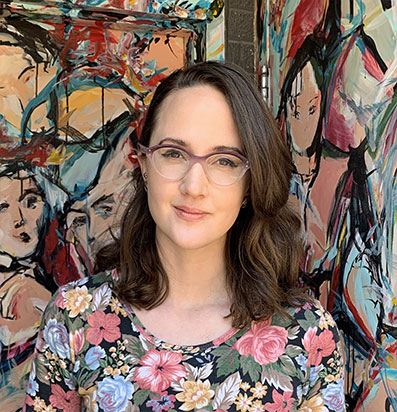
Cressida Frey
MSW, RSW (she/her) Registered Social WorkerAreas of focus:
- Children, Adolescents and Adults
- Violence, Trauma and Healing
- Stress and Anxiety

Derek Cassidy
MSW, RSW
(he/him/they/them)
Registered Social Worker
Areas of focus:
- Relationships and Attachment
- Complex, Relational Trauma
- Sexuality and Sexual Health
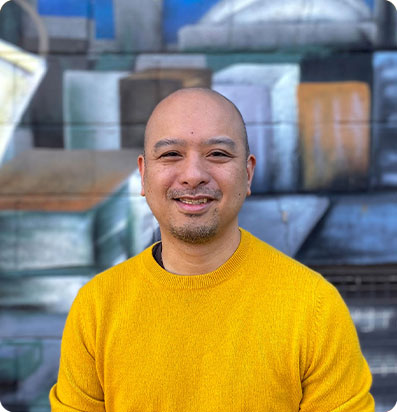
Jesmen Mendoza
C.Psych. (he/him) Adjunct PsychologistAreas of focus:
- Complex Mental Health
- Consultation

Jett Peters
MSW Candidate
(they/them)
Student Therapist
Areas of focus:
- Gender Identity
- Relationship(s) with Food & Body
- Trauma

Kathryn Bargis
MSc, RP (she/her) Registered PsychotherapistAreas of focus:
- Relationships
- Trauma
- Gender and Sexual Identity

Maxine Bower
MSW, RSW (she/her) Registered Social WorkerAreas of focus:
- Attachment in Individuals and in Relationships
- Complex Trauma
- Deepening Connections

Nicholas Sorg
MSc, RP
(he/him)
Registered Psychotherapist
Areas of focus:
- Stress, Anxiety, and Depression
- Sexual Identity Development
- Alternative Relationships, Relationship and Family Stress

Rae Griffin-Carlson
MSW, RSW
(she/her)
Registered Social Worker
Areas of focus:
- 2SLGBTQIA+ Youth & Adults
- Stress, Anxiety & Depression
- Sexual & Gender-based Violence

Rahim Thawer
MSW, RSW
(he/him)
External Clinical Supervisor
Areas of focus:
- Identity Conflict & Shame
- Dating, Relationships, Single by Chance/Choice
- Sexualized Substance Use

Saadia Khan
BA (they/them) Administrative and Social Media Assistant
Stephanie Wu
RP, Professional Art Therapist
(they/them)
Registered Psychotherapist
Areas of focus:
- Intimate Partner Violence, Sexual Assault & Childhood Abuse
- Impacts of Oppression
- 2SLGBTQIA+ Youth & Adults