
We Are a Network of Queer and Trans-identified Mental Health Professionals Who Serve the 2SLGBTQIA Community
LGBTQ mental health counseling in Binbrook connects you with registered psychotherapists and social workers trained in trauma-informed, culturally competent care specifically designed for 2SLGBTQIA individuals and families. If you live in or near Binbrook and are seeking mental health support that honors your identity, relationships, and lived experience, this guide walks you through how to find and access care that meets your needs. Binbrook is a rural community in the Hamilton area where many people commute to work in larger urban centers. Despite its smaller population, residents deserve access to specialized mental health services that understand the specific challenges facing LGBTQ+ people. The isolation that sometimes accompanies living outside major cities, combined with the universal need for affirming mental health care, makes finding the right therapist essential. Umbrella Mental Health Network serves Binbrook residents through virtual and in-person appointments, ensuring geography does not become a barrier to quality care. Before reaching out, clarify what brings you to seek support. Are you working through past trauma? Exploring your gender identity or sexual orientation? Navigating a relationship transition, including ethical non-monogamy (ENM) dynamics? Dealing with anxiety, depression, or both? Supporting a young person in your family? Understanding your specific needs helps you describe your situation clearly to a therapist and ensures a good match. Umbrella Mental Health Network works with clients across all these areas. Their registered psychotherapists have expertise in trauma recovery using evidence-based approaches, couples and relationship therapy including ENM counseling, gender and sexual identity exploration grounded in affirmation rather than conversion, and youth and young adult counseling. Having a sense of your primary concern lets you enter the conversation with clarity, which typically leads to faster and more effective therapeutic work. Contact Umbrella Mental Health Network through their website at http://www.umhn.ca to begin the intake process. Most counseling practices, including this one, offer an initial consultation where you can describe what brought you in, ask questions about their approach and the therapist's background, and assess whether the fit feels right. Because therapy relies on trust and genuine connection, it is appropriate to be selective. When you reach out, mention that you are in Binbrook or the surrounding area. Umbrella serves the Greater Toronto Area and beyond, and their clinicians can determine whether they offer services to your location and whether virtual or in-person sessions suit your situation best. If you are a young person or a parent seeking support for your child, note that when you inquire. The practice offers youth and young adult counseling, and clarity about your age and circumstances helps the intake coordinator direct you to the right clinician. Have on hand basic information about your insurance coverage if you have it, since this may affect cost and paperwork, though Umbrella can discuss options during your first contact. Before your first appointment, write down three or four things you want to address. This need not be polished or perfectly articulated; rough notes work fine. Therapy is more effective when you and your therapist share a sense of direction, even if that direction shifts as you begin the work. For example, you might write: "I want to feel less anxious in social settings," "I am questioning my gender and need space to explore without pressure," or "My partner and I are considering opening our relationship and we need help navigating that conversation." During your first session, your therapist will spend time learning about your background, current situation, and what prompted you to seek support now. They will ask about your mental health history, any previous therapy, significant life events, and your support system. This is also when you will learn about their approach: Umbrella's clinicians practice trauma-informed, anti-oppressive care grounded in feminism, social justice, and decolonization. This means they understand how systemic oppression, discrimination, and historical trauma affect LGBTQ+ people specifically, and they actively work against recreating those dynamics in therapy. They are also sex and kink-positive, meaning they approach sexuality and alternative relationship structures without judgment or pathologization. If any of these values matter to you, raising them now confirms alignment. Establishing clear goals in your first or second session means you and your therapist can track progress over time. Mental health work is not vague or open-ended; it moves toward concrete changes in how you feel, think, and behave. Whether your goal is processing trauma, developing coping skills, clarifying your identity, improving communication with a partner, or supporting a young person through a difficult transition, naming it makes the work tangible. Taking these steps positions you to receive mental health counseling that is genuinely designed for LGBTQ+ people in Binbrook and beyond. The difference between generic counseling and specialized, affirming care is substantial. When your therapist understands your lived experience and brings political consciousness alongside clinical skill, therapy becomes both healing and empowering. If you are ready to take the next step, reach out to Umbrella Mental Health Network. They welcome inquiries from Binbrook residents and are equipped to discuss whether their services align with what you are seeking. Your mental health matters, and you deserve support that honors all of who you are. Yes, Umbrella Mental Health Network serves Binbrook residents through both virtual and in-person appointments. Contact them through http://www.umhn.ca to confirm availability for your location and discuss whether video sessions or visits to their office work best for you. Umbrella provides individual psychotherapy, couples and ENM counseling, trauma and PTSD treatment, gender and sexual identity exploration, and youth and young adult counseling. All services are trauma-informed, anti-oppressive, and grounded in social justice values. During your initial consultation, describe what brings you to therapy and ask about the clinician's experience with your specific concerns. Umbrella's registered psychotherapists and social workers practice affirming, culturally competent care, but personal connection matters too. It is reasonable to ask questions and assess whether the fit feels right. Umbrella can discuss insurance coverage and payment options during your first contact. Have your insurance information available when you reach out so they can explain what may be covered and answer questions about cost. Trauma-informed therapy recognizes how past harm affects current functioning and builds safety and choice into the healing process. Anti-oppressive practice actively works against recreating systemic discrimination in therapy and understands how oppression, discrimination, and historical trauma specifically affect LGBTQ+ people and other marginalized communities. Yes, Umbrella offers youth and young adult counseling as well as couples and family-focused services. If you are seeking support for a young person or family members, mention that when you contact them, and they will direct you to appropriate clinicians with relevant experience.Lgbtq Mental Health Counseling Binbrook
Step 1: Identify What You Need From Counseling
Step 2: Reach Out to Umbrella Mental Health Network
Step 3: Prepare for Your First Session and Establish Therapeutic Goals
Frequently Asked Questions
Does Umbrella Mental Health Network offer LGBTQ mental health counseling in Binbrook?
What types of therapy does Umbrella offer for LGBTQ+ clients?
How do I know if a therapist at Umbrella is a good fit for me?
Is therapy with Umbrella Mental Health Network covered by insurance?
What does "trauma-informed" and "anti-oppressive" mean in therapy?
Does Umbrella Mental Health Network counsel young people and families?

Acknowledgement
Tkaronto and the surrounding areas that we serve are within the Dish With One Spoon Territory. The Dish With One Spoon is a treaty between the Anishinaabe, Mississaugas and Haudenosaunee that bound them to share the territory and protect the land. Subsequent Indigenous Nations and Peoples, Europeans and all newcomers have been invited into this treaty in the spirit of peace, friendship and respect.
We at Umbrella recognize that the professions of psychology, psychotherapy, and social work have roots in colonial violence. As psychotherapists and social workers, we understand that we have a responsibility to continuously work to decolonize the practice of psychotherapy/social work and acknowledge the origins of the various healing practices we utilize.
Our therapists actively engage in regular training that emphasizes professional development, team support, and sharing the current knowledge in 2SLGBTQIA mental health, to ensure the highest level of care for our clients.
Meet Our Team

Christopher Shillington
MA, CCC, RP
(they/them)
Clinic Director/ Registered Psychotherapist
Areas of focus:
- Healthy Relationships
- Intersectional Identities
- Trauma & PTSD

Andrés Gayoso Descalzi
MSW,RSW
(he/him)
Registered Social Worker
Areas of focus:
- Gender Identity & Embodiment
- Life Changes & Transitions
- 2SLGBTQIA+ Youth & Families

Aysha Natsheh
MSW, RSW
Registered Social Worker
Areas of focus:
- Food, Body, Self-Image
- Trauma
- Gender & Sexual Identity

Bushra Ahmed
MSW, RSW
Registered Social Worker
Areas of focus:
- 2SLGBTQIA+ Youth
- Exploring Neurodivergent Identities
- Impact of Oppression & Trauma on Mental Health

Clara Doucette
MA, RP (Qualifying)
(she/her)
Registered Psychotherapist (Qualifying)
Areas of focus:
- Relational Styles & Attachment
- Friendships & Kinship
- Stress
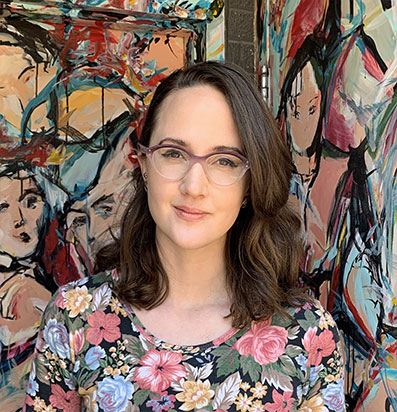
Cressida Frey
MSW, RSW (she/her) Registered Social WorkerAreas of focus:
- Children, Adolescents and Adults
- Violence, Trauma and Healing
- Stress and Anxiety

Derek Cassidy
MSW, RSW
(he/him/they/them)
Registered Social Worker
Areas of focus:
- Relationships and Attachment
- Complex, Relational Trauma
- Sexuality and Sexual Health
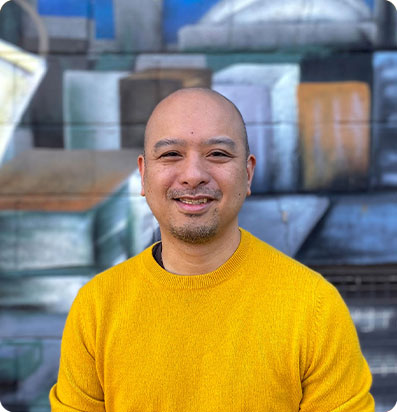
Jesmen Mendoza
C.Psych. (he/him) Adjunct PsychologistAreas of focus:
- Complex Mental Health
- Consultation

Jett Peters
MSW Candidate
(they/them)
Student Therapist
Areas of focus:
- Gender Identity
- Relationship(s) with Food & Body
- Trauma

Kathryn Bargis
MSc, RP (she/her) Registered PsychotherapistAreas of focus:
- Relationships
- Trauma
- Gender and Sexual Identity

Maxine Bower
MSW, RSW (she/her) Registered Social WorkerAreas of focus:
- Attachment in Individuals and in Relationships
- Complex Trauma
- Deepening Connections

Nicholas Sorg
MSc, RP
(he/him)
Registered Psychotherapist
Areas of focus:
- Stress, Anxiety, and Depression
- Sexual Identity Development
- Alternative Relationships, Relationship and Family Stress

Rae Griffin-Carlson
MSW, RSW
(she/her)
Registered Social Worker
Areas of focus:
- 2SLGBTQIA+ Youth & Adults
- Stress, Anxiety & Depression
- Sexual & Gender-based Violence

Rahim Thawer
MSW, RSW
(he/him)
External Clinical Supervisor
Areas of focus:
- Identity Conflict & Shame
- Dating, Relationships, Single by Chance/Choice
- Sexualized Substance Use

Saadia Khan
BA (they/them) Administrative and Social Media Assistant
Stephanie Wu
RP, Professional Art Therapist
(they/them)
Registered Psychotherapist
Areas of focus:
- Intimate Partner Violence, Sexual Assault & Childhood Abuse
- Impacts of Oppression
- 2SLGBTQIA+ Youth & Adults