
We Are a Network of Queer and Trans-identified Mental Health Professionals Who Serve the 2SLGBTQIA Community
LGBTQ Mental Health Counseling Beeton connects 2SLGBTQIA individuals and couples in this small Ontario community with specialized, affirming mental health support grounded in social justice and trauma-informed care. Beeton is a rural village in Simcoe County where many people live far from major urban centers, and where finding a therapist who truly understands 2SLGBTQIA experiences can feel impossible. The isolation that rural life can bring, combined with the particular stressors of navigating identity, relationships, and healing in a less visible community, creates a real and pressing need for accessible mental health care. Umbrella Mental Health Network serves Beeton residents through secure telehealth counseling, making it possible to receive culturally competent therapy from a skilled, affirming provider without the barrier of distance. Culturally affirming therapy means your therapist understands the specific, lived realities of being queer, trans, non-binary, or otherwise outside the heteronormative and cisnormative mainstream. It is not just tolerance; it is active, knowledgeable support rooted in the understanding that marginalization itself creates mental health challenges that straight, cisgender therapists often cannot adequately address. The Umbrella Mental Health Network team brings expertise in trauma-informed, anti-oppressive mental health care. This means they recognize how systems of oppression, discrimination, and social exclusion affect your psychological wellbeing. Because you may have experienced rejection, discrimination, or unsupportive environments, your therapist works with the understanding that your anxiety, depression, or other struggles are often rational responses to real harm, not individual defects. For residents of Beeton seeking this care, the difference is profound. Rather than educating a well-meaning therapist about what it means to be queer or trans, or worrying that your identity will be pathologized or judged, you can work with someone who already holds affirming, justice-centered values. This creates psychological safety that is essential for healing. Umbrella Mental Health Network provides several interconnected services tailored to the needs of LGBTQ individuals and families: Individual psychotherapy addresses anxiety, depression, identity exploration, and the particular mental health impacts of discrimination and marginalization. Many 2SLGBTQIA people carry invisible burdens related to coming out, navigating family rejection, medical trauma, or internalized oppression. Individual therapy creates space to process these experiences and build resilience. Trauma and PTSD treatment uses evidence-based approaches to help survivors of abuse, violence, medical trauma, or other traumatic events. LGBTQ individuals experience disproportionately high rates of trauma, including interpersonal violence, sexual assault, and healthcare discrimination. specialized trauma therapy recognizes these patterns and helps you move toward healing without retraumatization. Gender and sexual identity exploration supports people at any stage of understanding themselves. Whether you are questioning your gender identity, exploring your sexual orientation, or seeking to deepen your understanding of your authentic self, a skilled therapist helps you move at your own pace without pressure or predetermined outcomes. Couples therapy and ENM counselling (ENM stands for Ethical Non-Monogamy) recognizes that queer relationships take many forms. Whether you are in a monogamous partnership, exploring open relationships, practicing polyamory, or navigating any other relationship structure, this service supports healthy communication and connection. Because many queer couples have been historically excluded from or harmed by mainstream relationship counseling, having a therapist versed in queer relationship dynamics and alternative structures is invaluable. Youth and young adult counselling addresses the particular needs of those under 25 who are exploring identity, navigating coming out, managing school stress, or working through family conflict around their identity. Youth benefit enormously from early access to affirming mental health support. Rural communities like Beeton face real barriers to mental health access. Specialized providers are concentrated in cities; travel time is considerable; and privacy concerns may feel heightened in small towns where anonymity is limited. Telehealth eliminates geography as a reason to forgo care you need. Umbrella Mental Health Network delivers therapy via secure video sessions, meaning you can connect from your home in Beeton to a registered psychotherapist or social worker with deep expertise in LGBTQ mental health. The clinical relationship is no different; what changes is the medium. For many people, telehealth actually increases comfort, since therapy happens in a familiar, safe space. This accessibility matters especially for people in smaller Ontario communities. The nearest urban center may be a significant drive, childcare or work may make travel difficult, or you may simply prefer not to be seen entering a therapist's office in your hometown. Telehealth respects these realities while ensuring that Beeton residents can access the same quality of specialized care as people in Toronto or other larger communities. Umbrella Mental Health Network explicitly centers feminism, social justice, decolonization, and sex/kink-positivity in their clinical approach. These are not slogans; they are commitments that shape how therapy actually unfolds. Feminism means understanding how gender-based oppression shapes your life and recognizing the political dimensions of personal struggle. A feminist therapist helps you see that many problems labeled "individual" are actually structural. Social justice orientation means the therapist understands racism, ableism, classism, and other systems of oppression, and how these intersect with LGBTQ identity. If you are a person of color, disabled, working-class, or otherwise multiply marginalized, your therapist knows this context and does not ask you to minimize its impact. Decolonization acknowledges that Two-Spirit and Indigenous LGBTQ people have a specific history and knowledge that Western psychology alone cannot honor. This commitment means centering Indigenous ways of understanding identity and healing where relevant. Sex and kink positivity means your therapist does not pathologize consensual sexuality, alternative sexual practices, or sexual exploration. For queer people whose sexuality has often been blamed or shamed, working with a sex-positive therapist is liberating. These values are not ornamental; they directly affect the safety and relevance of your care. If you are living in Beeton and seeking mental health support that actually sees and affirms who you are, reaching out to Umbrella Mental Health Network is a straightforward step. The team includes registered psychotherapists and social workers trained in the specific needs of 2SLGBTQIA clients, with expertise across trauma, identity, relationships, and the unique stressors of LGBTQ life. You do not need to wait until things feel unbearable, and you do not need to travel hours to access care. Whether you are navigating identity questions, processing trauma, working through relationship challenges, or simply seeking a mental health provider who will not require you to defend who you are, this service exists for you. Consider reaching out to learn more about how therapy might support your wellbeing. The team is here to answer questions and help you determine whether this is the right fit for your needs. LGBTQ mental health counseling is therapy provided by clinicians with specific training and lived understanding of queer and trans identities, mental health impacts of marginalization, and culturally affirming approaches. Unlike general therapy, it actively centers your identity as valid and seeks to address the real harms of discrimination and social exclusion that shape your psychological wellbeing. Yes. Umbrella Mental Health Network provides telehealth counseling to residents of Beeton and across the Greater Toronto Area, including rural communities. You can access therapy via secure video sessions from your home in Beeton, eliminating the need to travel to urban centers for specialized LGBTQ-affirming mental health care. Your first session is typically an opportunity to meet your therapist, share what brought you in, and discuss what you hope to get from therapy. The therapist will explain their approach, discuss confidentiality, and ask questions to understand your situation. This session helps you both determine if this is a good fit and begin building trust. Yes, absolutely. Umbrella Mental Health Network is explicitly committed to affirming care for trans and non-binary individuals, meaning the therapist supports your authentic identity and does not view your gender identity as something to be questioned or changed. Gender exploration happens at your pace, with your goals driving the work. Umbrella Mental Health Network specifically offers couples therapy and ENM counselling, meaning your therapist understands alternative relationship structures, can support healthy communication in open or polyamorous relationships, and will not judge you for the consensual choices you make. Trauma-informed therapy recognizes that you may have learned not to trust, may feel unsafe, and may need extra care to feel in control of the process. Your therapist explains what they are doing, respects your boundaries, and never pushes you faster than feels safe. This approach acknowledges that healing happens through safety and choice. You can reach out to Umbrella Mental Health Network through their website at umhn.ca to learn more about their services and get in touch with the team. They will be happy to answer questions about their approach, availability, and how they might support your specific needs.Lgbtq Mental Health Counseling Beeton
What Makes Culturally Affirming LGBTQ mental health support Different
Key Areas of Specialized Support Available to Beeton Residents
Why Distance Is No Longer a Barrier in Beeton
Core Values That Shape This Work
Getting Started With Support in Beeton
Frequently Asked Questions
What is LGBTQ mental health counseling in Beeton, and how is it different from regular therapy?
Does Umbrella Mental Health Network serve clients in Beeton specifically?
What should I expect in my first therapy session?
I am transgender and worried a therapist will try to change my mind. Does Umbrella offer affirming care?
What if I am in a non-monogamous or ethically non-monogamous relationship?
I experienced trauma and am not sure if I can trust therapy. How does trauma-informed care work?
How do I take the first step and contact Umbrella Mental Health Network?

Acknowledgement
Tkaronto and the surrounding areas that we serve are within the Dish With One Spoon Territory. The Dish With One Spoon is a treaty between the Anishinaabe, Mississaugas and Haudenosaunee that bound them to share the territory and protect the land. Subsequent Indigenous Nations and Peoples, Europeans and all newcomers have been invited into this treaty in the spirit of peace, friendship and respect.
We at Umbrella recognize that the professions of psychology, psychotherapy, and social work have roots in colonial violence. As psychotherapists and social workers, we understand that we have a responsibility to continuously work to decolonize the practice of psychotherapy/social work and acknowledge the origins of the various healing practices we utilize.
Our therapists actively engage in regular training that emphasizes professional development, team support, and sharing the current knowledge in 2SLGBTQIA mental health, to ensure the highest level of care for our clients.
Meet Our Team

Christopher Shillington
MA, CCC, RP
(they/them)
Clinic Director/ Registered Psychotherapist
Areas of focus:
- Healthy Relationships
- Intersectional Identities
- Trauma & PTSD

Andrés Gayoso Descalzi
MSW,RSW
(he/him)
Registered Social Worker
Areas of focus:
- Gender Identity & Embodiment
- Life Changes & Transitions
- 2SLGBTQIA+ Youth & Families

Aysha Natsheh
MSW, RSW
Registered Social Worker
Areas of focus:
- Food, Body, Self-Image
- Trauma
- Gender & Sexual Identity

Bushra Ahmed
MSW, RSW
Registered Social Worker
Areas of focus:
- 2SLGBTQIA+ Youth
- Exploring Neurodivergent Identities
- Impact of Oppression & Trauma on Mental Health

Clara Doucette
MA, RP (Qualifying)
(she/her)
Registered Psychotherapist (Qualifying)
Areas of focus:
- Relational Styles & Attachment
- Friendships & Kinship
- Stress
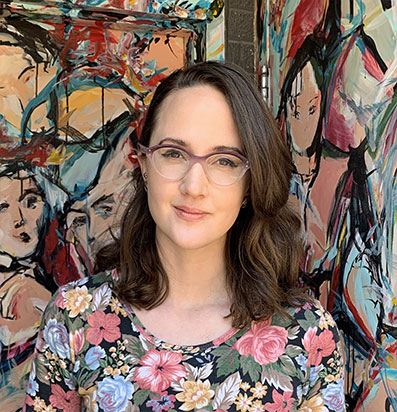
Cressida Frey
MSW, RSW (she/her) Registered Social WorkerAreas of focus:
- Children, Adolescents and Adults
- Violence, Trauma and Healing
- Stress and Anxiety

Derek Cassidy
MSW, RSW
(he/him/they/them)
Registered Social Worker
Areas of focus:
- Relationships and Attachment
- Complex, Relational Trauma
- Sexuality and Sexual Health
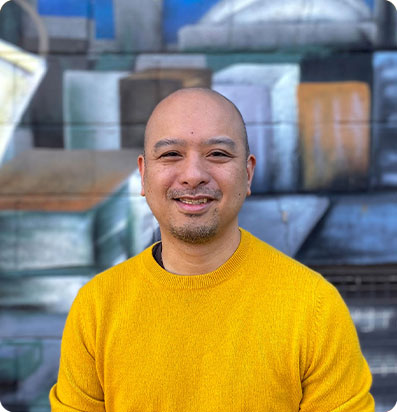
Jesmen Mendoza
C.Psych. (he/him) Adjunct PsychologistAreas of focus:
- Complex Mental Health
- Consultation

Jett Peters
MSW Candidate
(they/them)
Student Therapist
Areas of focus:
- Gender Identity
- Relationship(s) with Food & Body
- Trauma

Kathryn Bargis
MSc, RP (she/her) Registered PsychotherapistAreas of focus:
- Relationships
- Trauma
- Gender and Sexual Identity

Maxine Bower
MSW, RSW (she/her) Registered Social WorkerAreas of focus:
- Attachment in Individuals and in Relationships
- Complex Trauma
- Deepening Connections

Nicholas Sorg
MSc, RP
(he/him)
Registered Psychotherapist
Areas of focus:
- Stress, Anxiety, and Depression
- Sexual Identity Development
- Alternative Relationships, Relationship and Family Stress

Rae Griffin-Carlson
MSW, RSW
(she/her)
Registered Social Worker
Areas of focus:
- 2SLGBTQIA+ Youth & Adults
- Stress, Anxiety & Depression
- Sexual & Gender-based Violence

Rahim Thawer
MSW, RSW
(he/him)
External Clinical Supervisor
Areas of focus:
- Identity Conflict & Shame
- Dating, Relationships, Single by Chance/Choice
- Sexualized Substance Use

Saadia Khan
BA (they/them) Administrative and Social Media Assistant
Stephanie Wu
RP, Professional Art Therapist
(they/them)
Registered Psychotherapist
Areas of focus:
- Intimate Partner Violence, Sexual Assault & Childhood Abuse
- Impacts of Oppression
- 2SLGBTQIA+ Youth & Adults