
We Are a Network of Queer and Trans-identified Mental Health Professionals Who Serve the 2SLGBTQIA Community
Finding LGBTQ mental health counseling in Beamsville means locating a therapist who understands not just mental health, but the specific lived experience of being queer, trans, or non-binary in a smaller Ontario community. You might be sitting in your Beamsville home right now, scrolling through therapist profiles, wondering if anyone will actually get it-or worse, worried that you'll have to drive into the city for care that feels safe. Umbrella Mental Health Network brings trauma-informed, affirming counseling directly to Beamsville and the surrounding region, with registered psychotherapists and social workers trained in gender-affirming care, queer family dynamics, and the particular pressures of living authentically in a smaller town. This guide walks you through how to access this care, from recognizing what you need to building a therapeutic relationship that honors who you are. Before reaching out, get clear on what is happening in your life right now. Are you processing trauma-maybe religious harm, conversion therapy, or family rejection tied to your identity? Are you exploring your gender or sexuality and feeling lost or dysphoric? Are you in a relationship (romantic, platonic, or something else entirely) that needs attention? Are you managing anxiety or depression that feels tangled up with your queerness, or separate from it? Living in Beamsville, you may also feel isolated or hypervisible in ways that affect your mental health-that matters too. Write down two or three things that brought you here. You do not need to have it all figured out. Umbrella's therapists work with people at every stage of self-understanding, including those who are still questioning or who have lived many different identities over time. The point is to notice what is most pressing right now, so you can communicate it clearly when you make contact. Umbrella Mental Health Network offers several pathways into care, depending on your situation: If you are unsure which service fits, that is okay-reach out and describe what is going on. The team can help you figure out the best fit. Because Umbrella centers anti-oppressive, feminist, and sex-positive values, you will not encounter gatekeeping or the idea that your identity needs to be "proven" or that your relationships or desires need to fit a particular mold. The therapy is grounded in social justice, which means the therapist understands systems of oppression and how they shape individual mental health. Contact Umbrella through their website at umhn.ca. When you get in touch, share what brought you in-whether you are in Beamsville itself or another part of the Greater Toronto Area. The team serves clients across the region and can tell you about availability and how they work. In this first conversation, you are not committing to anything. You are gathering information: Do they have availability? Do you feel heard and respected? Can you sense whether this is a place where you can be yourself? Trust your gut. Therapy is relational work, and fit matters. If the first contact does not feel right, it is okay to keep looking-though Umbrella's commitment to being radically affirming and trauma-informed makes them a strong choice for most 2SLGBTQIA individuals in Beamsville and the GTA. Once you have scheduled, take a moment to think about what you want your therapist to know. You do not need a neat life story-just a sense of where you are. What is your identity? How long have you known or been out? What does your support system look like? Have you experienced trauma or discrimination? Are there specific goals you have for therapy-maybe understanding yourself better, healing from something painful, or building skills to handle a particular situation? Bring whatever paperwork they ask for, but more importantly, bring honesty. Therapists at Umbrella are trained to work with complexity: people who are still figuring things out, people managing multiple identities, people with messy histories. You do not have to be "ready" or fully formed. The work happens in the room, together. Therapy is not a quick fix. It is a relationship where you gradually learn to understand yourself more deeply and build new ways of being in the world. In your first few sessions, notice: Do you feel safe? Does the therapist ask curious questions rather than make assumptions? Do they acknowledge the real impact of living as a queer or trans person in Beamsville, without making it the whole story of who you are? Do they honor your expertise about your own life? If something does not feel right-the approach, the pace, the dynamic-say so. Good therapists welcome feedback. If after a few sessions you know this is not the right fit, that information is useful too. But give it time. Healing from trauma, exploring identity, and changing patterns of thinking and feeling all happen gradually. The consistent presence of someone who gets you and believes in your right to thrive is where the transformation begins. If you are ready to find affirming, skilled mental health care rooted in social justice values, reach out to Umbrella Mental Health Network. You deserve a therapist who sees all of you-your identity, your history, your dreams-and meets you there. Yes. Umbrella Mental Health Network serves Beamsville and the Greater Toronto Area with registered psychotherapists and social workers specializing in LGBTQ+ care. They offer individual therapy, couples counseling, trauma treatment, and gender identity exploration, all grounded in affirming, anti-oppressive practice. Umbrella centers trauma-informed, anti-oppressive care informed by feminism, social justice, decolonization, and sex/kink-positivity. Therapists understand the specific mental health impacts of living as a 2SLGBTQIA person and do not pathologize identity, alternative relationships, or sexual diversity. Yes. Umbrella provides couples therapy and ethical non-monogamy (ENM) counselling for queer and LGBTQ+ partners, including those exploring alternative relationship structures. The approach is non-judgmental and grounded in relationship skills and communication. Absolutely. Gender and sexual identity exploration is one of Umbrella's core services. They work with people at any stage of questioning, coming out, or living out their identity, without requiring you to have it all figured out first. Contact Umbrella Mental Health Network through umhn.ca to learn about their trauma and PTSD treatment services. They have expertise working with identity-based trauma, conversion therapy harm, and other experiences specific to LGBTQ+ individuals in the region.Lgbtq Mental Health Counseling Beamsville
Step 1: Identify What Kind of Support You Need
Step 2: Understand the Services Available to You
Step 3: Reach Out to Umbrella Mental Health Network
Step 4: Prepare for Your First Session
Step 5: Show Up and Build the Relationship Over Time
Frequently Asked Questions
Is there LGBTQ mental health counseling available in Beamsville?
What makes Umbrella's approach different from general therapy?
Do they offer couples therapy for same-sex and queer couples?
Can I access counseling if I am still exploring my gender or sexual identity?
How do I find a therapist in Beamsville who specializes in trauma?

Acknowledgement
Tkaronto and the surrounding areas that we serve are within the Dish With One Spoon Territory. The Dish With One Spoon is a treaty between the Anishinaabe, Mississaugas and Haudenosaunee that bound them to share the territory and protect the land. Subsequent Indigenous Nations and Peoples, Europeans and all newcomers have been invited into this treaty in the spirit of peace, friendship and respect.
We at Umbrella recognize that the professions of psychology, psychotherapy, and social work have roots in colonial violence. As psychotherapists and social workers, we understand that we have a responsibility to continuously work to decolonize the practice of psychotherapy/social work and acknowledge the origins of the various healing practices we utilize.
Our therapists actively engage in regular training that emphasizes professional development, team support, and sharing the current knowledge in 2SLGBTQIA mental health, to ensure the highest level of care for our clients.
Meet Our Team

Christopher Shillington
MA, CCC, RP
(they/them)
Clinic Director/ Registered Psychotherapist
Areas of focus:
- Healthy Relationships
- Intersectional Identities
- Trauma & PTSD

Andrés Gayoso Descalzi
MSW,RSW
(he/him)
Registered Social Worker
Areas of focus:
- Gender Identity & Embodiment
- Life Changes & Transitions
- 2SLGBTQIA+ Youth & Families

Aysha Natsheh
MSW, RSW
Registered Social Worker
Areas of focus:
- Food, Body, Self-Image
- Trauma
- Gender & Sexual Identity

Bushra Ahmed
MSW, RSW
Registered Social Worker
Areas of focus:
- 2SLGBTQIA+ Youth
- Exploring Neurodivergent Identities
- Impact of Oppression & Trauma on Mental Health

Clara Doucette
MA, RP (Qualifying)
(she/her)
Registered Psychotherapist (Qualifying)
Areas of focus:
- Relational Styles & Attachment
- Friendships & Kinship
- Stress
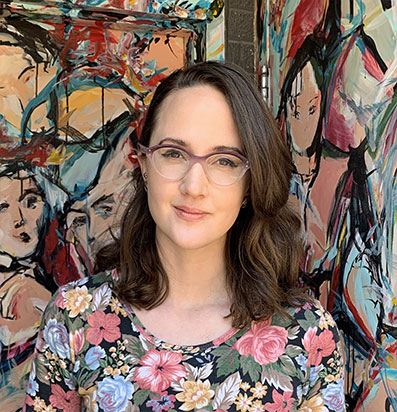
Cressida Frey
MSW, RSW (she/her) Registered Social WorkerAreas of focus:
- Children, Adolescents and Adults
- Violence, Trauma and Healing
- Stress and Anxiety

Derek Cassidy
MSW, RSW
(he/him/they/them)
Registered Social Worker
Areas of focus:
- Relationships and Attachment
- Complex, Relational Trauma
- Sexuality and Sexual Health
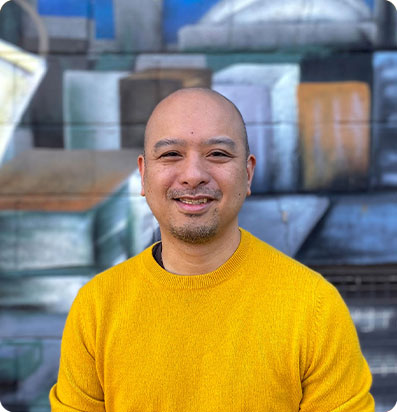
Jesmen Mendoza
C.Psych. (he/him) Adjunct PsychologistAreas of focus:
- Complex Mental Health
- Consultation

Jett Peters
MSW Candidate
(they/them)
Student Therapist
Areas of focus:
- Gender Identity
- Relationship(s) with Food & Body
- Trauma

Kathryn Bargis
MSc, RP (she/her) Registered PsychotherapistAreas of focus:
- Relationships
- Trauma
- Gender and Sexual Identity

Maxine Bower
MSW, RSW (she/her) Registered Social WorkerAreas of focus:
- Attachment in Individuals and in Relationships
- Complex Trauma
- Deepening Connections

Nicholas Sorg
MSc, RP
(he/him)
Registered Psychotherapist
Areas of focus:
- Stress, Anxiety, and Depression
- Sexual Identity Development
- Alternative Relationships, Relationship and Family Stress

Rae Griffin-Carlson
MSW, RSW
(she/her)
Registered Social Worker
Areas of focus:
- 2SLGBTQIA+ Youth & Adults
- Stress, Anxiety & Depression
- Sexual & Gender-based Violence

Rahim Thawer
MSW, RSW
(he/him)
External Clinical Supervisor
Areas of focus:
- Identity Conflict & Shame
- Dating, Relationships, Single by Chance/Choice
- Sexualized Substance Use

Saadia Khan
BA (they/them) Administrative and Social Media Assistant
Stephanie Wu
RP, Professional Art Therapist
(they/them)
Registered Psychotherapist
Areas of focus:
- Intimate Partner Violence, Sexual Assault & Childhood Abuse
- Impacts of Oppression
- 2SLGBTQIA+ Youth & Adults