
We Are a Network of Queer and Trans-identified Mental Health Professionals Who Serve the 2SLGBTQIA Community
LGBTQ Mental Health Counseling Beachville connects queer, trans, and 2SLGBTQIA individuals with specialized psychotherapists and social workers who understand the intersection of identity, trauma, and systemic oppression in ways that generic mental health providers typically do not. Beachville is a small, historically working-class community in Oxford County with a growing population seeking mental health services that actually reflect their lives and values. Many residents commute to larger centers for work and services, yet find it difficult to locate affirming, trauma-informed care that serves the rural and semi-rural LGBTQ+ community. Umbrella Mental Health Network extends its specialized practice to serve individuals and families across the Greater Toronto Area, including Beachville, recognizing that access to culturally competent mental health care should not depend on living in a major urban center. This guide explains what culturally safe LGBTQ+ mental health counseling looks like in practice, the specific therapeutic approaches that make it different from standard mental health services, and how to access this care in or near Beachville. Trauma-informed mental health practice begins from the premise that many LGBTQ+ individuals carry wounds rooted in systemic discrimination, family rejection, conversion efforts, medical trauma, or violence. A therapist trained in trauma-informed care does not treat these as individual psychological failings but as rational, adaptive responses to real oppression. This reframes the work entirely. Umbrella Mental Health Network structures its practice around four core methodologies that distinguish it from general counseling: Because Beachville residents may have limited local options, accessing this caliber of care often means working with a practitioner based in Toronto or the broader GTA via telehealth-a format that Umbrella offers with the same clinical rigor as in-person sessions. Umbrella's individual psychotherapy addresses the presenting concerns that bring LGBTQ+ people to therapy: depression, anxiety, relational conflict, and identity questions-but always in context. For transgender and non-binary individuals in Beachville, gender identity exploration therapy involves working through questions of social transition, medical decision-making, or simply understanding one's authentic gender expression in a world that demands conformity. This is not conversion-oriented or pathologizing work. Instead, a skilled practitioner helps you clarify what feels true for you, process grief and loss alongside affirmation, and build resilience as you navigate a society that may not yet understand or accept your identity. Many trans individuals benefit from therapy before, during, and after medical transition-or without pursuing medical care at all-because the psychological and social dimensions of gender are as significant as the physical ones. For gay, lesbian, bisexual, asexual, and aromantic individuals, individual therapy often addresses internalized homophobia and biphobia, which operate as learned beliefs that queerness is wrong, shameful, or incomplete. These internalized messages come from family, religion, media, and society; they are not intrinsic. A therapist trained in LGBTQ+-specific care recognizes these patterns and helps you untangle them. Umbrella's practitioners use evidence-based modalities including trauma-focused cognitive behavioural therapy (TF-CBT) for PTSD and complex trauma, somatic approaches that work with the body's memory of harm, and attachment-informed therapy that addresses relational wounds and builds secure connection. Queer relationships often diverge from conventional heterosexual couple models in structure, communication patterns, and values. Some couples practice ethical non-monogamy (ENM), polyamory, or open relationships; others navigate gender transition within long-term partnerships; still others manage the specific stresses of same-sex or transgender couple dynamics in a world that does not legally or socially recognize them equally. Standard couples therapy frequently assumes a heterosexual, monogamous, cisgender couple model and can inadvertently pathologize queer relationship choices or fail to recognize the real external pressures (legal barriers, family non-acceptance, healthcare discrimination) that strain partnerships. Umbrella's couples therapy and ENM counseling centers the couple's own values and agreements. For partners practicing ethical non-monogamy, a sex-positive therapist helps navigate communication, jealousy, boundary-setting, and the integration of multiple relationships without judgment. For transgender couples, therapy may address the relational shifts that occur when one or both partners transition, questions of sexual intimacy during medical changes, and how to renegotiate identity and roles together. Couples based in Beachville can access this specialized care through a combination of telehealth and occasional in-person sessions, depending on what works for the relationship. LGBTQ+ individuals experience trauma at elevated rates due to violence, discrimination, and systemic marginalization. The National Coalition of Anti-Violence Programs documents thousands of hate crimes and intimate partner violence incidents involving LGBTQ+ survivors annually. Beyond overt violence, many queer and trans people carry complex trauma from childhood rejection, bullying, medical abuse, or religious conversion therapy. Umbrella's trauma and PTSD treatment uses trauma-focused approaches while maintaining an explicitly anti-oppressive lens. This means a therapist does not treat your trauma as something that happened in isolation but understands how systemic oppression made you vulnerable and continues to affect your recovery. For example, a trans person recovering from violence may simultaneously be processing fear of further violence in a transphobic society-both realities are held in therapy. The therapeutic process typically involves three phases: establishing safety and stabilization, processing the traumatic memory using evidence-based techniques such as prolonged exposure or cognitive processing therapy, and integration and meaning-making. Because trauma lives in the nervous system, somatic methods (body-based work, grounding, pendulation) are often woven throughout. For residents of Beachville seeking trauma-informed care, Umbrella provides continuity of treatment whether you attend sessions locally or via telehealth from home. Young people in Beachville and surrounding areas navigating gender identity or sexual orientation questions often face particular isolation. Rural and semi-rural communities may lack visible LGBTQ+ community, affirming school climates, or local practitioners trained to support youth authentically. At the same time, internet access means many young people have found online community and language to name their identity-yet lack professional support to process the real-world implications in their specific context. Umbrella's youth and young adult counseling honors the legitimacy of LGBTQ+ identity while working developmentally and practically. A therapist helps a young person understand their identity, navigate family conversations (when safe to do so), manage school or workplace dynamics, and build resilience. For youth experiencing family conflict around gender or sexuality, therapy can include family sessions aimed at building understanding, though the therapist's primary loyalty remains with the young person's safety and autonomy. Because many youth in smaller communities cannot easily access in-person specialists, telehealth counseling through Umbrella provides consistent, private support without requiring a long commute or travel during sensitive conversations. The first step is to contact Umbrella Mental Health Network to discuss your needs and learn about current availability. When you reach out, be clear about what brings you to therapy-whether that is trauma recovery, gender exploration, relationship concerns, or general mental health support-and mention any preferences regarding therapist background, theoretical approach, or session format (telehealth versus in-person). Umbrella's registered psychotherapists and social workers hold professional credentials through Ontario regulatory bodies and carry malpractice insurance. They bring specialized training in LGBTQ+ mental health, trauma, and social justice frameworks. Most practitioners have lived experience within the 2SLGBTQIA community and bring that understanding to their clinical work, though clinical skill and theoretical grounding matter equally. You can expect an initial intake session in which you and your therapist establish the focus of your work, your goals, and any logistics (scheduling, fees, how sessions are documented). This is also your opportunity to assess whether the practitioner feels like a good fit-therapy depends on trust and alignment in values. If you live in Beachville and prefer to work with a therapist based elsewhere in the GTA, remote sessions are secure and equally effective for most presenting concerns. A video conferencing platform with clinical-grade encryption protects your privacy. If you or someone in your circle is in crisis, reach out to Umbrella directly; they can provide resources and referrals for urgent support. You are not alone, and culturally affirming mental health care is accessible to you. Umbrella is based in Toronto and serves the Greater Toronto Area, including Beachville, primarily through secure telehealth sessions. This format allows Beachville residents to access specialized LGBTQ+ psychotherapists without requiring travel to the city, and clinical outcomes are equivalent to in-person care for most concerns. Trauma-informed therapy recognizes that many LGBTQ+ individuals carry wounds rooted in discrimination, rejection, or violence, and treats these as understandable responses to real harm rather than individual pathology. Standard counseling may inadvertently reinforce the belief that you need to adjust to harmful systems, whereas trauma-informed practice actively addresses the oppressive systems themselves. Many of Umbrella's practitioners have lived experience within the 2SLGBTQIA community and bring that understanding to their work. When you contact them, you can discuss your preferences regarding therapist background, and they will do their best to match you with someone whose experience and approach aligns with your needs. Yes. Umbrella's couples therapy and ENM counseling are grounded in sex and kink positivity, meaning therapists support the relationship structures, sexual choices, and agreements that the couple themselves values. You will not encounter judgment or pathologizing of ethical non-monogamy or other consensual arrangements. Gender identity exploration therapy helps you clarify what feels authentic, process complex emotions, and build resilience as you navigate a world that may not yet accept your identity. This work is never conversion-oriented and may involve social transition, medical decision-making, or simply deepening self-understanding-whatever reflects your own needs. Umbrella uses evidence-based modalities including trauma-focused cognitive behavioural therapy (TF-CBT), somatic approaches that work with the body's memory of harm, and attachment-informed therapy. All trauma treatment is grounded in an explicitly anti-oppressive lens that acknowledges how systemic oppression affects both vulnerability and recovery. Yes. Umbrella offers youth and young adult counseling via secure telehealth, allowing young people in Beachville and surrounding areas to access practitioners trained in LGBTQ+-affirming, developmentally appropriate care without requiring travel to the city.Lgbtq Mental Health Counseling Beachville
What Sets Trauma-Informed LGBTQ+ Counseling Apart
Individual Psychotherapy and Gender Identity Exploration
Couples Therapy and Ethical Non-Monogamy Counseling
Trauma Recovery and PTSD Treatment in a Culturally Safe Context
Youth and Young Adult Counseling for Gender and Sexual Exploration
How to Access LGBTQ Mental Health Counseling Beachville
Frequently Asked Questions
Does Umbrella Mental Health Network offer LGBTQ mental health counseling in Beachville itself?
What is the difference between trauma-informed therapy and standard counseling?
Can I work with a therapist who is also LGBTQ+?
Is couples therapy through Umbrella affirming of ethical non-monogamy and alternative relationship structures?
How does Umbrella support transgender individuals exploring gender identity?
What therapeutic approaches does Umbrella use for trauma and PTSD?
Can young people in Beachville access youth counseling remotely through Umbrella?

Acknowledgement
Tkaronto and the surrounding areas that we serve are within the Dish With One Spoon Territory. The Dish With One Spoon is a treaty between the Anishinaabe, Mississaugas and Haudenosaunee that bound them to share the territory and protect the land. Subsequent Indigenous Nations and Peoples, Europeans and all newcomers have been invited into this treaty in the spirit of peace, friendship and respect.
We at Umbrella recognize that the professions of psychology, psychotherapy, and social work have roots in colonial violence. As psychotherapists and social workers, we understand that we have a responsibility to continuously work to decolonize the practice of psychotherapy/social work and acknowledge the origins of the various healing practices we utilize.
Our therapists actively engage in regular training that emphasizes professional development, team support, and sharing the current knowledge in 2SLGBTQIA mental health, to ensure the highest level of care for our clients.
Meet Our Team

Christopher Shillington
MA, CCC, RP
(they/them)
Clinic Director/ Registered Psychotherapist
Areas of focus:
- Healthy Relationships
- Intersectional Identities
- Trauma & PTSD

Andrés Gayoso Descalzi
MSW,RSW
(he/him)
Registered Social Worker
Areas of focus:
- Gender Identity & Embodiment
- Life Changes & Transitions
- 2SLGBTQIA+ Youth & Families

Aysha Natsheh
MSW, RSW
Registered Social Worker
Areas of focus:
- Food, Body, Self-Image
- Trauma
- Gender & Sexual Identity

Bushra Ahmed
MSW, RSW
Registered Social Worker
Areas of focus:
- 2SLGBTQIA+ Youth
- Exploring Neurodivergent Identities
- Impact of Oppression & Trauma on Mental Health

Clara Doucette
MA, RP (Qualifying)
(she/her)
Registered Psychotherapist (Qualifying)
Areas of focus:
- Relational Styles & Attachment
- Friendships & Kinship
- Stress
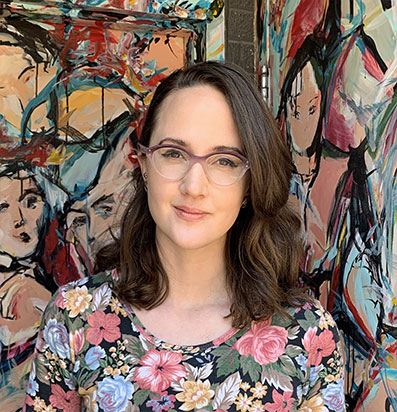
Cressida Frey
MSW, RSW (she/her) Registered Social WorkerAreas of focus:
- Children, Adolescents and Adults
- Violence, Trauma and Healing
- Stress and Anxiety

Derek Cassidy
MSW, RSW
(he/him/they/them)
Registered Social Worker
Areas of focus:
- Relationships and Attachment
- Complex, Relational Trauma
- Sexuality and Sexual Health
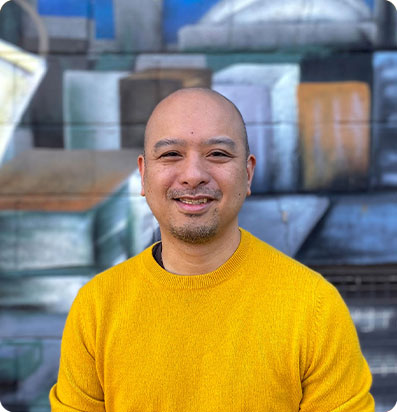
Jesmen Mendoza
C.Psych. (he/him) Adjunct PsychologistAreas of focus:
- Complex Mental Health
- Consultation

Jett Peters
MSW Candidate
(they/them)
Student Therapist
Areas of focus:
- Gender Identity
- Relationship(s) with Food & Body
- Trauma

Kathryn Bargis
MSc, RP (she/her) Registered PsychotherapistAreas of focus:
- Relationships
- Trauma
- Gender and Sexual Identity

Maxine Bower
MSW, RSW (she/her) Registered Social WorkerAreas of focus:
- Attachment in Individuals and in Relationships
- Complex Trauma
- Deepening Connections

Nicholas Sorg
MSc, RP
(he/him)
Registered Psychotherapist
Areas of focus:
- Stress, Anxiety, and Depression
- Sexual Identity Development
- Alternative Relationships, Relationship and Family Stress

Rae Griffin-Carlson
MSW, RSW
(she/her)
Registered Social Worker
Areas of focus:
- 2SLGBTQIA+ Youth & Adults
- Stress, Anxiety & Depression
- Sexual & Gender-based Violence

Rahim Thawer
MSW, RSW
(he/him)
External Clinical Supervisor
Areas of focus:
- Identity Conflict & Shame
- Dating, Relationships, Single by Chance/Choice
- Sexualized Substance Use

Saadia Khan
BA (they/them) Administrative and Social Media Assistant
Stephanie Wu
RP, Professional Art Therapist
(they/them)
Registered Psychotherapist
Areas of focus:
- Intimate Partner Violence, Sexual Assault & Childhood Abuse
- Impacts of Oppression
- 2SLGBTQIA+ Youth & Adults